
Volcano Camping – Tips and Top Destinations
The open road stretched out ahead, dust kicking up under the tyres as I pointed the car toward places where the earth still feels alive, where the ground hums with secrets from a time before any of us. Volcano camping is not only about just pitching a tent somewhere hot and rocky; this is the chase of the raw pulse of the planet, sleeping where molten history shaped the land.

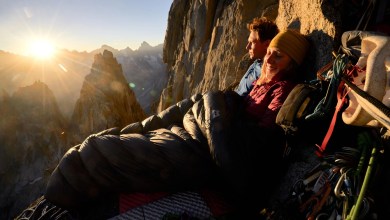
I’ve been lucky enough to set up camp near some of the world’s wildest volcanoes, and let me tell you, it’s a different kind of thrill. No fancy hotels, no Wi-Fi, just you, a sleeping bag, and a direct door to nature’s oldest story. Here’s my take on what makes a volcanic camp worth the trek, a few practical pointers from my missteps, and a handful of spots that’ll stick with you long after you’ve unpacked from this remarkable trip.

Why Volcano Camping Feels Like Nothing Else
My first taste of camping near volcanoes was pure chance. A mate dragged me along to a spot in Washington, promising it’d be “pretty cool.” Understatement of the century. Standing on a Volcano Rim, looking into a crater that’s seen eruptions reshape entire valleys, you feel small in the best in front of something so massive as this.

The air smells different, sharp with minerals, and at night, the stars seem closer, like they’re keeping an eye on the sleeping giant below you. Not necessarily a campsite; it’s a volcano adventure camp, where every hike, every gust of wind, reminds you the ground’s got a heartbeat.
But it’s not all romantic stargazing — volcanoes are tricky beasts. The weather can flip faster than you can zip up your tent, and the terrain’s rarely forgiving. I learned that the hard way when I underestimated a Crater Rim Trail and ended up with blisters that could tell their own story.
- So, here’s the deal, plan ahead, pack smart, and respect the land. It’s worth every bit of effort.

Tips to Nail Your Volcano Camping Trip
Over a few trips, I’ve picked up some tricks that make volcano crater camping less of a gamble and more of a good time. Here’s what I wish I’d known from the start:
- Check the volcano’s mood: Some volcanoes are active, others dormant, but all can be unpredictable. I always poke around online for recent activity reports before I go. Nobody wants to be that guy scrambling away from a surprise puff of ash.
- Layer up: Volcanic areas are moody. Mornings can be freezing, afternoons roasting, and nights? Bring a proper sleeping bag. I got caught out once in just a hoodie and spent the rest of the night shivering.
- Boots over trainers: Rocky trails and loose ash are no joke. Decent hiking boots saved my ankles on a Volcano rim hike that turned into a scramble. Trainers might look cooler, but they’ll betray you.

- Water is your mate: Volcanoes aren’t known for babbling brooks. I carry at least three litres per day, more if I’m hiking. A filter’s handy if there’s a stream, but don’t bank on it.
- Know the rules: Some places need permits, especially for summit hikes or backcountry camping. I got turned back once for not having one and it was a huge disappointment. Check local regulations early.

- Pack light, but not too light: A tent that can handle wind is non-negotiable. Volcanic areas love a good gust. But don’t haul your entire kitchen; a compact stove and some freeze-dried meals would do the job.
- Getting there cheap: Flights are usually the big hit to the wallet, so I hunt for deals on budget airlines or use fare comparison sites. Once you’re local, public buses or shared shuttles beat renting a car if you’re on a tight budget. For remote spots, joining a group tour can split costs. Plus, you get a guide who knows the trails.

My Favourite Volcano Camping Spots
I’ve pitched tents in a few places that left me proper gobsmacked, and these are the ones I’d tell anyone to add to their list for a proper tourism volcano experience.
Tongariro National Park, New Zealand
New Zealand’s North Island feels like another planet, and Tongariro’s where I fell in love with volcano camping. The Emerald Lakes sparkled below Mount Ngauruhoe. Yep, the one that played Mount Doom in Lord of the Rings. I hiked the Tongariro Alpine Crossing, a solid 19-kilometre slog with views of active craters and steaming vents.

Camping near Whakapapa Village was my base, a no-frills site with just enough flat ground to keep the tent steady. At night, the air was so crisp you could hear the volcano breathing, or maybe that was just my imagination.
- Getting there: Fly into Auckland, then grab a bus to Taupo. It’s cheap if you book early, about USD 27 one way. From there, shuttles run to Whakapapa for under a tenner. Total travel time’s around five hours, but the views make it fly by.
- Pro tip: The crossing’s busy, so start at dawn. And don’t skip the side trail to Ngauruhoe’s summit if you’re up for it.

Mount Etna, Sicily
Sicily’s Mount Etna is a beast of a volcano, still grumbling and puffing smoke like it’s got something to say. I camped at a site near Rifugio Sapienza, waking up to a view of the crater against a pink sky. The Volcano Rim hike to the southeast crater was intense with ash crunching underfoot, the air thick with sulphur.

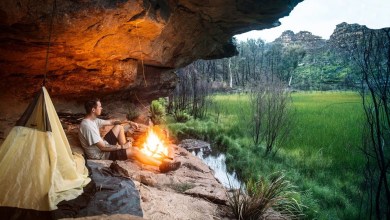
I joined a guided group, which was smart since the trails can get disorienting. At night, we swapped stories around a fire, half-expecting Etna to join the conversation with a rumble.
- Getting there: Catania’s the closest airport, with budget flights from mainland Europe for as low as USD 40 if you’re flexible. From Catania, a daily bus to Rifugio Sapienza costs about USD 6, and takes an hour. Renting a scooter’s another cheap option if you’re feeling adventurous.
- Pro tip: Guided tours aren’t cheap, but they’re worth it for safety. Bring a scarf to wrap around your face because ash gets everywhere.

Pacaya Volcano, Guatemala
Pacaya’s where I learned to love volcanic camp life in Central America. It’s active enough to keep you on your toes but accessible for most hikers. The trail up was sweaty, but roasting marshmallows over a lava-heated rock? Absolute magic. I camped at a basic site near the base, nothing fancy, just a patch of dirt and a killer view of glowing red fissures at dusk. The locals running the tours were legends, full of stories about Pacaya’s moods.
- Getting there: Fly into Guatemala City, where budget carriers can land you for USD 263 from the States if you book ahead. A shared shuttle from Antigua to Pacaya’s trailhead is dirt cheap costing around USD 14 round trip and takes about an hour.
- Pro tip: Pack a headtorch. The descent can get dark fast, and you don’t want to be tripping over lava rocks.


A Few More Gems for Volcano Chasers
I couldn’t stop at just three. Here’s a quick rundown of other spots that deserve a shout for camping near volcanoes.
- Villarica Volcano, Chile: Pucón’s the gateway, with campsites that let you stare up at Villarica’s snowy cone. The summit hike’s a beast, but sliding back down on a sledge? Pure joy. Buses from Santiago are the cheapest way in, and costs about USD 15 for a nine-hour ride.
- Mount Fuji, Japan: Fuji’s more than a postcard. Camping at Lake Kawaguchi gives you that iconic view, and the trails to the Volcano Rim are packed with history. Bullet trains from Tokyo are pricey, but overnight buses cost around USD 27 and take six hours.
- Eyjafjallajökull, Iceland: This one’s a mouthful to say, but the campsites near Skógar are unreal, with waterfalls as your neighbours. The hike to the crater’s a slog, but the solitude’s worth it. Reykjavik’s two hours away by bus, about USD 33 one way.
Exploring Other Volcanic Wonders
While I’ve got your attention, let’s talk about a few more places that deserve a spot on any volcano camper’s radar. These are less about the big-name peaks and more about the quieter corners where the earth’s story still feels fresh. Here’s where I’ve been, might spark your next trip.
Mt St Helens camping
Washington’s Mount St Helens is a humbling place. I stayed at a site near Cougar, a short drive from the Ape Caves—massive lava tubes you can wander through with a torch. The Crater Rim Trail was closed for repairs when I went, but the viewpoints along Spirit Lake Highway had me glued to my camera.

- Getting there: Seattle’s the hub, with flights from major cities often under USD 132 if you snag a deal. A bus to Castle Rock plus a shared taxi to Cougar runs about USD 40 total. Takes around three hours.

Sunset Crater camping
Arizona’s Sunset Crater feels like walking on the moon. I camped at Bonito Campground, surrounded by pine trees and black cinder fields. The Lava Flow Trail was a quick loop, perfect for a lazy afternoon. Sunset Crater National Monument camping is basic but peaceful — just you and the stars.

- Getting there: Fly to Phoenix, then a USD 20 bus to Flagstaff. Rent a bike for the last 20 miles to Bonito. It’s flat and costs less than a car.

Camping Mauna Kea
Hawaii’s Mauna Kea isn’t your typical volcano camp. I pitched at a high-altitude site near the visitor centre, freezing my toes off but loving every second of the stargazing. The summit’s sacred, so stick to designated areas.

- Getting there: Hilo’s airport has flights from Honolulu for USD 60 if you’re lucky. Public shuttles to the visitor centre are spotty, so I hitched a ride with a tour group for USD 27.

Newberry Crater camping
Oregon’s Newberry Caldera is a hidden gem. I camped by East Lake, kayaking at sunrise and hiking the Obsidian Flow Trail by noon. The hot springs nearby were a bonus.

- Getting there: Bend’s a USD 14 bus ride from Portland, then a shared shuttle to the crater for another USD 20. About four hours total.

Camping Haleakala Crater
Maui’s Haleakala was a bucket-list trip. I backpacked to Hōlua Campground, a tough 4-mile hike from the summit. Sleeping inside the crater felt otherworldly, with fog rolling in like a ghost.
- Getting there: Kahului’s airport is your entry, with flights from the mainland around USD 198 on a good day. A bus to the park entrance is USD 7, but you’ll need to hitch or hike the last bit so budget about two hours.

Final Thoughts
Volcano camping being more than just a holiday; is a chance to feel the earth’s pulse under your feet, to sleep where history was written in fire and ash. From New Zealand’s glowing lakes to Sicily’s smoky trails, every volcano adventure camp I’ve tried has left me a little changed; humbler, maybe, and definitely hungrier for the next one. Pick a spot, pack your gear, and go chase that heat. Just don’t forget the boots.
What is volcano rim camping?
Volcano rim camping is a type of camping where people set up tents on the edge of a volcano. It allows campers to study the volcanic behavior while they enjoy beautiful views around the volcano.
Is volcano rim camping safe?
Yes, volcano rim camping can be safe, but it is important to stay informed about the volcano’s activity. Always follow the guidance of local authorities and park rangers to ensure your safety.
What should I bring for volcano rim camping?
For volcano rim camping, you should bring a tent, sleeping bag, food, water, and proper clothing for the weather. Also, remember to pack a first aid kit and any camping gear you may need.
Can I have a campfire while volcano rim camping?
Campfire rules depend on the specific area you are camping in. Some places may allow campfires while others may not, due to safety regulations. Always check the local rules before starting a fire.
Are there age restrictions for volcano rim camping?
There are usually no strict age limits for volcano rim camping. However, it is best for children to go with an adult. Parents should make sure that younger campers can handle the camping conditions.