





Sri Lanka Vs Bali — do you also think that Bali is the ultimate tropical island? Well… think again! Yes, yes, we have heard all about Bali’s pretty beaches and rich forests—but have you ever come across wild leopards at a national park, or stood there on a bridge as a train speeds past you? No? In that case, welcome to Sri Lanka: Asia’s tropical paradise!
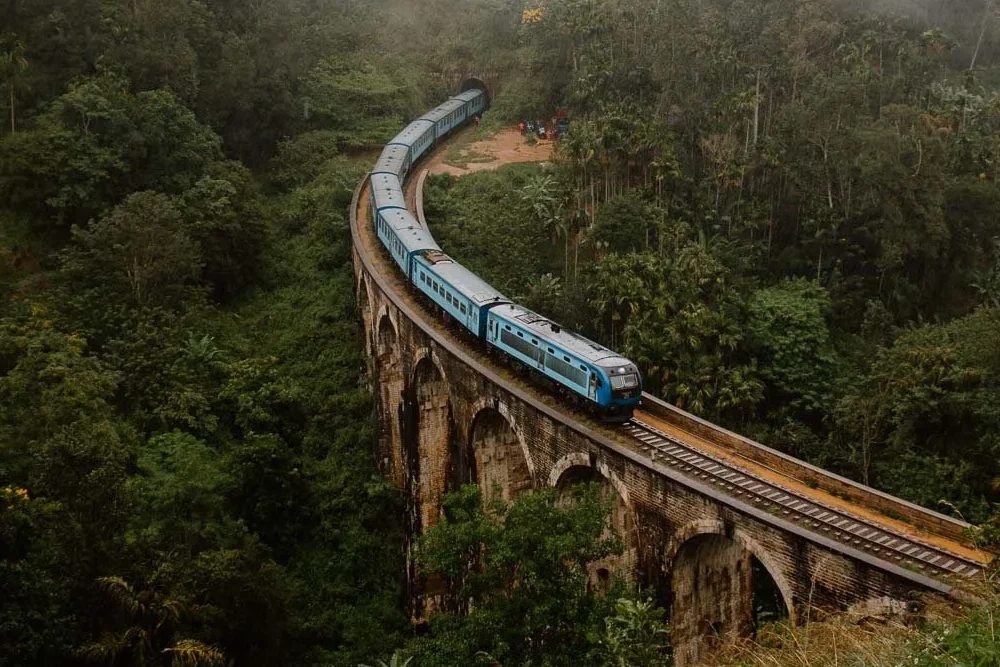
Sri Lanka, the pearl of the Indian Ocean, is known for its endless beaches, the hospitality of its people, the flavourful dishes that pack a punch, the timeless ruins, the amazing wildlife, the affordable prices, and the tropical climate. Sri Lanka, to me, is a place where I could experience even the most simplest of things, and still disconnect from reality, embracing the island life like a true islander.
Sri Lanka vs Bali Which is Better?
Recently, Sri Lanka had been labelled as Bali 2.0. This led to further discussions over social media on which is better, Sri Lanka or Bali. These discussions also addressed other areas like—is Sri Lanka the new Bali? Is Sri Lanka cleaner than Bali? Do I go to Sri Lanka or Bali for holiday? What is better than Bali—is it Sri Lanka? And the list goes on…
But, the way I see it, just like Malik Fernando (the son of Merrill J. Fernando, the founder of Dilmah Ceylon tea company), had commented on this ‘Bali Vs Sri Lanka’ topic, Sri Lanka is much larger, and offers way more experiences in comparison to Bali. Sri Lanka and Bali have got their own similarities, like the hospitable and friendly people, but Bali, in many ways, happens to be overdeveloped—a path not to be followed by Sri Lanka.
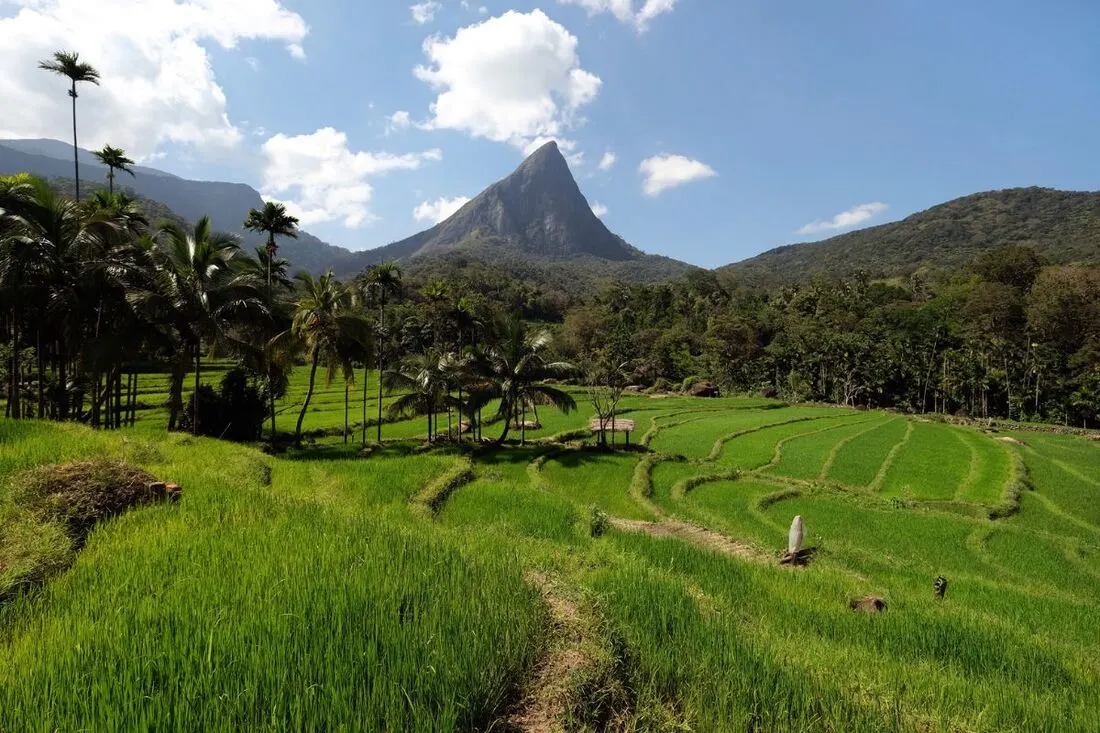
Sri Lanka vs Bali Tourism
Yes, Sri Lanka and Bali have got a few things in common, like the tropical vibe and the beaches mainly. But the two islands have their own differences—let’s find out what they are!
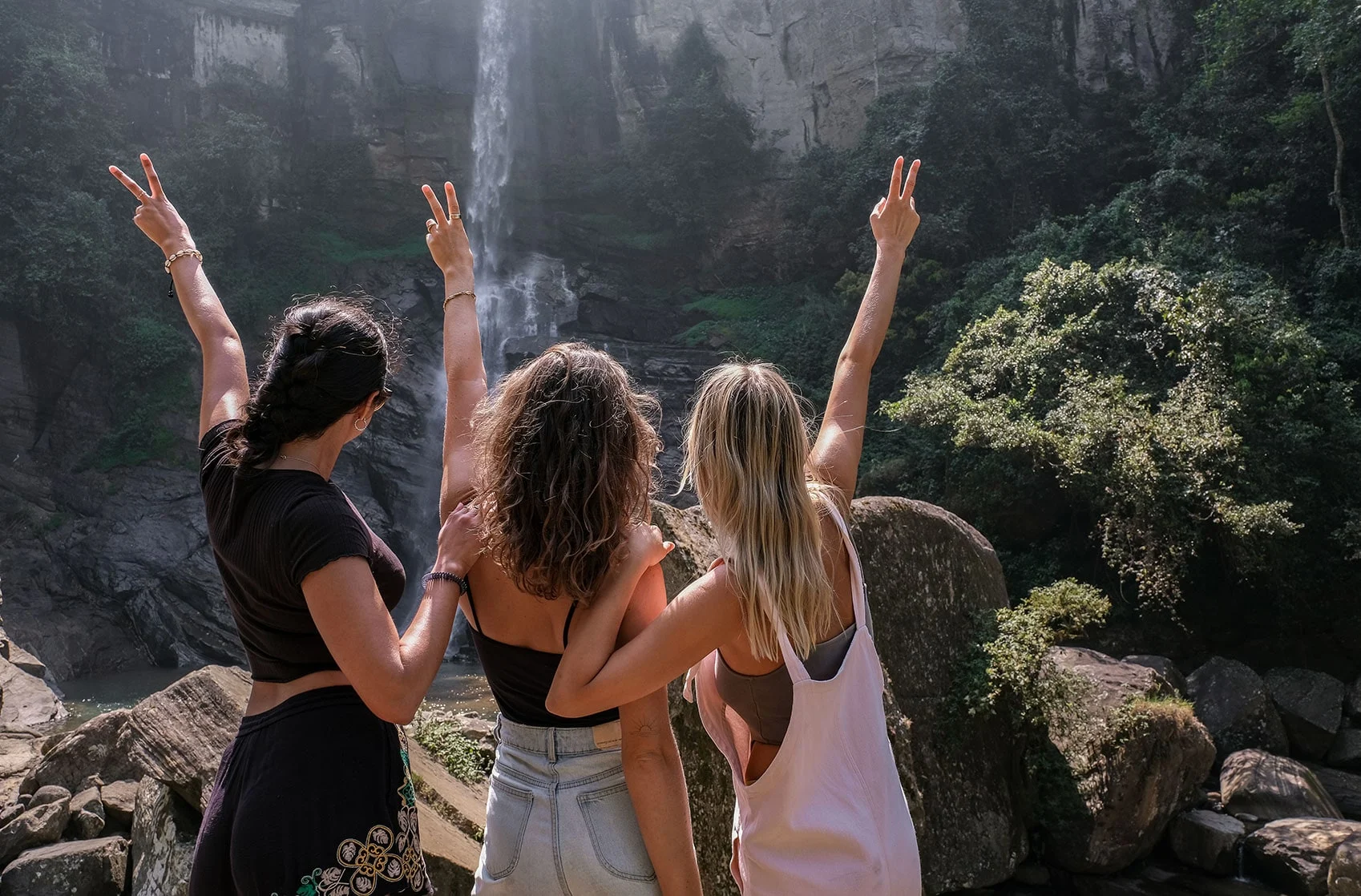
Why do tourists love Bali?
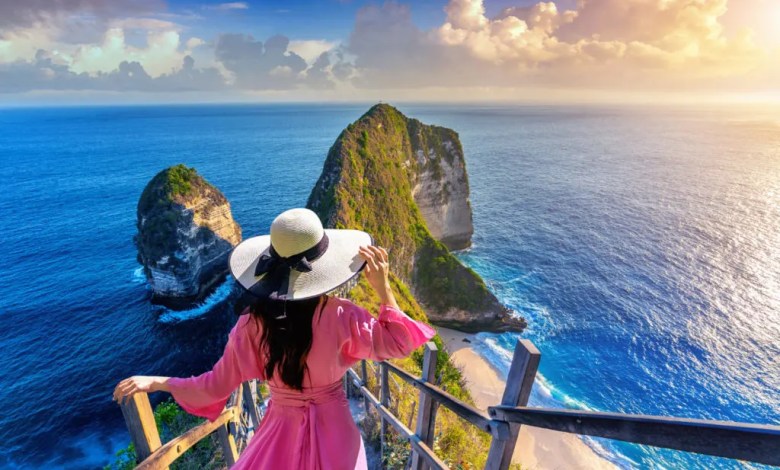
Bali has been a major tourist attraction for as long as I can remember. The Boho cafes, the luxury villas, the stunning beaches, and the tropical climate, all contribute to Bali being the popular destination that it is today, and has been for years. Between 1968 to 1983, tourism in Bali expanded in large numbers, owing to the number of surfers who began to visit the island. Having soon turned into a surfing hotspot, it also started attracting social media influencers and content creators from different parts of the world, thereby promoting the island to people everywhere, every day. The Balinese culture is very tourist-friendly, and of course, the natives are known to be very hospitable and friendly as mentioned before.

Bali is a busy island owing to them being labelled as the best travel destination in the world. Its known for the pretty beaches, the rice terraces, and even volcano treks, but that’s about everything it offers in terms of nature diversity. Of course you might spot a few monkeys and pretty birds, but there isn’t much else to see in terms of wildlife either. Needless to say, the surf scene is spot on, although the beaches often tend to be crowded. However, Bali is highly developed, offers a variety of food (tailored for tourists), and offers a laid-back and trendy vibe with Instagram-ready vibes all around you.
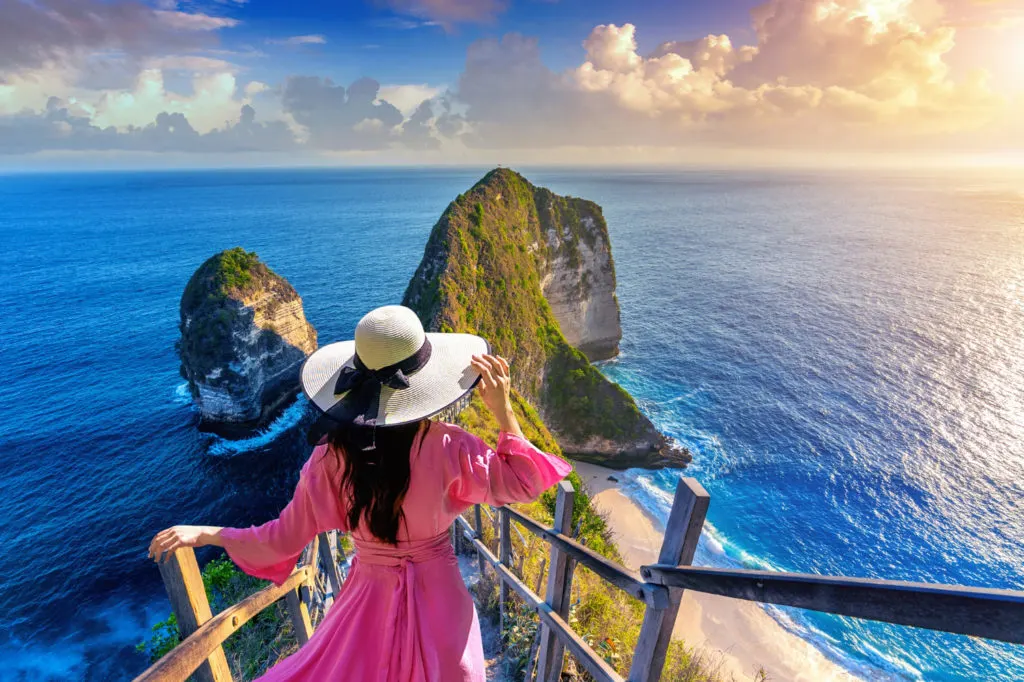
How is Sri Lanka better than Bali?
While I believe that Sri Lanka and Bali should not be compared with each other, it is my personal belief that Sri Lanka is better in more ways than one. Why?
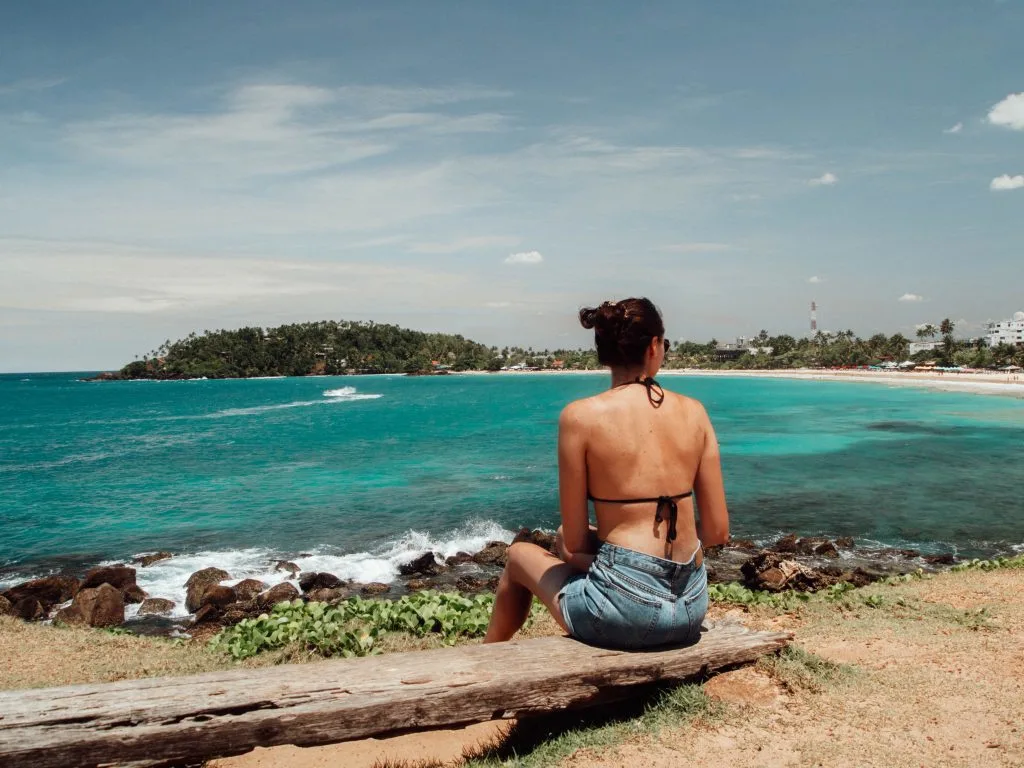
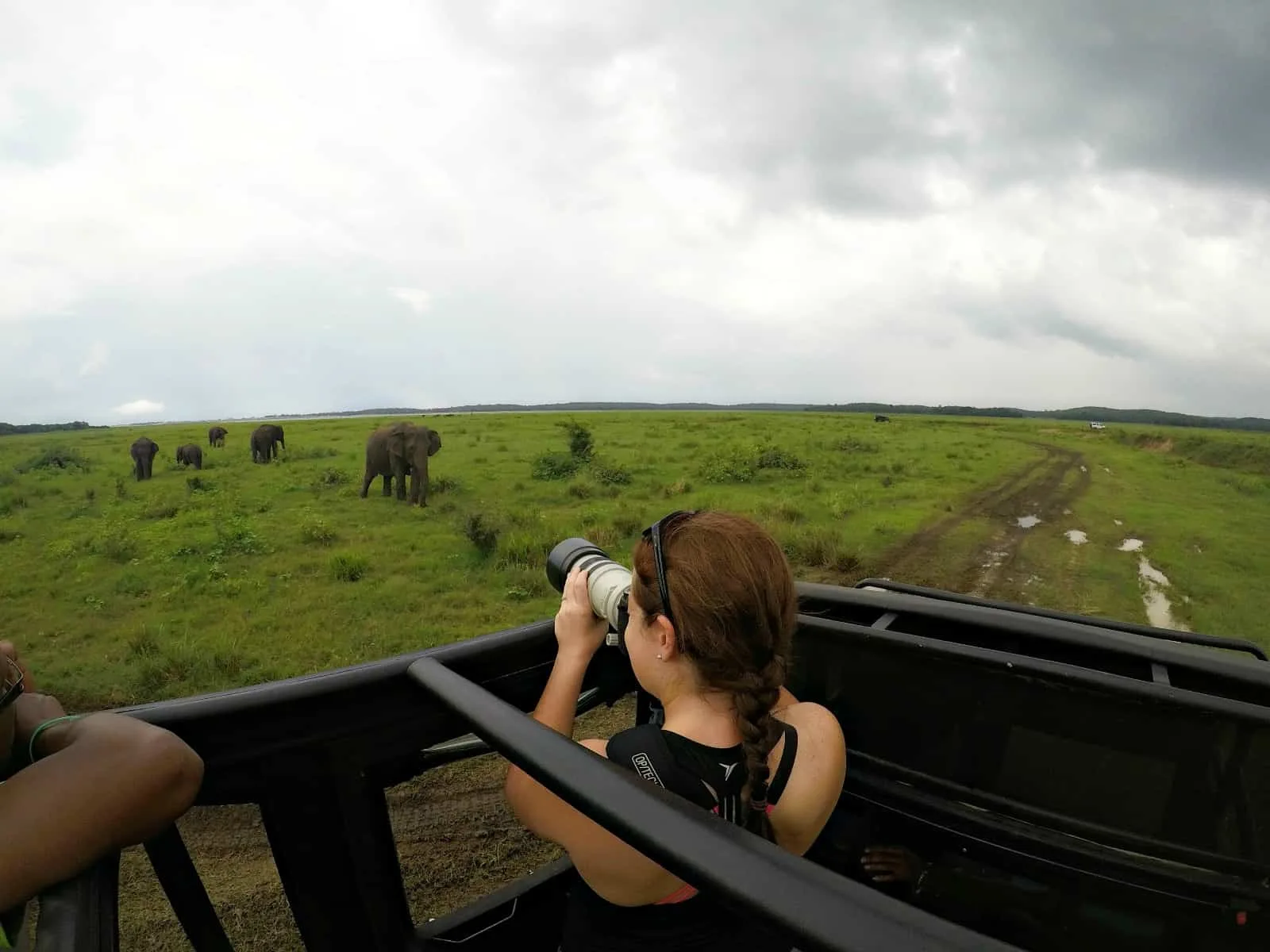
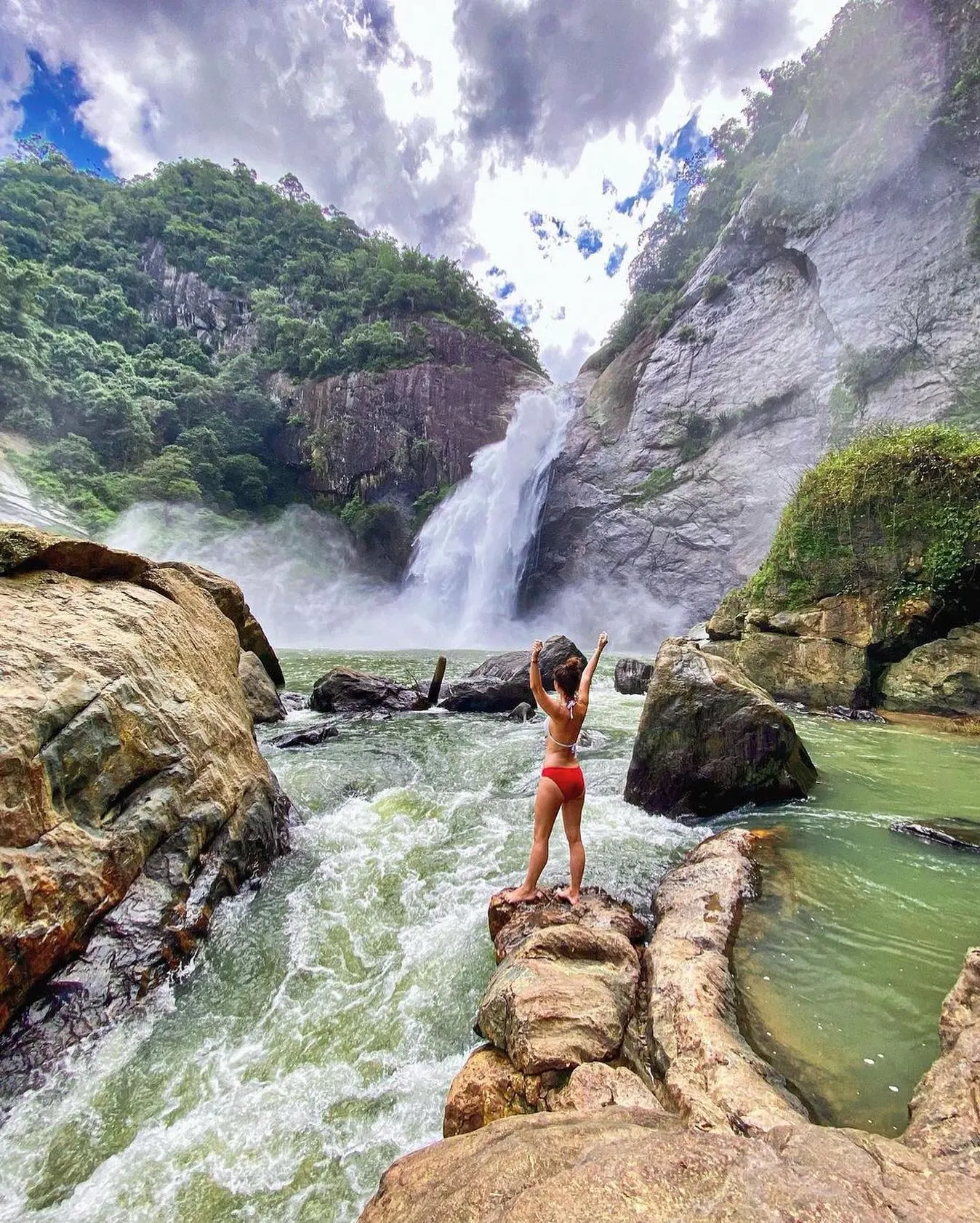
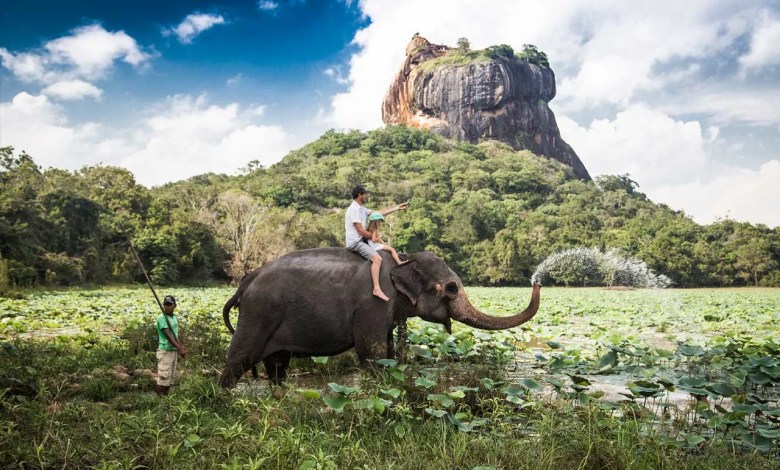
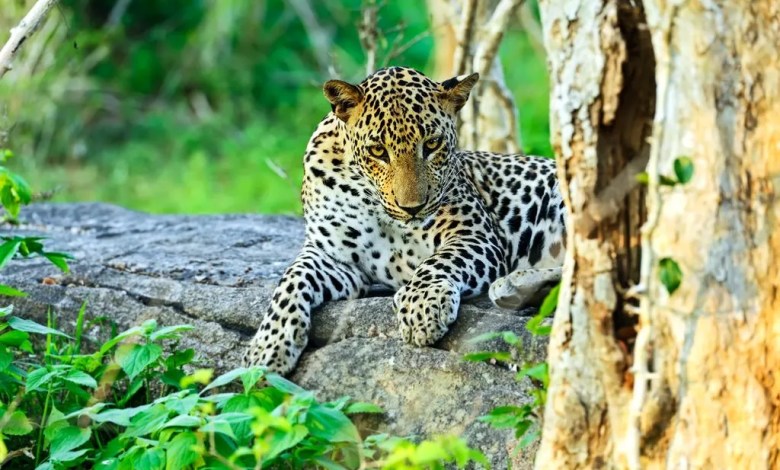
Well, first of all, Sri Lanka is less crowded in comparison to Bali, which is packed with tourists in every nook and corner. This means that while in Sri Lanka, you can expect a much more relaxed, peaceful, and soothing experience. And the best part is, here it’s not just about the beaches! Apart from being known for its beautiful beaches, Sri Lanka is also known for its rainforests, tea plantations, mountains, waterfalls, national parks, and the unbelievably diversified range of wildlife that it provides shelter to. This includes elephants, monkeys, peacocks, whales, sloth bears, wild board, LEOPARDS, and so much more, we could talk about this for days if not weeks.
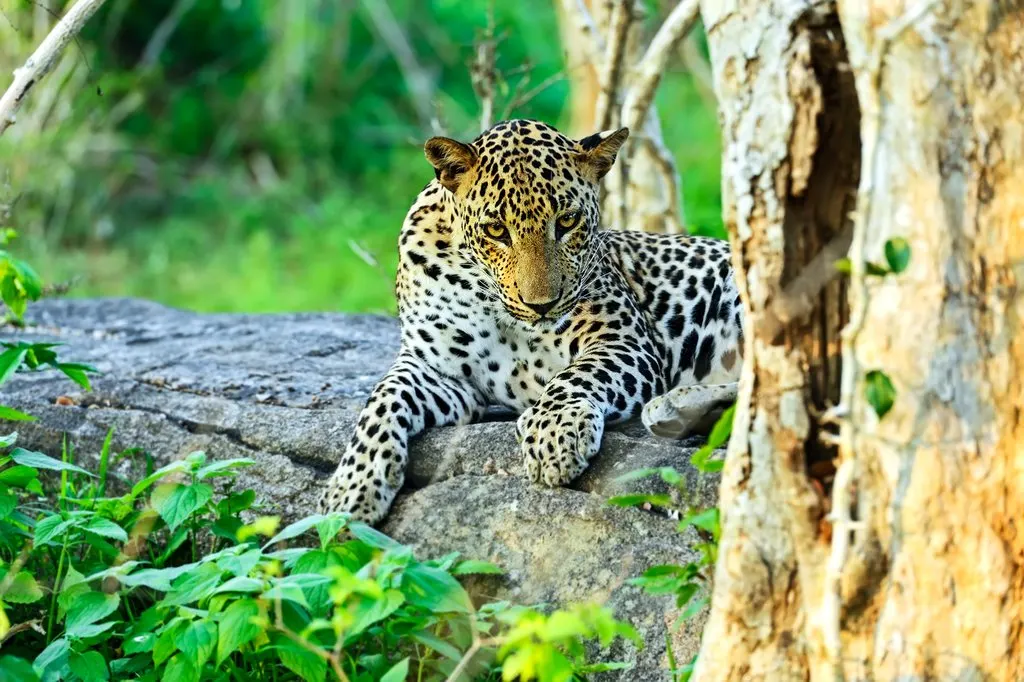
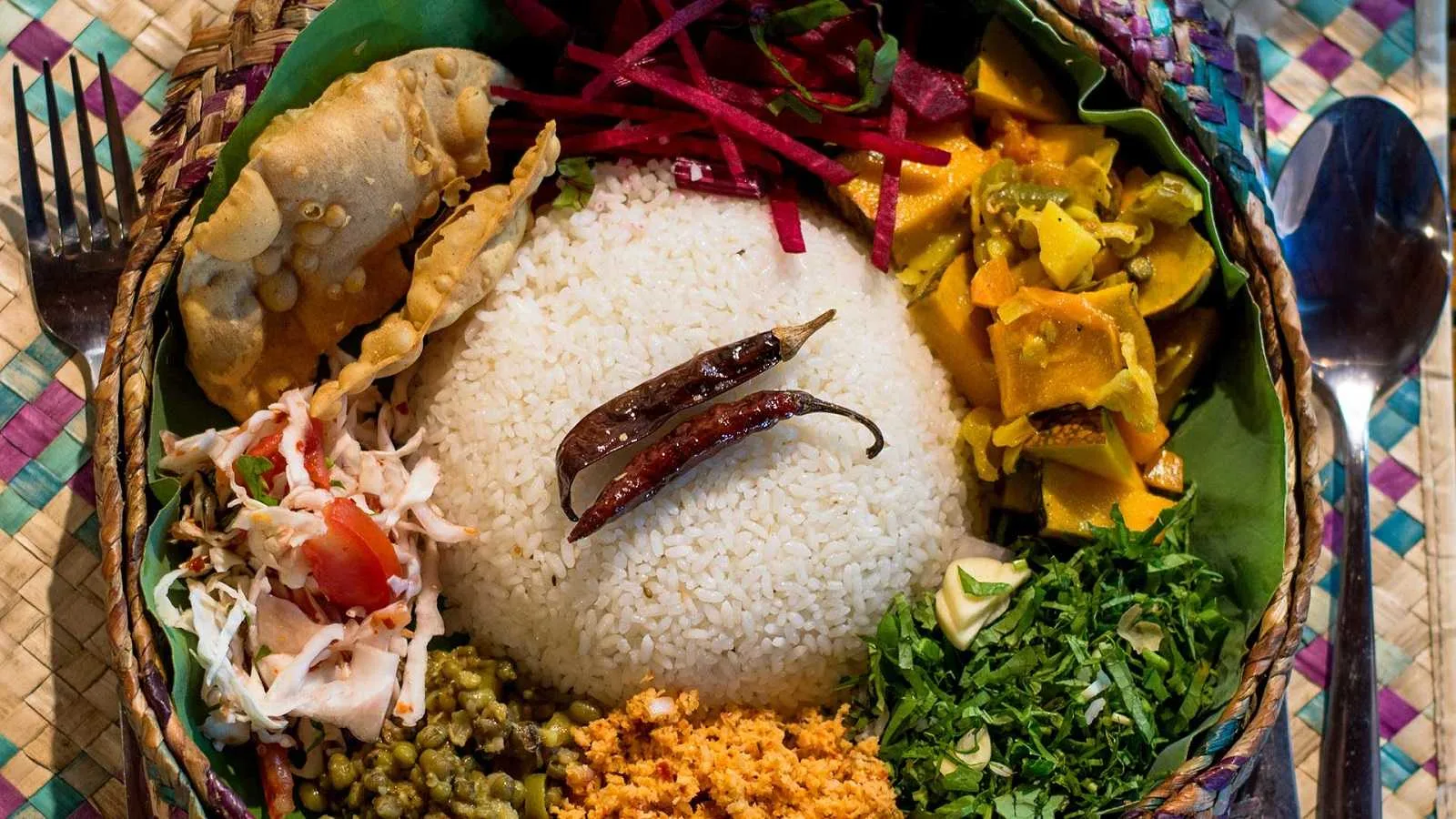
If you’re looking to travel back in time, then you can visit the ancient kingdoms, the temples, both man-made and natural sites, and even UNESCO heritage sites like Sigiriya. And like Bali, even Sri Lanka offers world-class waves for surfing (Arugam Bay is famous for surfing), but unlike Bali, the beaches are less crowded. The culture remains natural and untouched, and the traditions remain the same. And of course, my favourite part—the food! Sri Lankan food is known to be so very flavorful, and these traditional meals are prepared with much care and love—a love for sharing a piece of this beautiful island with anyone who lands on it.
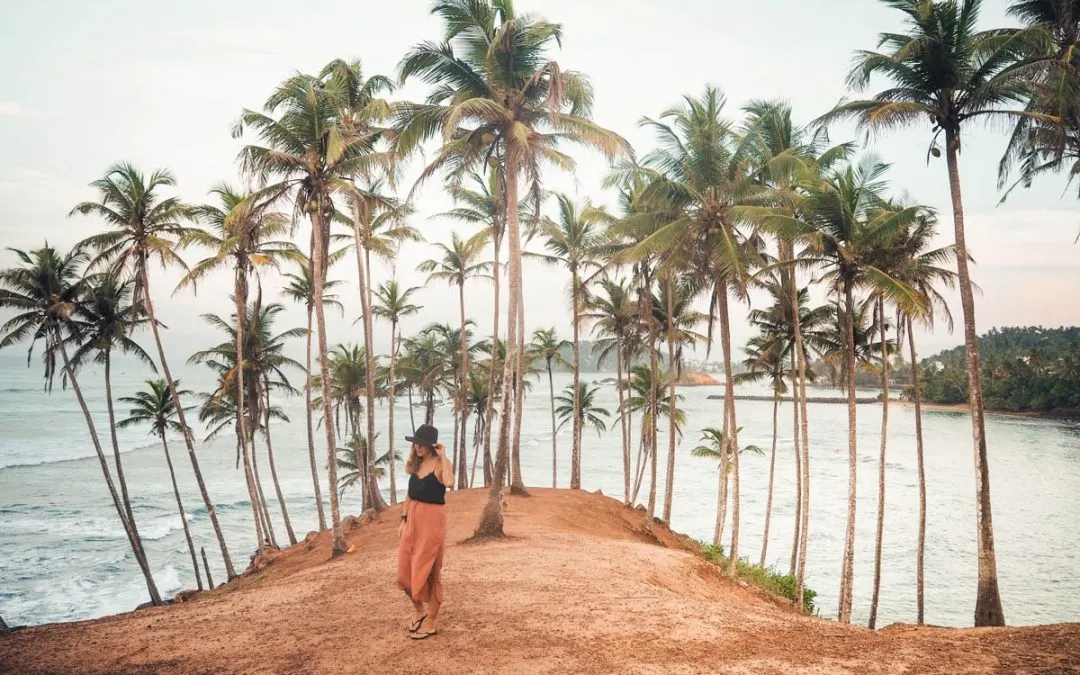
So, Which is It? Sri Lanka or Bali?
Is the Sri Lanka new Bali label accurate? Well, I would disagree. Sri Lanka is its own destination and so is Bali. But if I had to choose one out of the two from this Sri Lanka vs Bali battle, I’d certainly go with Sri Lanka. Am I being biased? Not really!
I like Sri Lanka better because of its nature diversity. If I’m in the mood to spend some time relaxing on the beach, I could do it If I want to enjoy a hike on a heritage site or a rainforest, I could do it. If I want to go on a wildlife safari, I could do it. In fact, I could do it all with a much more soothing backdrop and not a busy and crowded one. So I guess it is clear as day, that to me, Sri Lanka is comparatively better. But of course, what you prefer is up to you especially now that you know some of the pros and cons of Bali.
As for me, there is no way I’m turning down a sweet, sour, and spicy rice and curry meal in Sri Lanka—chef’s kiss!