Maasai to San: Top Indigenous Tours of Africa’s Deep-rooted Cultures

Alright, so I’ve just come back from this wild, eye-opening trip across Africa, chasing down some of the coolest Indigenous Tours you could ever dream of. I’m talking about getting up close with tribes that have been living their way for thousands of years, totally unbothered by the blah blah of the modern world.

From the Maasai in East Africa to the San down south, I’ve got stories to spill, and trust me, they’re worth hearing. Nope, not a dry history lesson and I’m no historian. It’s me, boots on the ground, living in every second of these African tribes and culture. Ready to walk with me on my experience with Indigenous tours? Well don’t just stand there, let’s walk!

Indigenous Tours of The Masaai
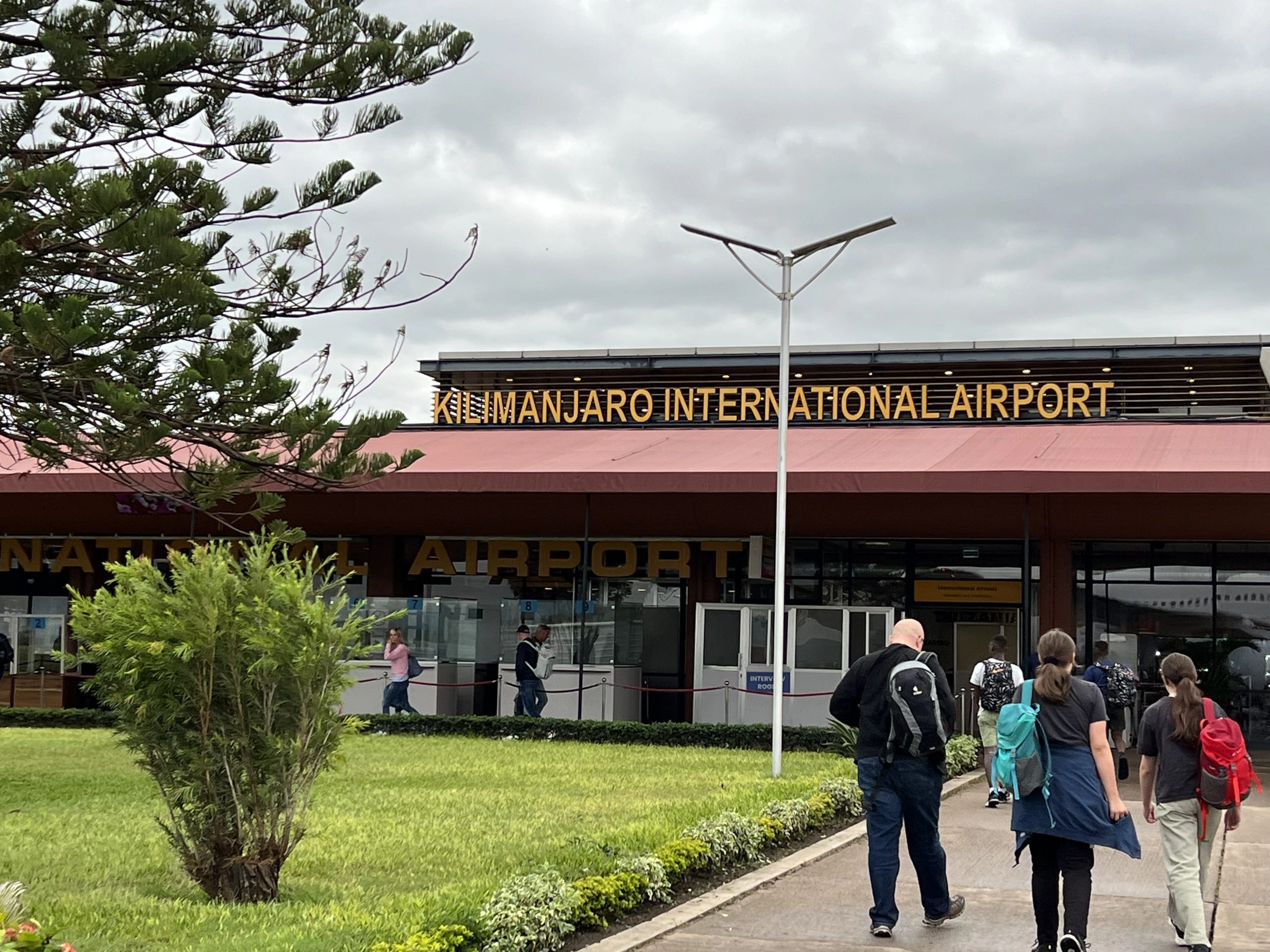
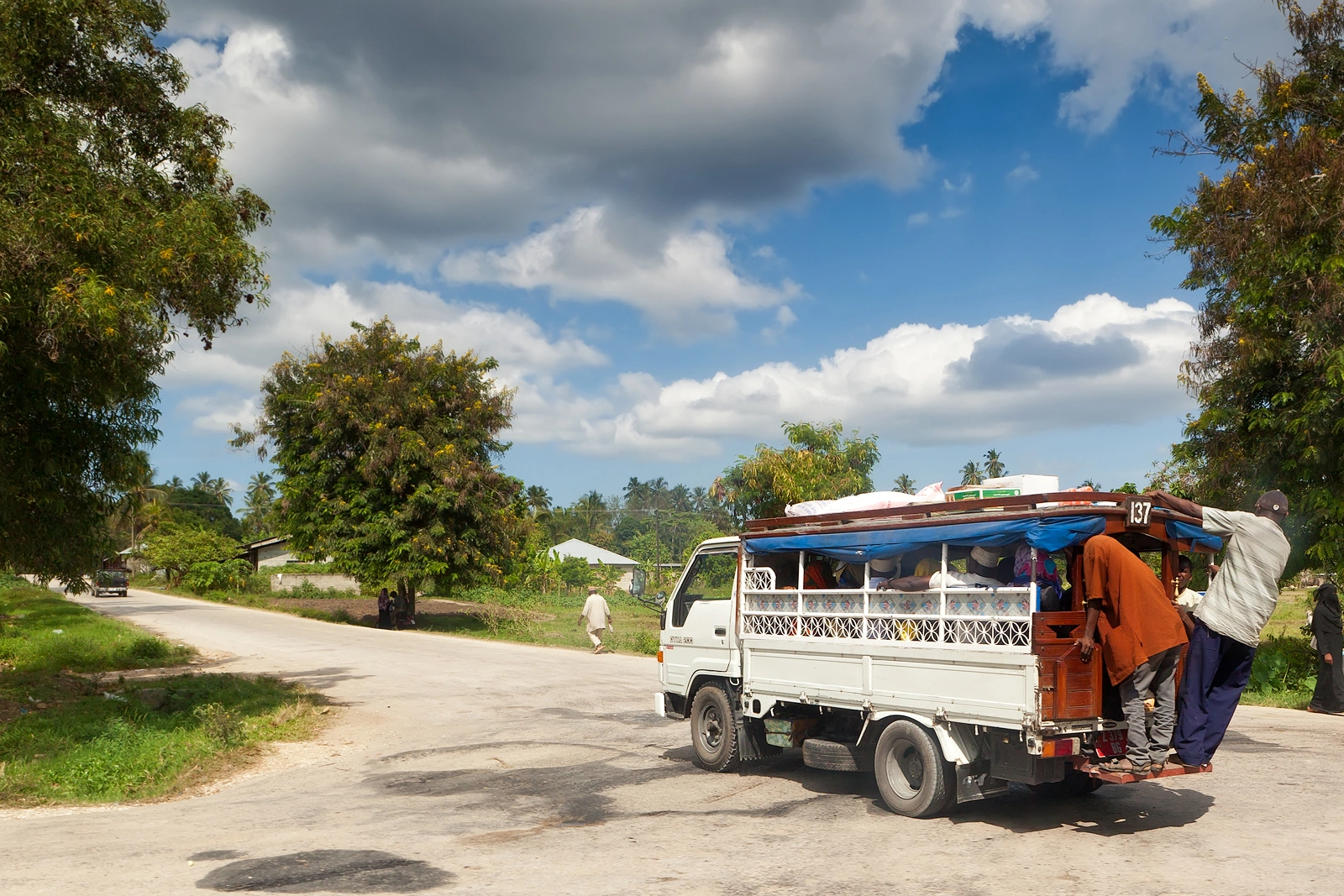
First stop: the Maasai. These guys are legends, no question. I landed in Tanzania, near the Ngorongoro Crater, after a bumpy flight into Kilimanjaro International Airport. From there, it was a dusty ride in a beat-up 4×4 with a driver who knew every twist of the savanna. The cheapest way to roll? Hitch a ride on a local minibus called a ‘dala dala’ from Arusha. It’s cramped, hot, and you might share a seat with a chicken, but it’s dirt cheap, like a couple bucks for a few hours.
- Did you know? Landing in Kilimanjaro Airport is the best way to climb Mt. Kilimanjaro? Worry not, it’s a dormant volcano. But there are people who camp close to volcanoes. Click to read more!
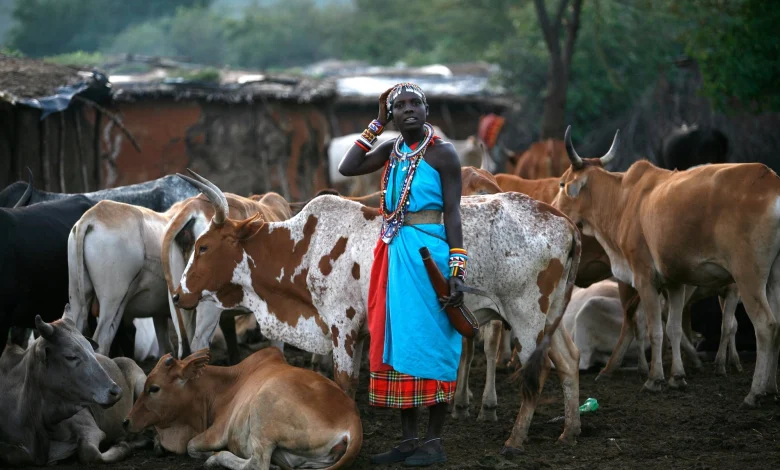
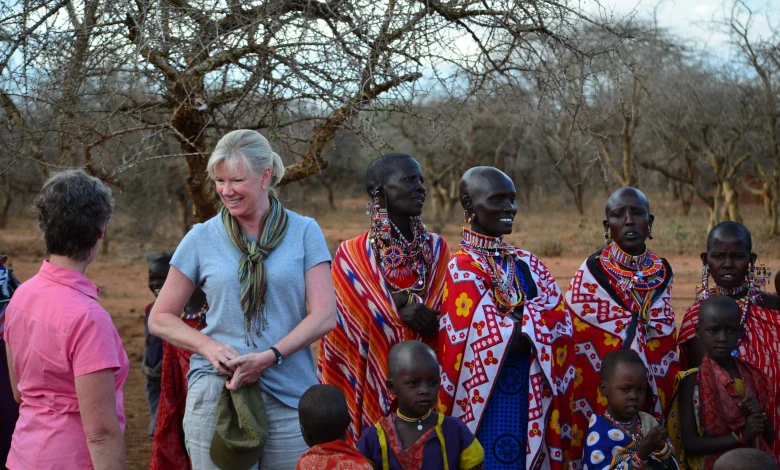
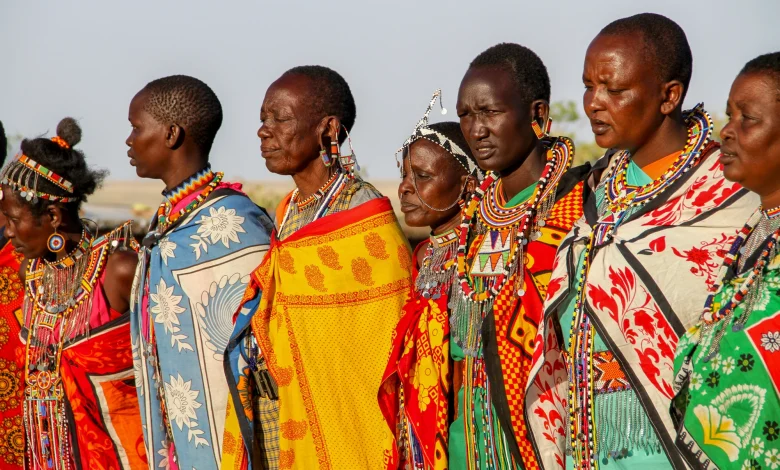
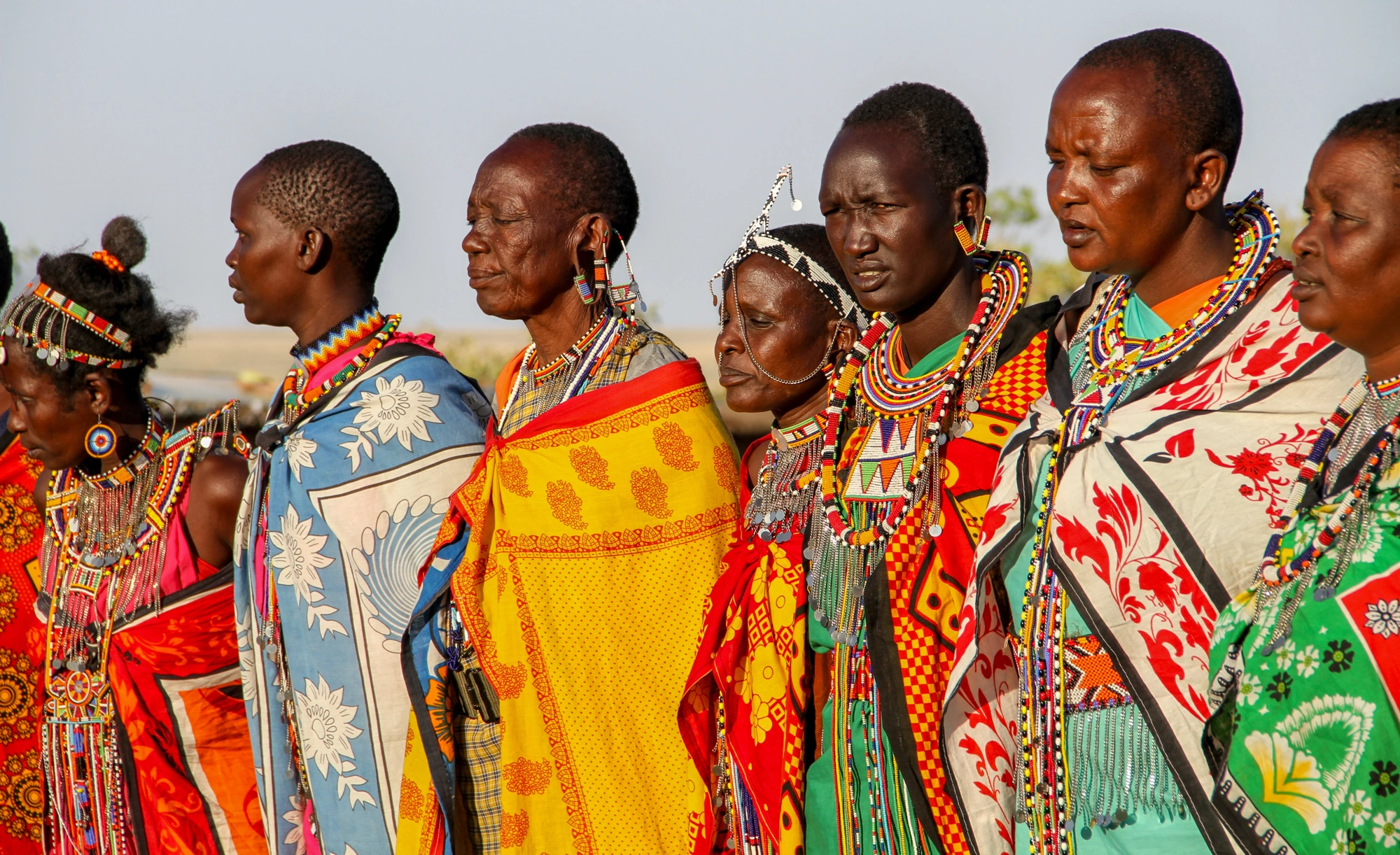
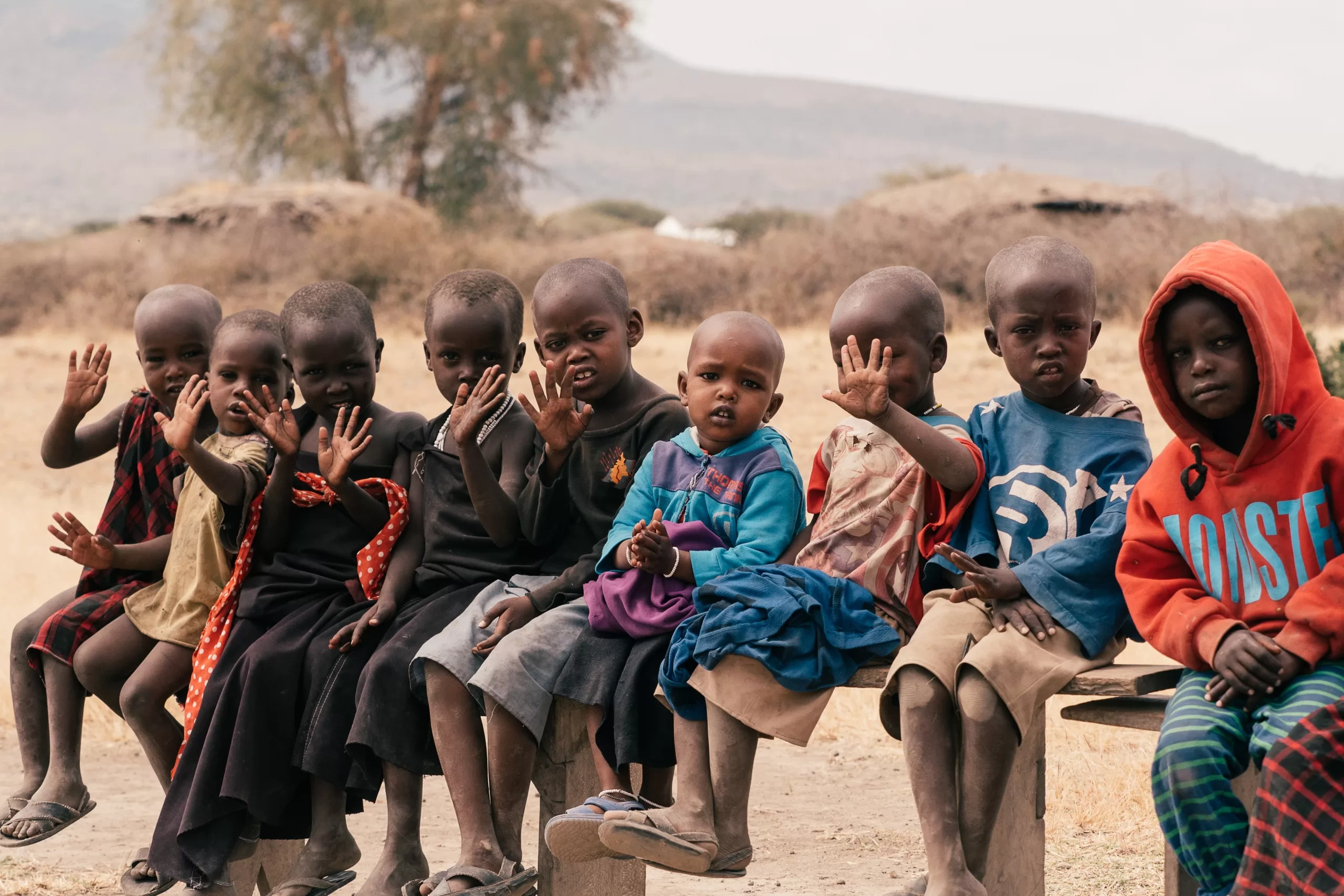
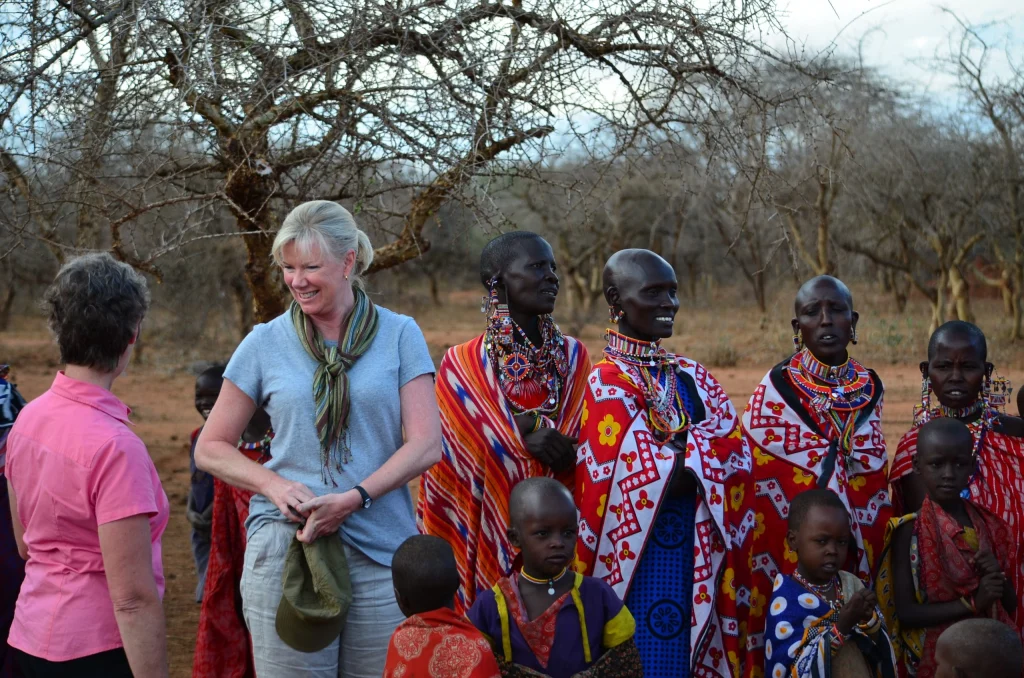
Anyway, when I got to the Maasai village, I was hit with this warm wave of red. Everyone’s wrapped in these bright robes, and the energy is electric. They welcomed me with songs, deep and rhythmic, and I couldn’t help but bob my head along. It slightly reminded me of my sound healing journey, but this was way different and fun to vibe to.
The Masaai way
Now, the Maasai are all about their cattle as it’s their lifeblood. I got to tag along for a day of Maasai tribe hunting, but it’s not what you would have known. They don’t hunt animals for sport; they’re after meat only when they need it. Most of the time, they’re herding, protecting their cows from lions and hyenas.
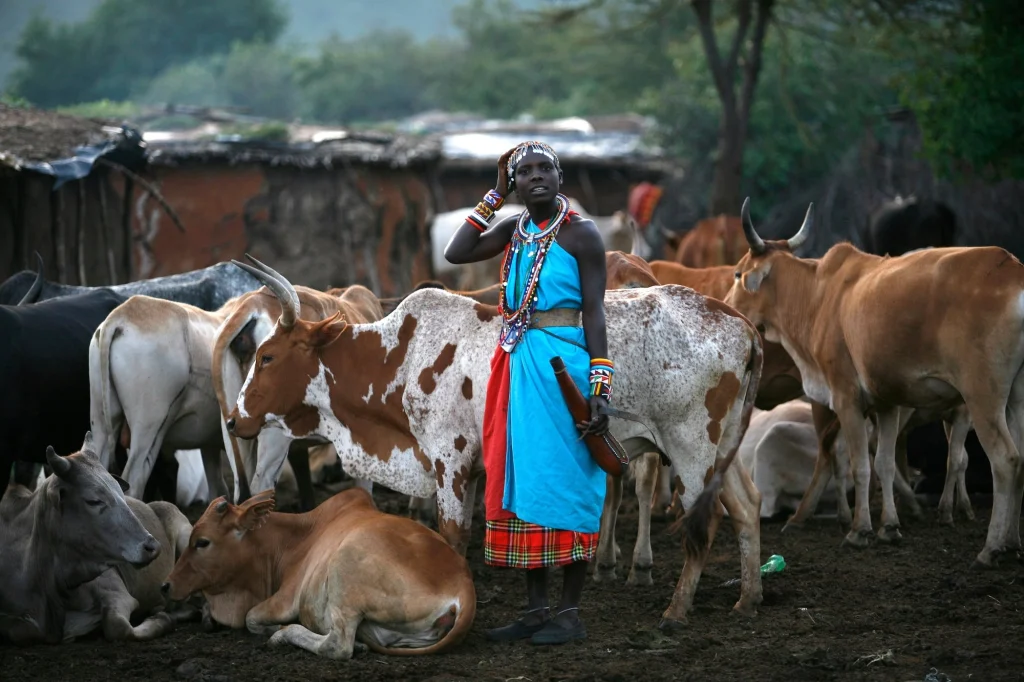

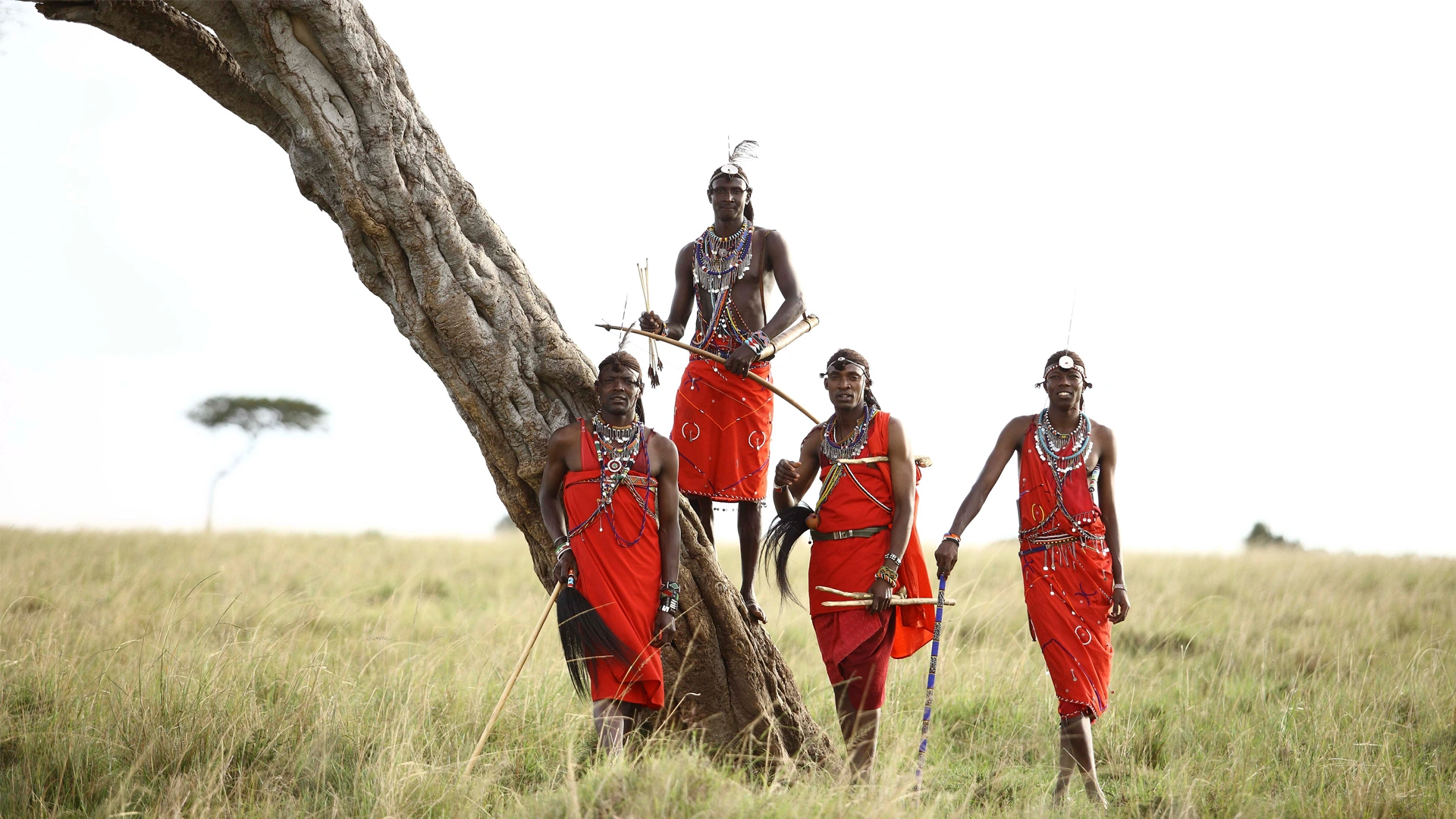
I watched this one warrior, tall as a tree, spear in hand, scanning the horizon like he owned what he saw. He told me stories about how they used to roam free across Kenya and Tanzania, no borders, just them and the wild. Today, there’s about a million of them split between the two countries, and they’re still holding tight to their ways. Visiting tribes in Africa doesn’t get more real than this. Sitting by a fire, eating roasted goat, hearing elders talk about their sky god, Ngai.
Indigenous Tours of The People San
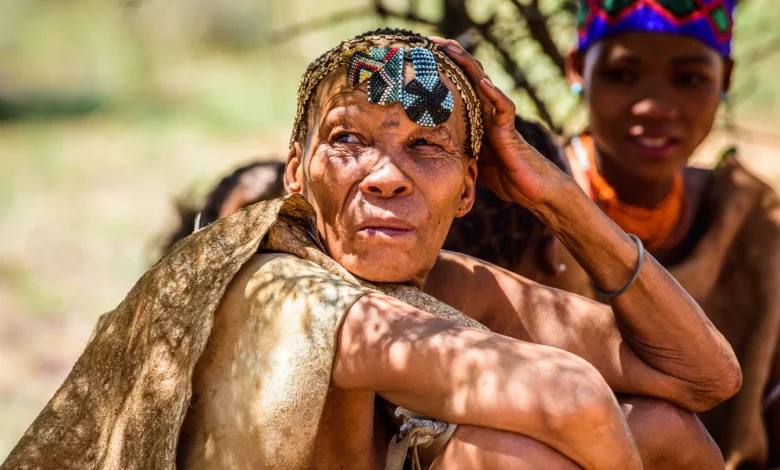
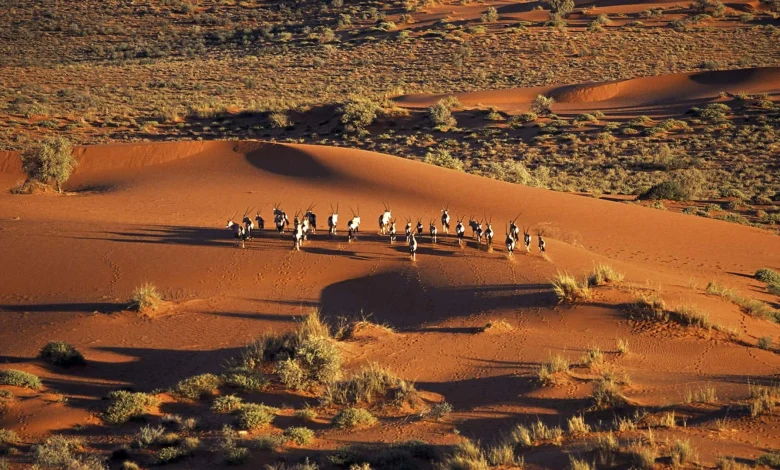
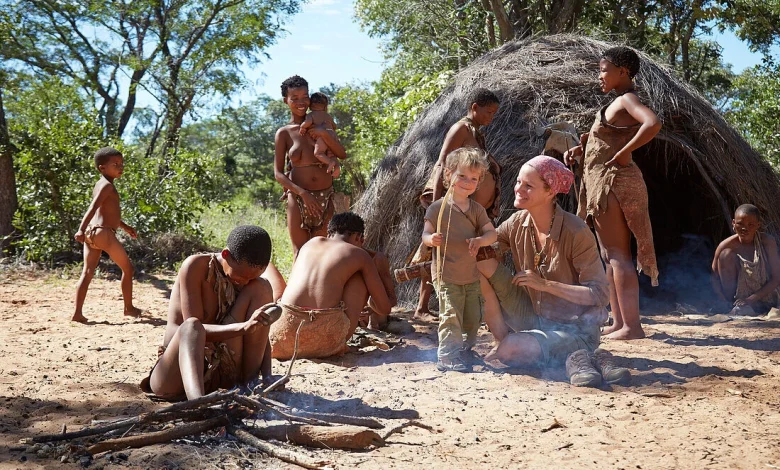
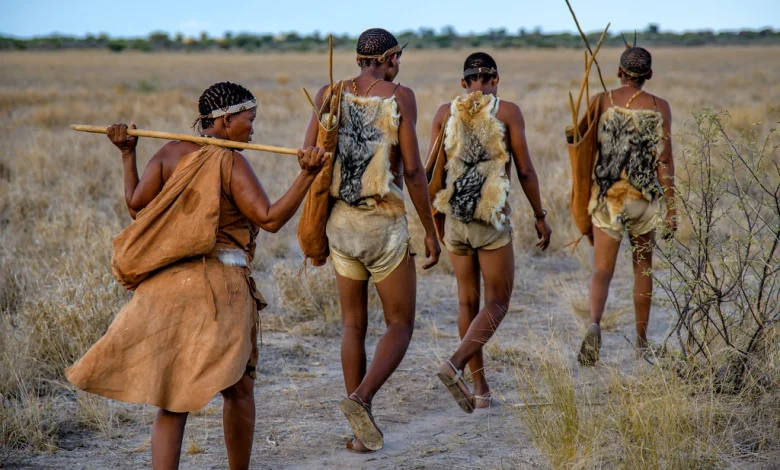
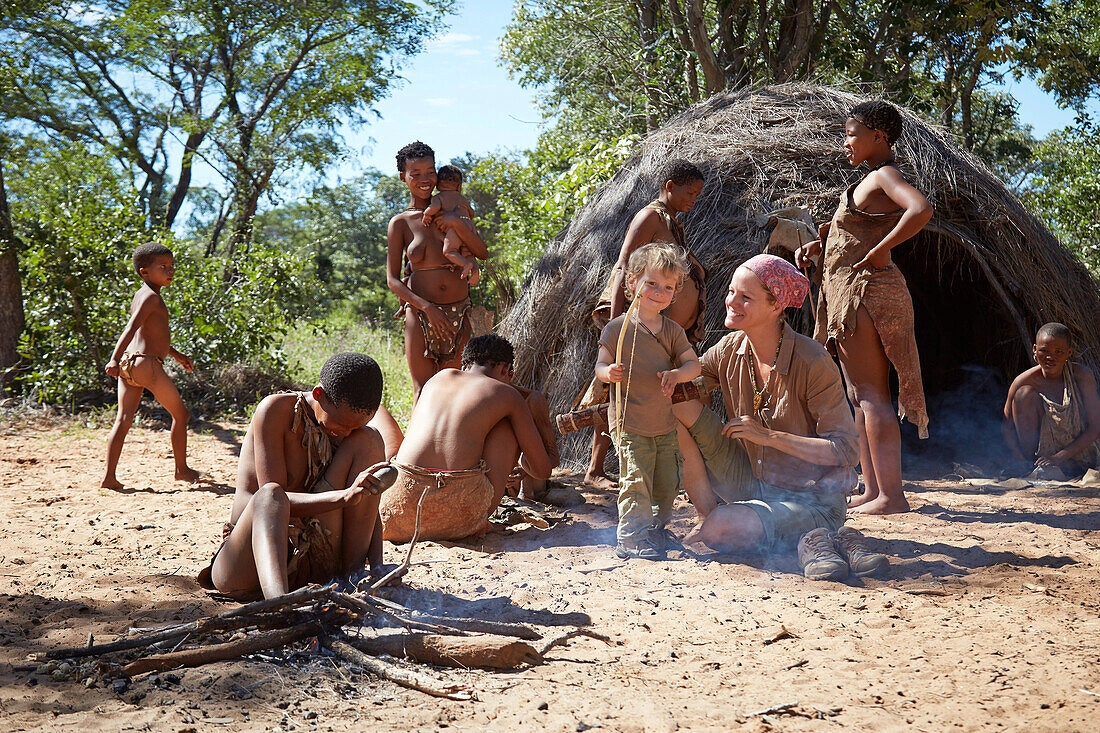
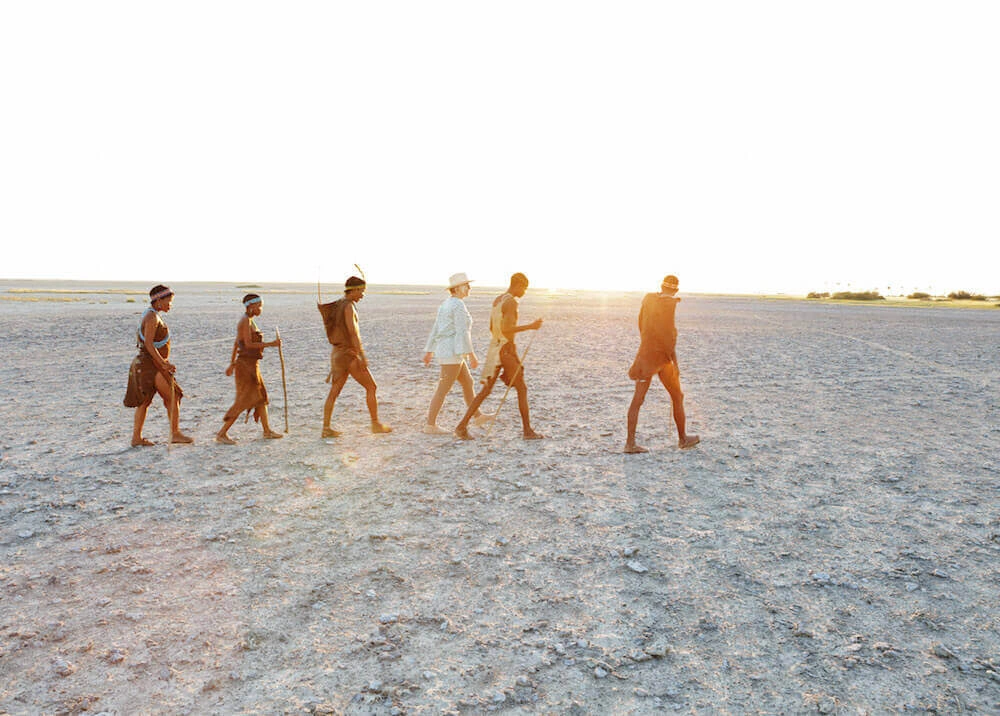
Next up, I headed south on my indigenous tours journey to Botswana to meet the San, sometimes called the Bushmen. The San blew my mind. They’re one of the oldest groups on the planet and some say over 100,000 years. They’ve got this quiet, deep connection to the land. I joined them on a walk through the desert, and these guys can read the ground like a book. A bent twig, a faint track then they’d point and say, “Kudu passed here this morning.” I was useless at spotting anything, but they didn’t judge.

The way of San
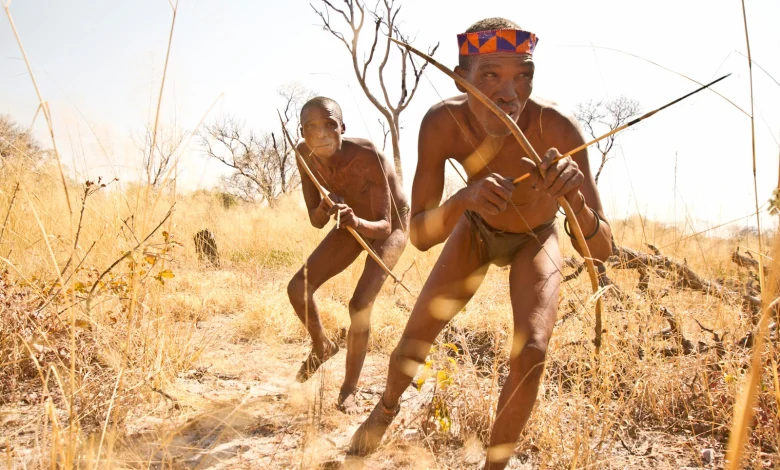
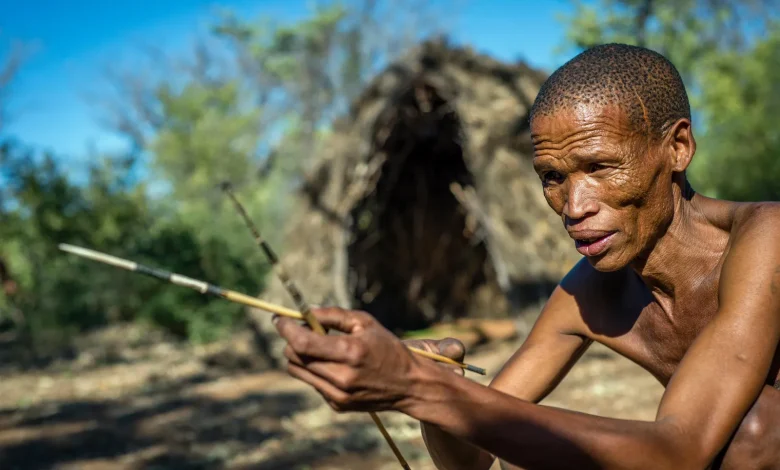
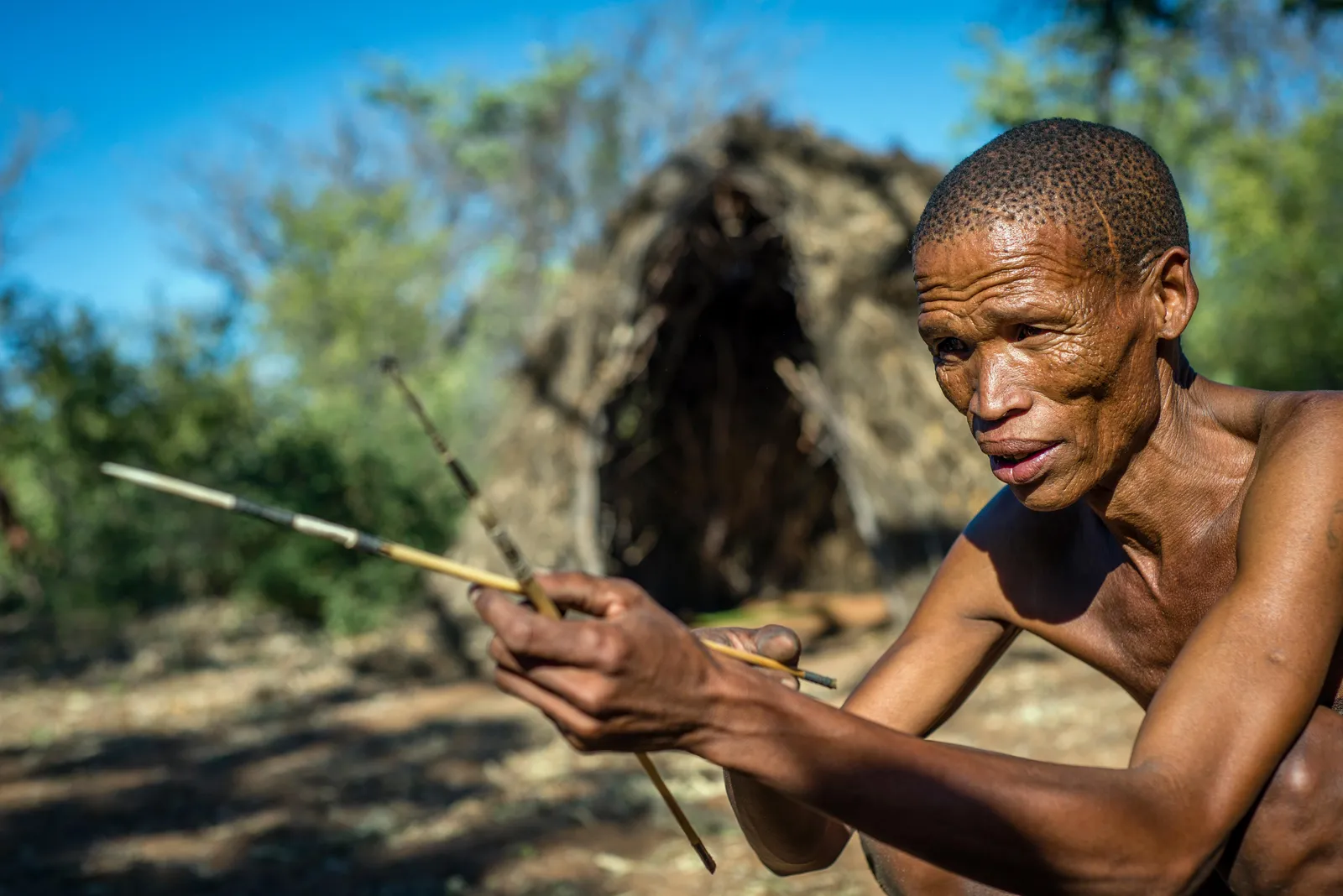
The San showed me how they hunt with tiny bows and poison-tipped arrows. It’s slow, patient work, not loud or rushed. They also dig up roots and find water in places that look bone-dry to me. At night, we sat around a small fire, and they told stories with clicks in their language that sounded like music.
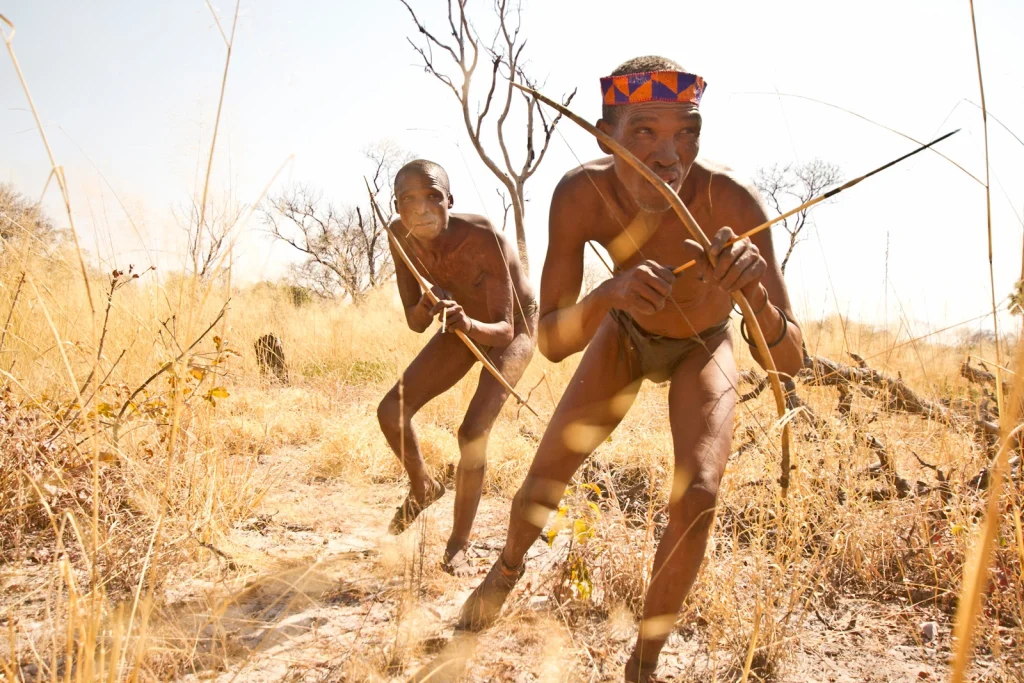
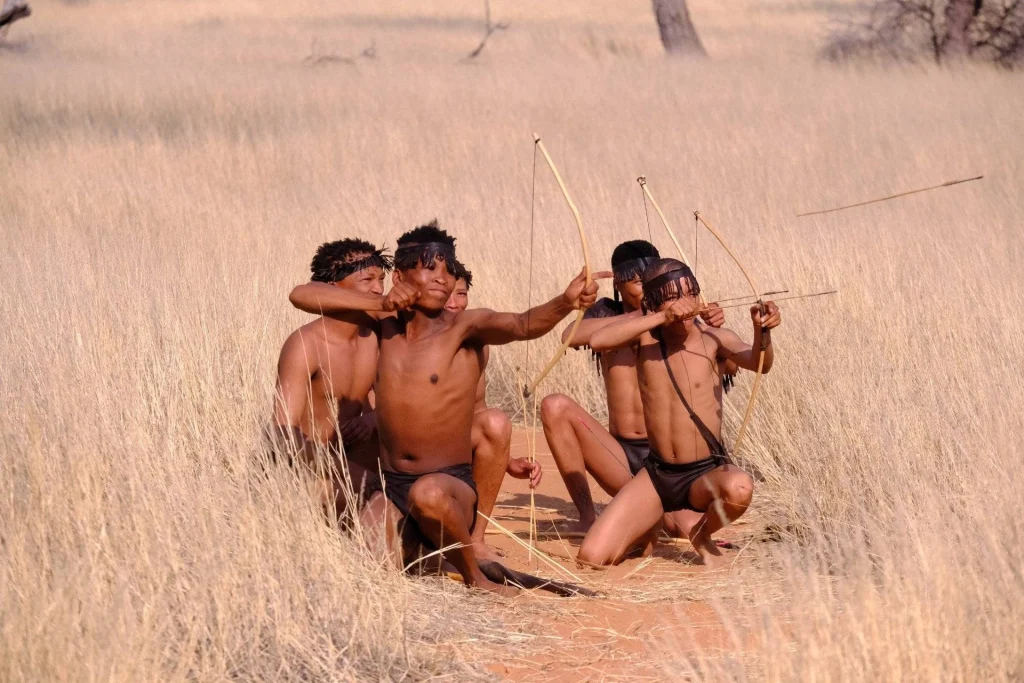
There’s maybe 130,000 San left across southern Africa, and they’re fighting to keep their space as farms and parks creep in. This indigenous African tribe has a way of making you feel small. Not in a bad way, but how it humbles one’s arrogance of knowing it all.
Getting to San
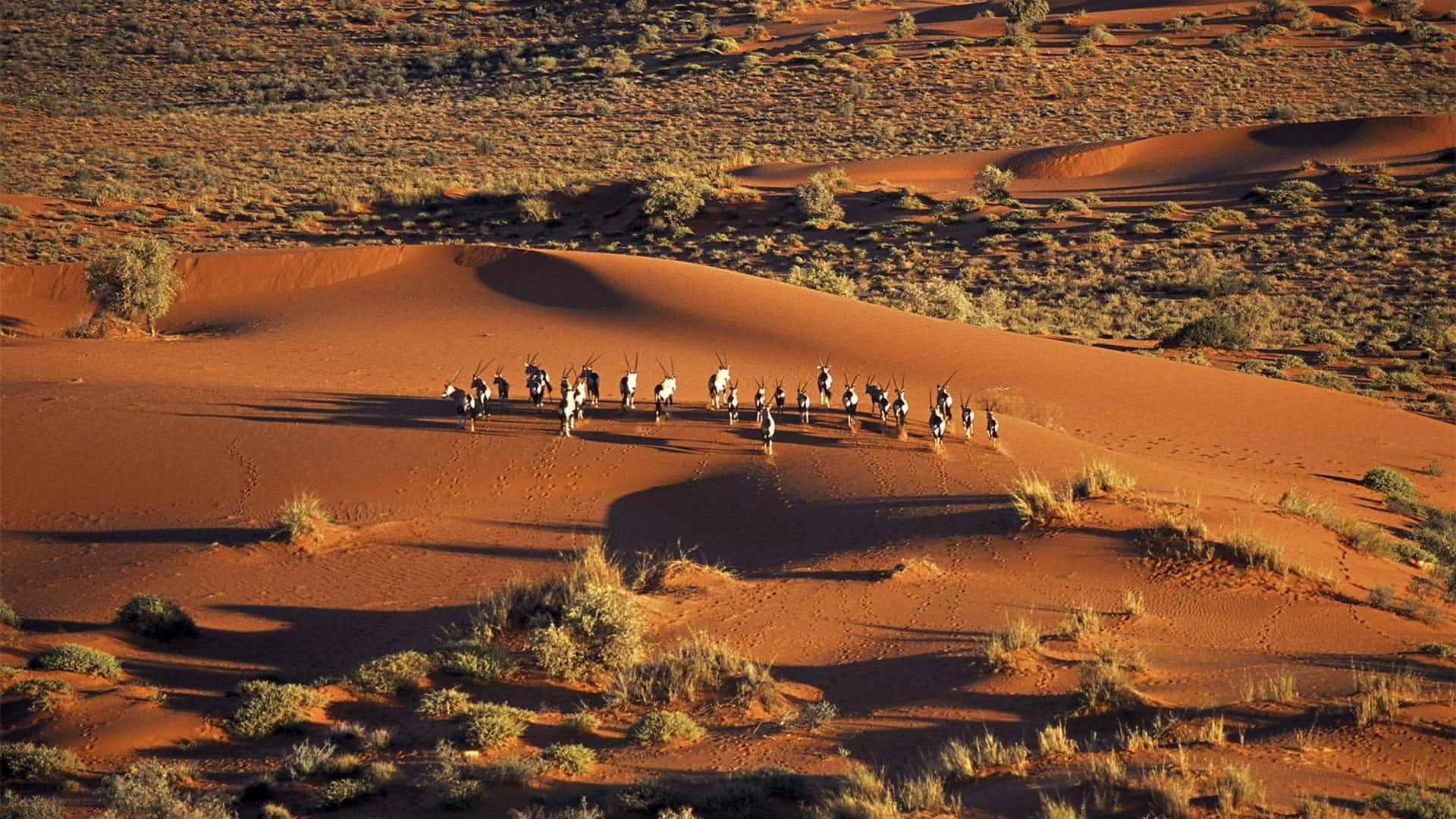
Getting there was a whole different beast. I flew into Maun, a little town that’s like the gateway to the Kalahari Desert. From Maun, you’ve got options like renting a 4×4 if you’ve got cash, or hop on a shared taxi heading toward Ghanzi. Those taxis are rickety, but they’ll get you there for peanuts, maybe USD 5 or so for a few hours.


Indegenous Tours of The Hadza
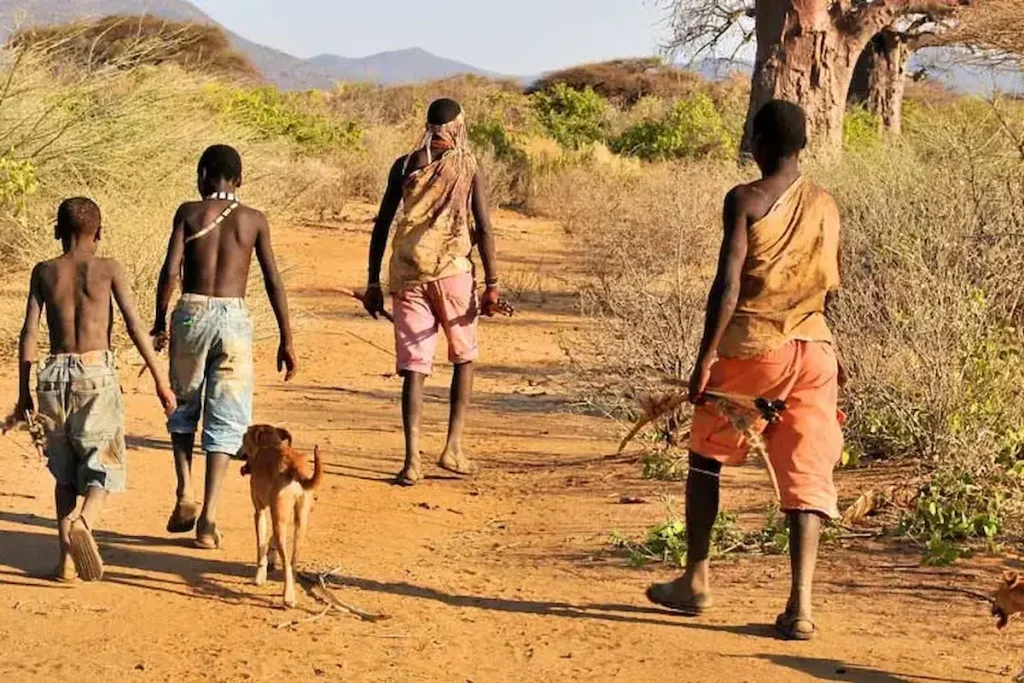
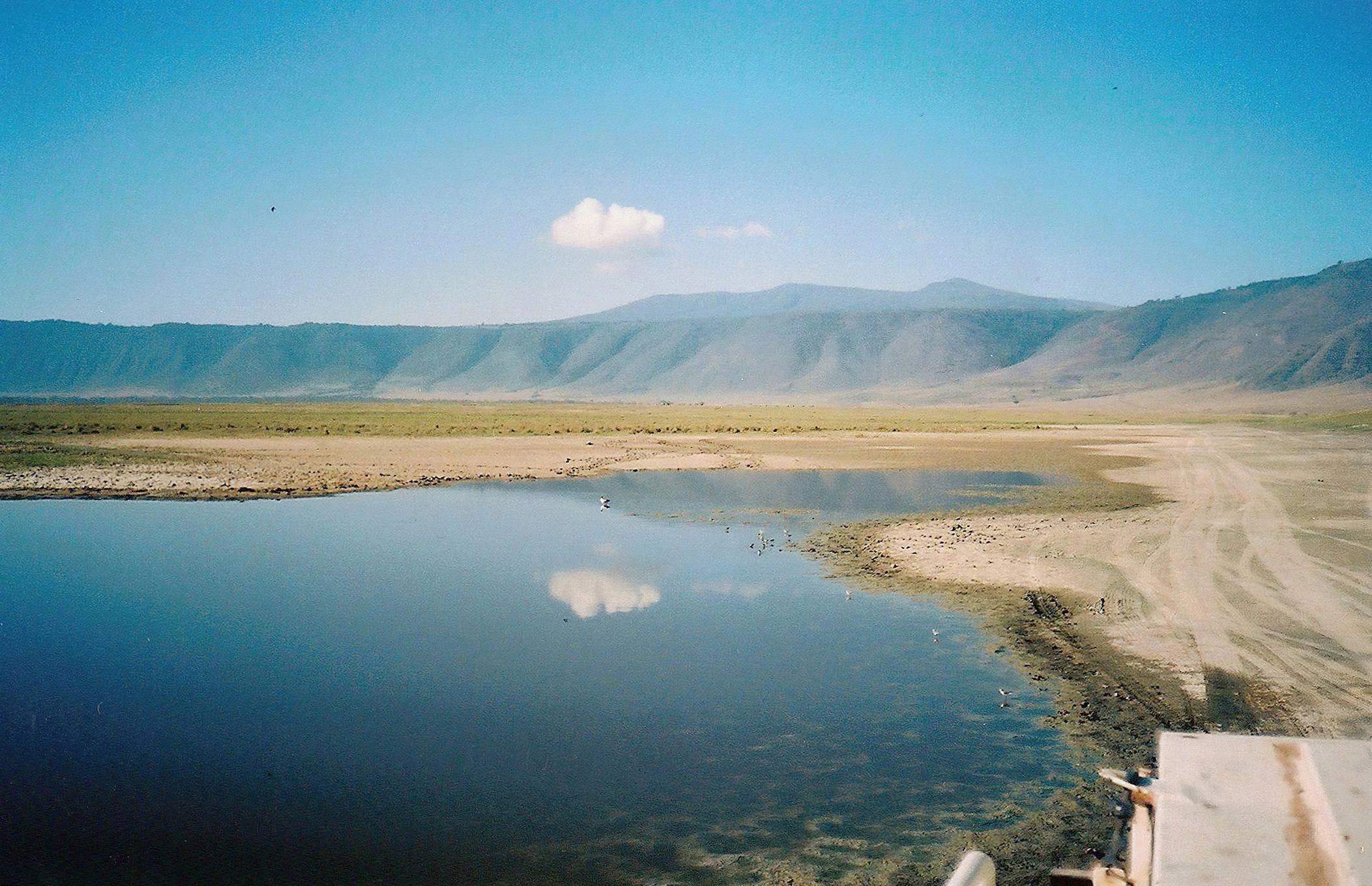
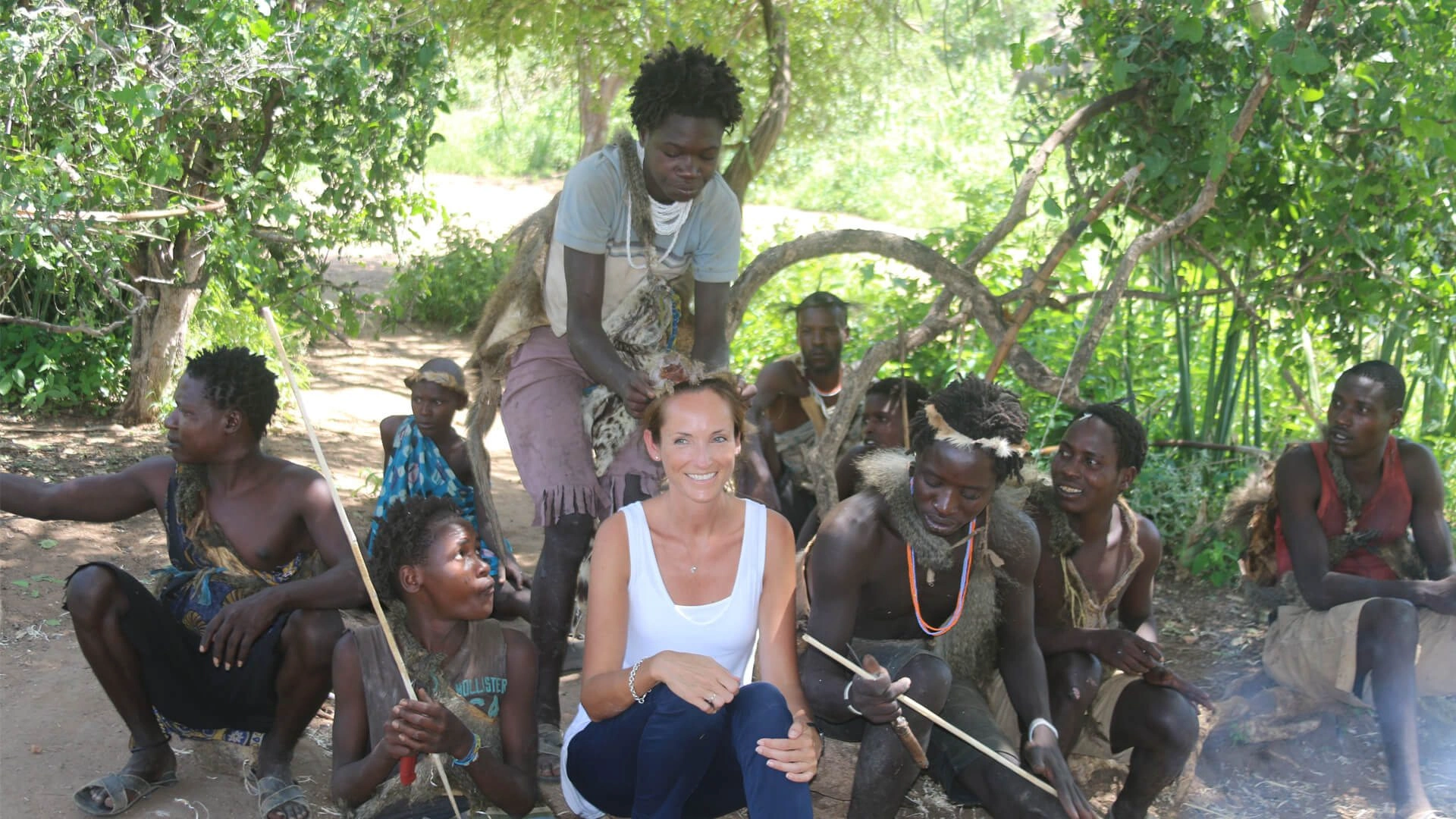
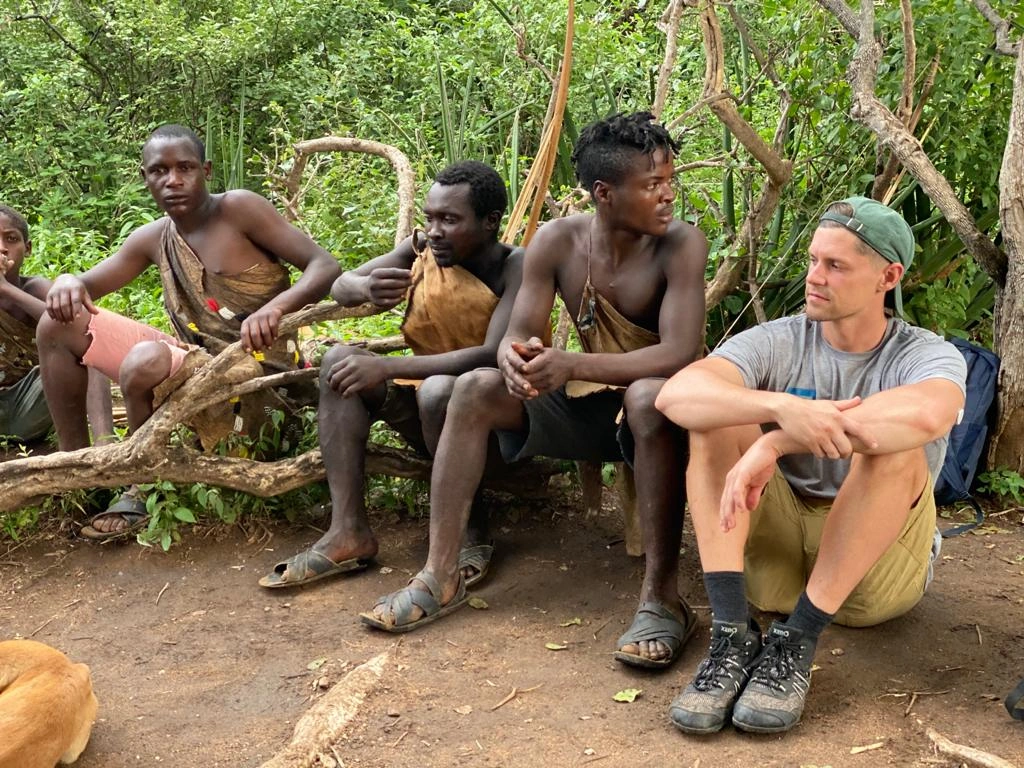
Then there’s the Hadza or Hadzabe tribe from Tanzania, as some call them. I’d seen them on YouTube before, with all those big-name creators raving about them, so I had to check it out myself. Who are the Hadza tribe? They’re one of the last hunter-gatherer crews on Earth, living like humans did 10,000 years ago. Where do the Hadza tribe live? They’re tucked away around Lake Eyasi, a salty stretch in northern Tanzania.

The way of Hadza
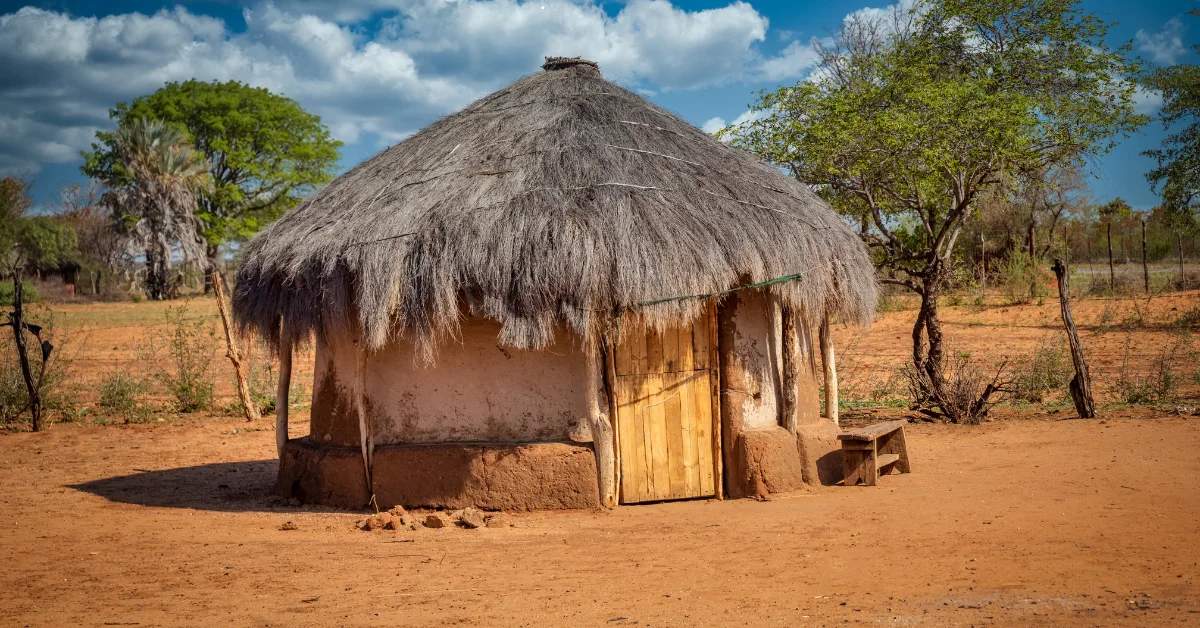
When I rolled up to their camp, it was bare-bones with grass huts, a fire pit, no fuss. How many Hadzabe tribe are there? Only about 1,200 to 1,300, and maybe 400 still live the old-school way. I went out with the men at dawn, bows in hand, chasing baboons and birds. They’re fast, silent, and deadly accurate for how they hit a bird mid-flight like it was nothing.
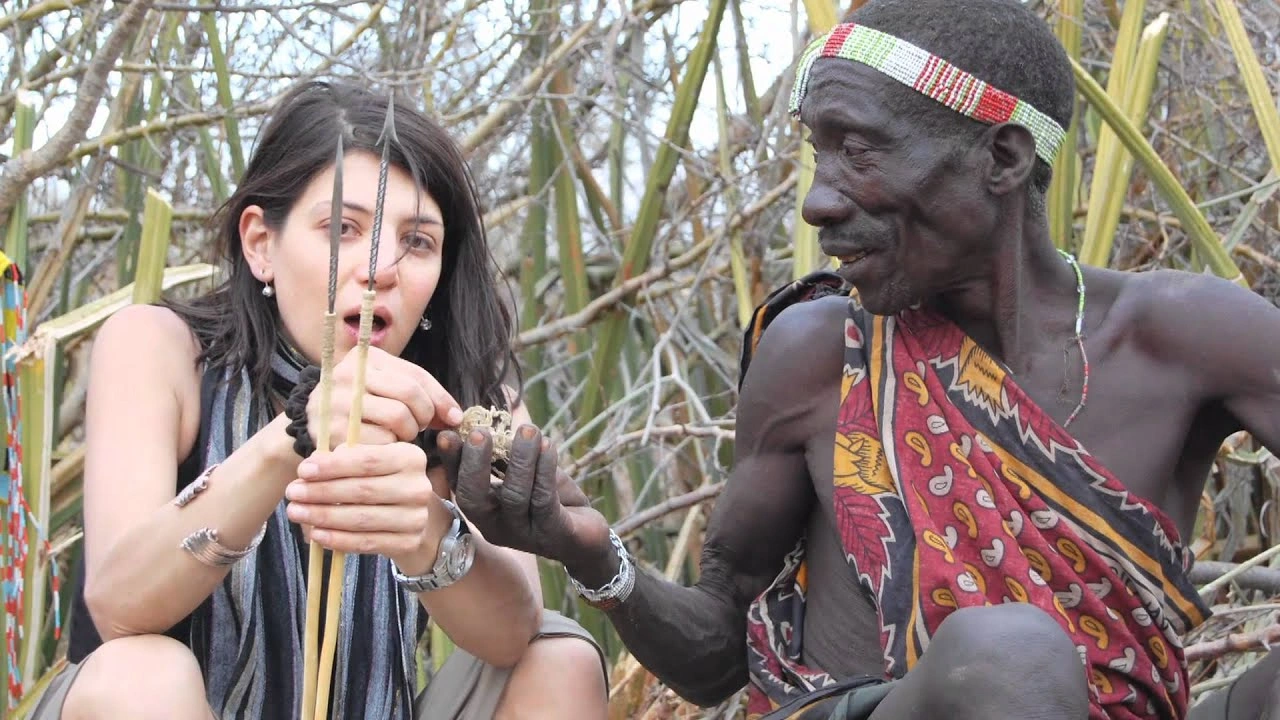

The women were digging up tubers with sticks, and later, we all ate this mix of roasted meat and roots by the fire. The Hadzabe tribe visit cost wasn’t cheap it costed around USD 50 for the day, plus transport, but it’s cash well spent for something this awesome. They don’t care about money much, though; they’d rather trade for tobacco or clothes.
Getting to Hadza
The Hadzabe tribe visit cost wasn’t cheap it costed around USD 50 for the day, plus transport, but it’s cash well spent for something this awesome. They don’t care about money much, though; they’d rather trade for tobacco or clothes.
Behind the scenes
Here’s the thing about Indigenous Tours and Tourism, it won’t be a tourist trap if you do it right. With the Hadza, I felt like a guest, not a gawker. They laughed at my terrible attempt to shoot a bow, and I laughed with them. Same with the Maasai and San. It’s about sharing a moment, not snapping pics and bouncing. I’m sure you wouldn’t be on your phone when you’re on a date! How many African tribes are there? Over 3,000, they say, spread across 54 countries. That’s a ton of stories, and I’ve barely scratched the surface.

Transportation
Transportation-wise, I stuck to the low-budget stuff wherever I could. In Tanzania, those dala-dalas are your best friend. They’re crowded, sure, but they run everywhere, and you’ll spend next to nothing. In Botswana, shared taxis or even hitching a ride with locals works if you’re not shy. Flights between countries aren’t cheap. Think somewhere around USD 200 – USD 300 one way, but once you’re on the ground, you can keep it tight. I’d say skip the fancy tour buses unless you’re rolling in dough; the local rides get you closer to the real deal anyway.
- Read more to find out about the 20 incredible drive routes in Africa!
Why is Indigenous Tours Unique?
The coolest part about these Indigenous tours? Every tribe had its own vibe. The Maasai are proud, almost regal, with their cattle and dances. The San are chill, like they’ve got all the time in the world to figure out the desert. And the Hadza? They’re just doing their thing, no stress, no clocks, just living off what the land gives them.
My Tribal Experience
African tribal tours like these aren’t about ticking boxes or a perfect way of life, they show you their humble practices. Unlike us who are into technology they’re people who live by nature. They make you feel history in your bones. I sat with a San elder who showed me how to make fire with two sticks, and I swear, when that spark hit, I felt like I’d jumped back 50,000 years.
Closing my Tribal Adventure
By the end, my shoes were caked in dust, my phone was dead, and I was laughing like an idiot. These folks – the Maasai, the San, the Hadza, they’ve got roots so deep, it’s humbling. I’m no expert, but after this trip, I get why people say Africa’s where it all started. If you’re dying to see it for yourself, pack light, bring cash, and don’t be afraid to get a little lost. The tribes I met? They’ll set you straight, humble you and leave you with stories you’ll never shut up about.
- These tribes aren’t exposed to digitalism, which preserves their originality. Why not go on a digital detox journey?