


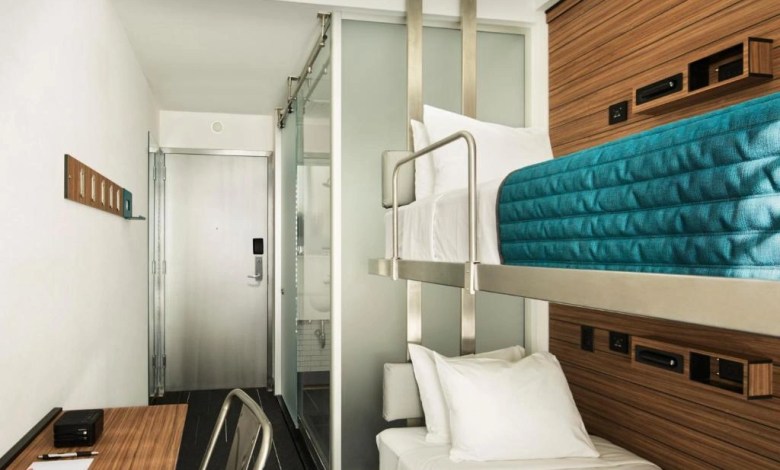


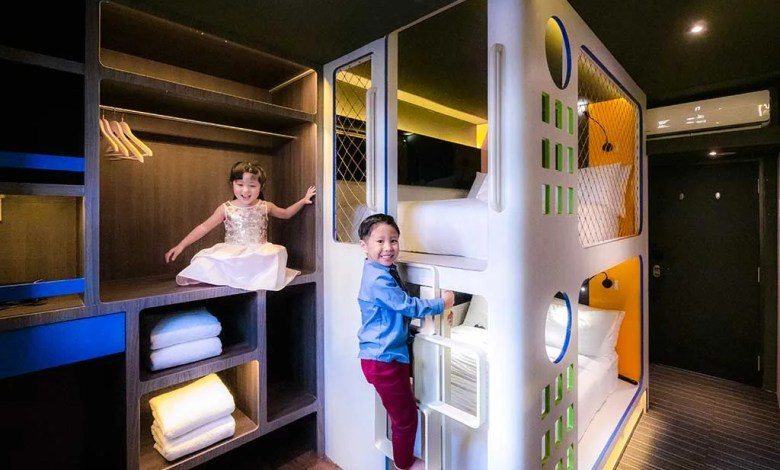


Sleep helps you win in life, for it helps you rest to be the best. I’ve lived by that motto since my grandmother used to tuck me into my bed before 9.00 PM, and she always believed quality sleep is essential for the body to recover and mind to heal. It’s been years since she passed, but the message she passed down to me hasn’t changed. I took healing seriously, so I ventured far beyond just to research how sleep is perceived all around the world.
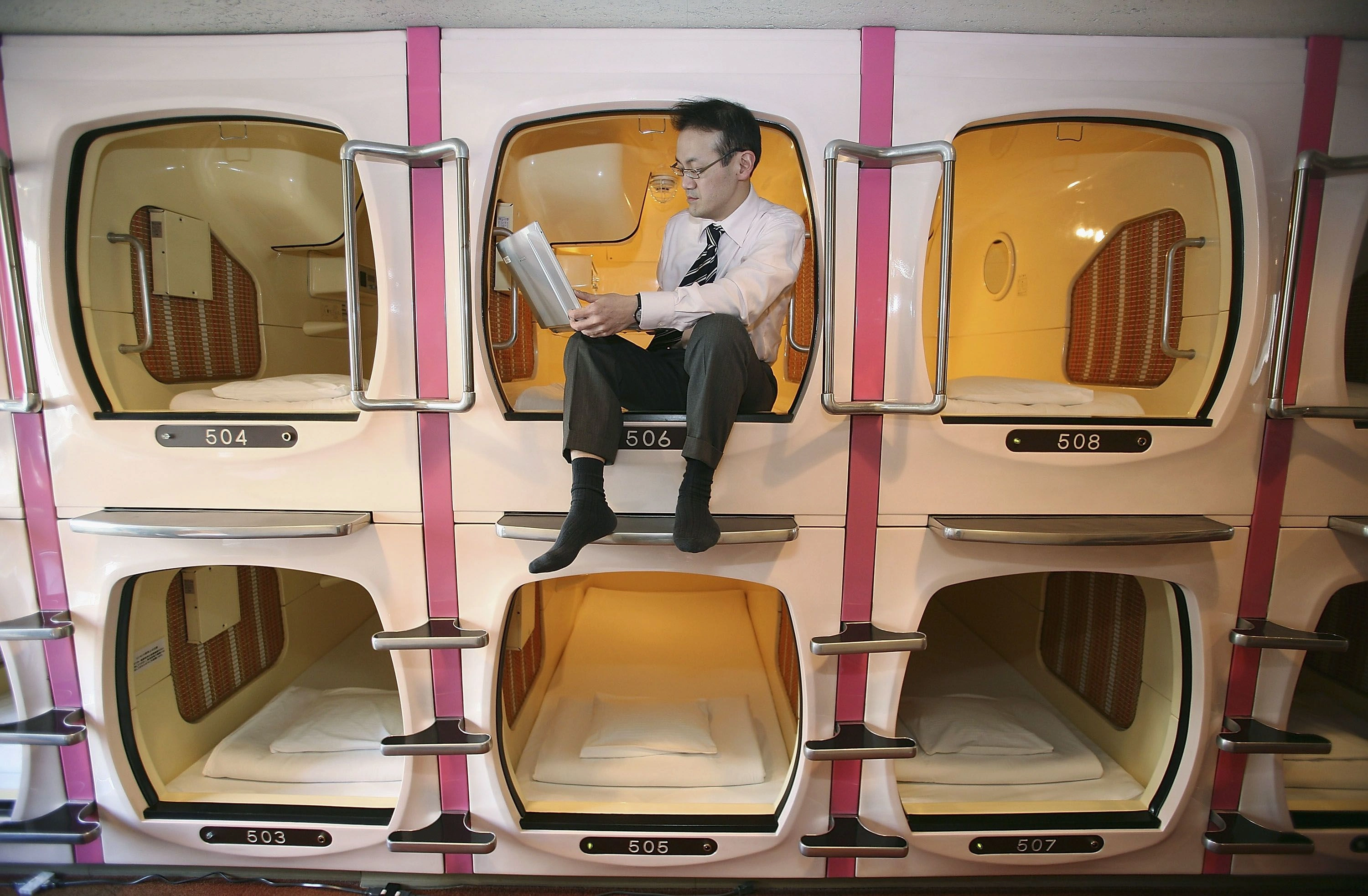
As a budget-conscious traveler obsessed with unique accommodations to rest my head, I’ve spent years exploring capsule hotels around the world. These ingeniously compact spaces comprise of affordability, technology, and social connection. Below are my top picks for the best capsule hotels in the world, including hostel vibes, private capsule room upgrades, and high tech capsule hotel marvels.

Asia: Where Capsule Culture Reigns
Asia delivers unbeatable innovation. Just so that you know, Japan is where the capsule hotel & hostel concept was born (in Osaka 1979), so it’s no surprise that one of the best capsule hotels in the world is in Tokyo.
Nine Hours (Japan)
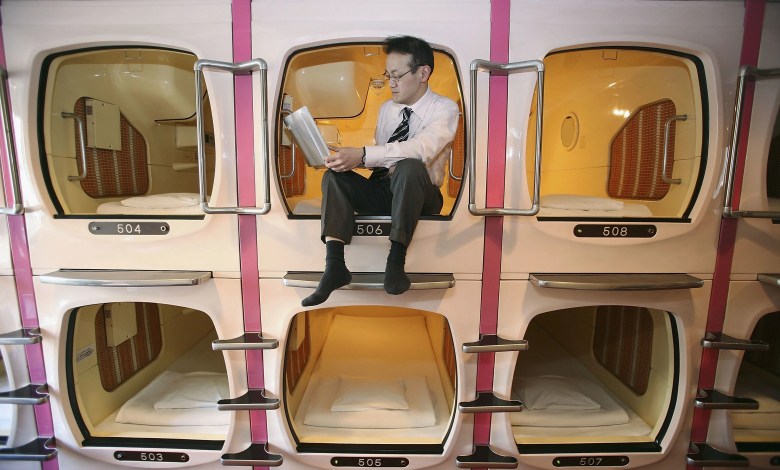
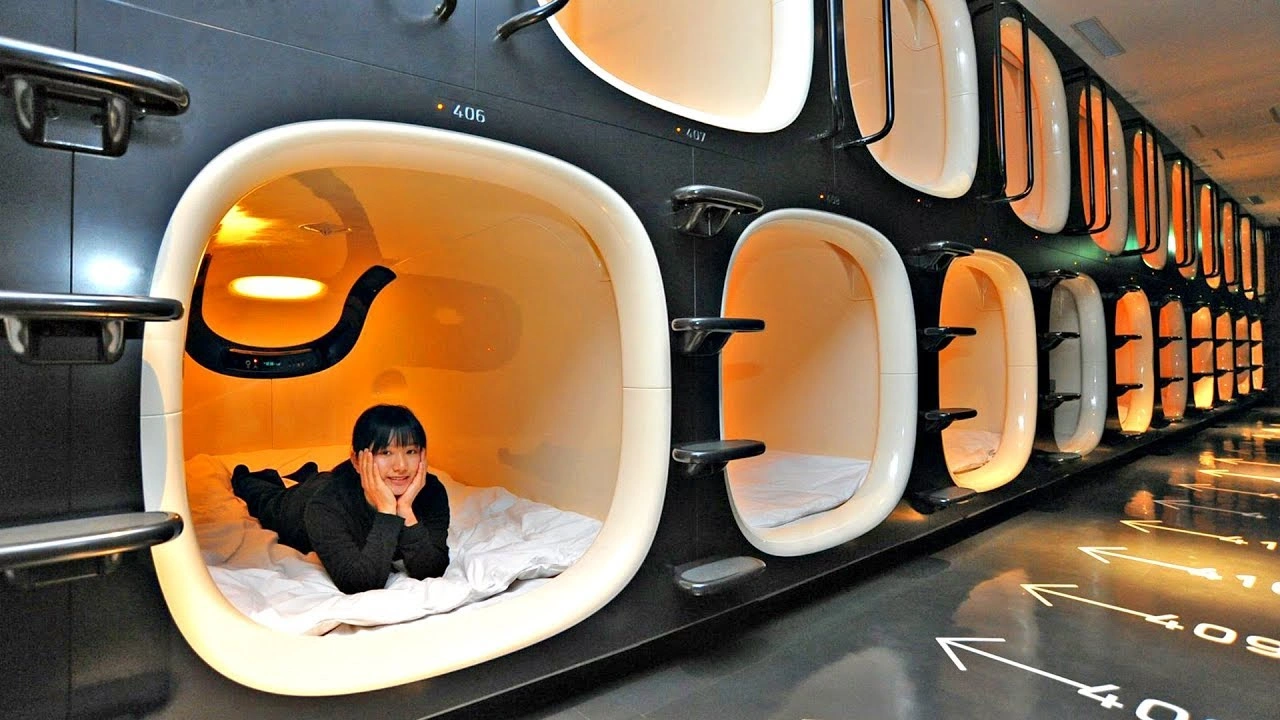
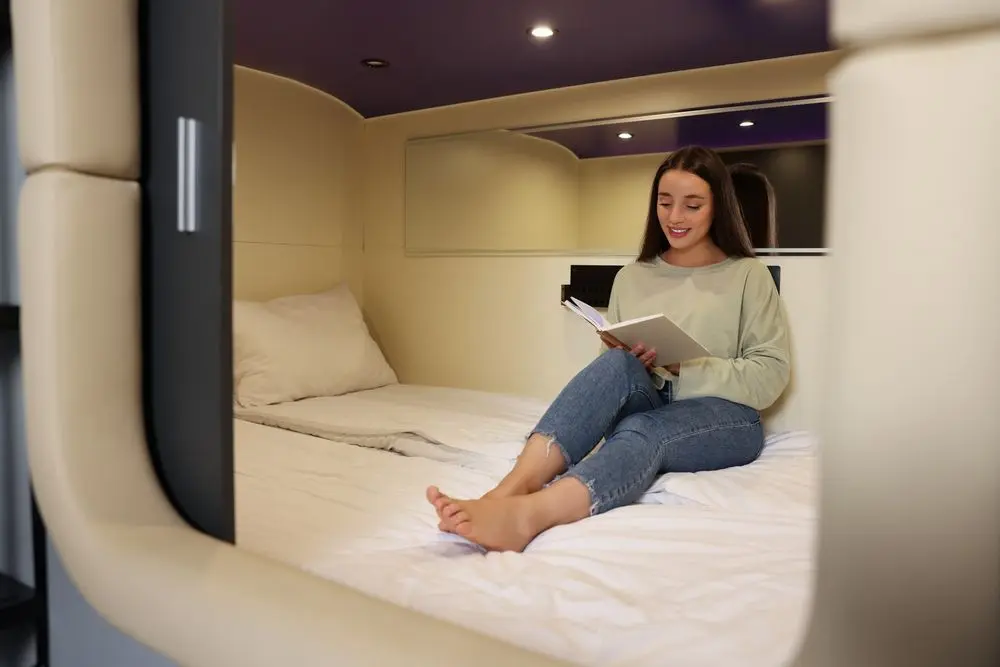
My first capsule stay felt like boarding into a NASA spaceship! With locations in Tokyo, Kyoto, and Narita Airport, Nine Hours perfects the minimalist pod. The name reflects their philosophy: 1 hour to shower, 7 to sleep, 1 to dress. Capsules feature mood lighting, ventilation, and privacy shades. Unbelievably spacious where I had enough space to sit up and store my belongings in a shelf with compartments.
The model was extremely futuristic with screen-touch commands – not something I could have imagined in my wildest dreams. The amenities were top-notch – high-speed Wi-Fi and the free coffee system are a nice touch. For airport layovers, their Narita branch is a lifesaver – a true railway capsule hotel experience.
Book and Bed (Tokyo)
They say “Reading Maketh a Full Man” and that’s most certainly true. Not a lonely person but I’d rather choose a book over nonsensical humans – no offense. When I heard Book and Bed, that sounded like a crazy combo – they’re the two best things I love this world and what more could I ask for?
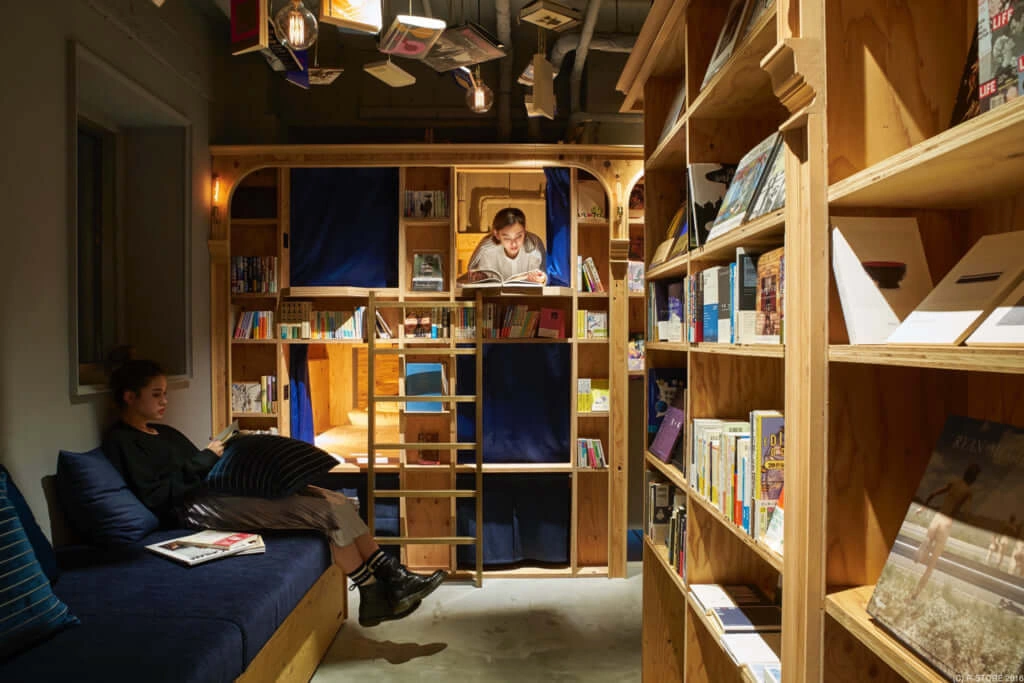
As a book lover, I immediately headed out to this surprisingly affordable capsule hotel & hostel with around 30 pods. Imagine sleeping inside a bookstore! Pods are tucked into shelves filled with over 1700 Japanese and English titles. The “compact” pods are warmly comfortable, and the “standard” offers extra width. Ideal for solo travelers who trade space for whimsy.
Space Capsule Hotel (Guangzhou, China)
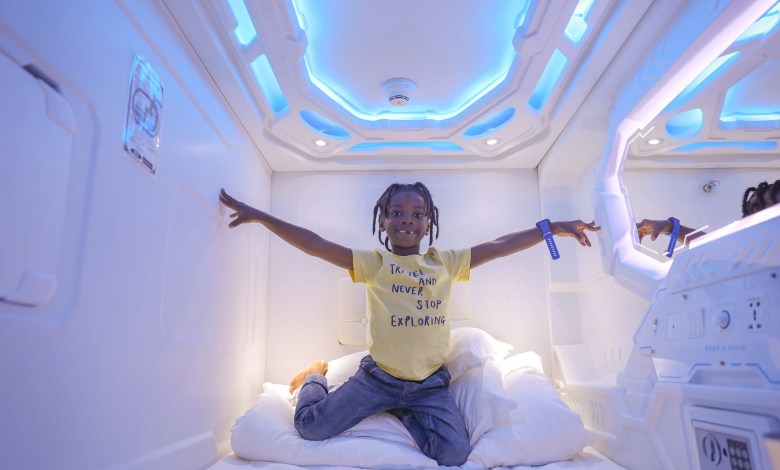
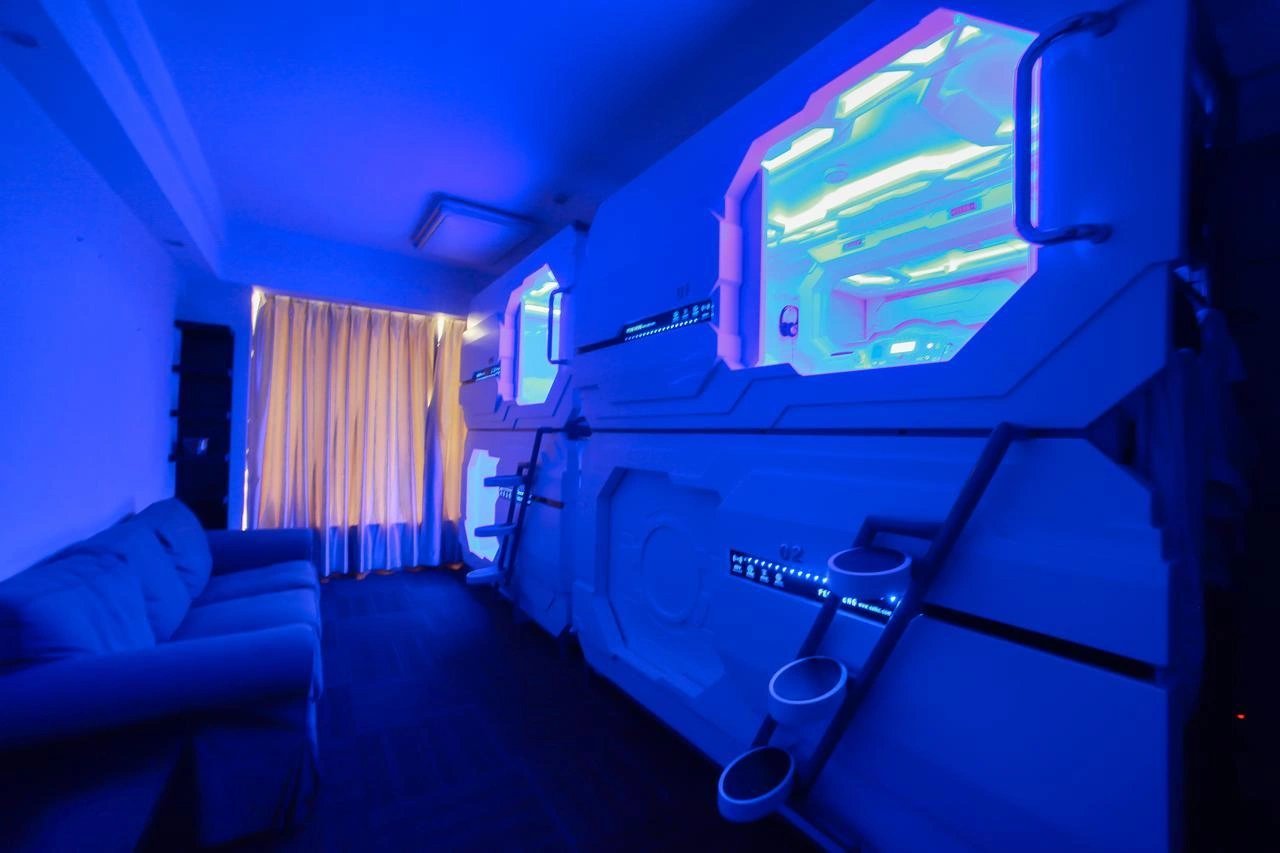
This is a place that made me go, “the world has really changed” – this level of advancement made me feel proud about mankind and slightly overwhelmed about where the future is heading to. This is a high tech capsule hotel with 24/7 front-desk almost completely controlled by robots! With flat screen TVs, work desks, smart climate controls, and LED mood lighting although the bath and shower are shared. Each pod felt like a futuristic hibernation chamber – spotless. You get to order refreshments from your tablets and guess what? – you’ll be attended by robot butlers!
CUBE Boutique Capsule Hotel – Singapore
This one’s located in Singapore’s lively Chinatown. CUBE offers a modern twist on the traditional capsule stay experience. What sets this place apart is their gender-separated floors and the cozy ground-floor café that serves excellent morning coffee – I just loved the aroma and the aftertaste of it. Each capsule features blackout blinds, reading lights, and secure storage – surely great for solo travelers seeking privacy and comfort.
KINN Capsule Hotel, Singapore
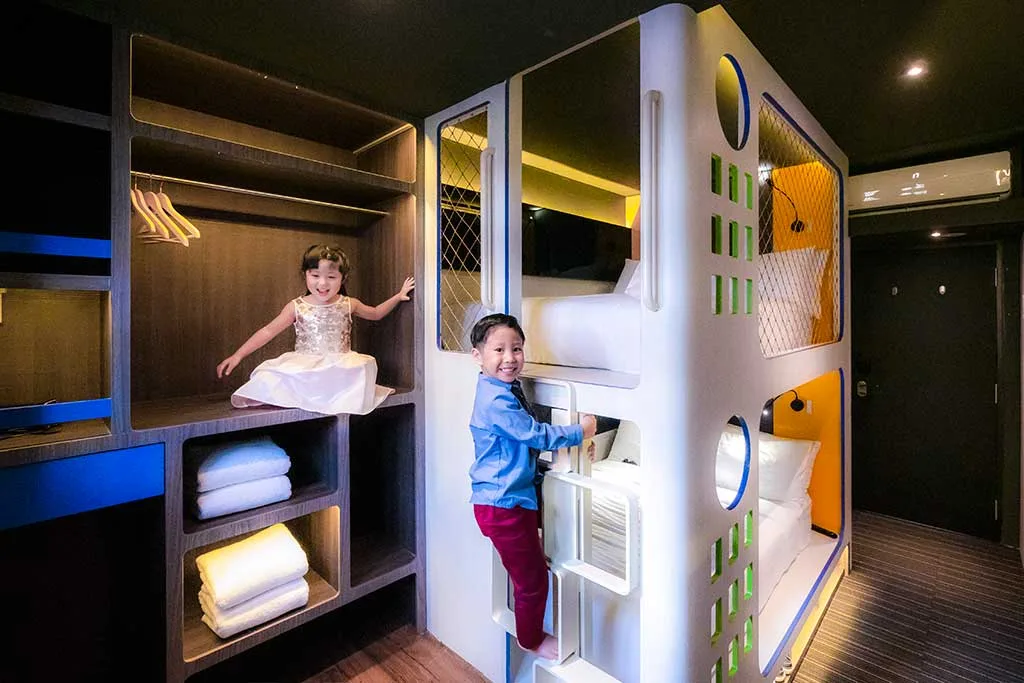
Singapore’s KINN Capsule Hotel blew me away with its minimalist charm. Inspired by Japanese Zen philosophy and MUJI principle designs, this capsule stay talks simplicity. My pod had a comfortable mattress, a reading light, climate control and USB ports – everything I needed for a restful night. The rooftop terrace was a highlight, offering views of Singapore’s skyline and a great spot to sip coffee – free of course! The hotel’s located in the heart of the city, which makes it easy to explore nearby attractions like Marina Bay. It’s one of the best capsule hotels in the world for travelers who want a decent capsule stay without breaking the bank.

Europe: Sleek Design Meets Social Hubs
CityHub (Rotterdam, Netherlands)
My favorite social pod! Amsterdam’s CityHub was my first taste of a European capsule hotel & hostel, and it was surely a game-changer for me. Why? The pods, or “hubs,” are larger than the traditional capsules – more room, more comfort, apps control everything with just a tap! With a double bed and customizable mood lighting. I could stream music via Bluetooth and the pods were soundproof which made my private capsule room feel like home.
The communal bar-café was quite lively, and I ended up chatting with other travelers over a beer – the best part about it is that the order was served via a cool wristband system. Located near the Foodhallen, it’s ideal for foodies – like me! This capsule stay was affordable and fun, making it one of the best capsule hotels in the world.

Capsule Hotel Lucerne, Switzerland
Switzerland is pricey, so finding an affordable capsule stay in Lucerne was indeed a pleasant surprise for me. Capsule Hotel Lucerne, located on the edge of the historic old town, offers pods with air-conditioning, mood lighting, walk-in showers, carpeted floors and free Wi-Fi. My pod felt like a space shuttle, which was oddly thrilling and interesting. Their idea and choice of theme is peculiar but fun – which is what attracted me in the first place.
The shared spaces were clean, and the staff were friendly, giving me tips on exploring nearby Lake Lucerne. For budget travelers, this high tech capsule hotel is a steal in an otherwise expensive destination, earning its spot among the best capsule hotels in the world.

Middle East: Pods with a View
Petra Capsule Hostel (Wadi Musa, Jordan)
A sleeping pod hostel perched above Petra’s archaeological site. Though basic, the panoramic desert vistas from the communal deck are unmatched. All the capsules are equipped with a flat-screen TV, universal charging points, USB ports, and free WiFi. The staff here are very friendly and the service is recommendable. In addition, the 24-hour front desk, and lockers are also available. Privacy is a great highlight and all the pods have glass windows with amazing city views. The pod made me feel like I’m in the middle of sky – which means late-night stargazing is allowed!

Oceania: Emerging Pod Pioneers
The Pod Sydney (Australia)
Centrally located near Central Station, this no-frills capsule stay is a safe CBD crash pad. It offers king single bed, reading lamp, privacy curtains, personal lockers, and free Wi-Fi. All the rooms are air-conditioned so forget about sweating. Shared bathrooms were impeccably clean with free towels and toiletries provided.
Want to fry some eggs? You’ll have access to fully-equipped kitchen and a shared dining space. They also have laundry facilities and they provide free washing powder. I was chilling with other backpackers in the lounge area which has a TV and a vending machine with beverages of all sorts to quench your thirst.

Americas: Urban Efficiency Redefined
Pod Times Square (New York City, USA)
My go-to NYC budget fix. Though marketed as a “pod hotel,” they have diverse rooms with en-suite bathrooms, kitchen, lounge area, flat screen TVs, Wi-Fi. All air-conditioned – from standard to luxury pods with Times Square views. The rooftop tiki bar fuels pre-Broadway buzz. I didn’t want to leave this place just for the level of comfort I had. Now that is how you identify a successful organisation.

Pangea Pod Hotel (Whistler, Canada)
When I first saw its interior, I held onto my card tightly but when I saw the prices, I felt like I won a trophy – it was unbelievably affordable. This sleeping pod hostel is located in North America’s ski paradise. I was impressed by the double-bed pods which were amazingly spacious and have three solid walls and blackout curtains. The lockers and over-head compartments in the pods are convenient. The lively rooftop apres-ski bar makes it easy to meet fellow powder hounds.
Africa: The Capsule Frontier
Honest note: Authentic capsule hotels are scarce here. While South Africa and Kenya have “pod-like” hostels, none yet match the global standard. I’m watching for pioneers like Sleepbox or Nine Hours to expand!
Cape Capsules – Muizenberg, South Africa
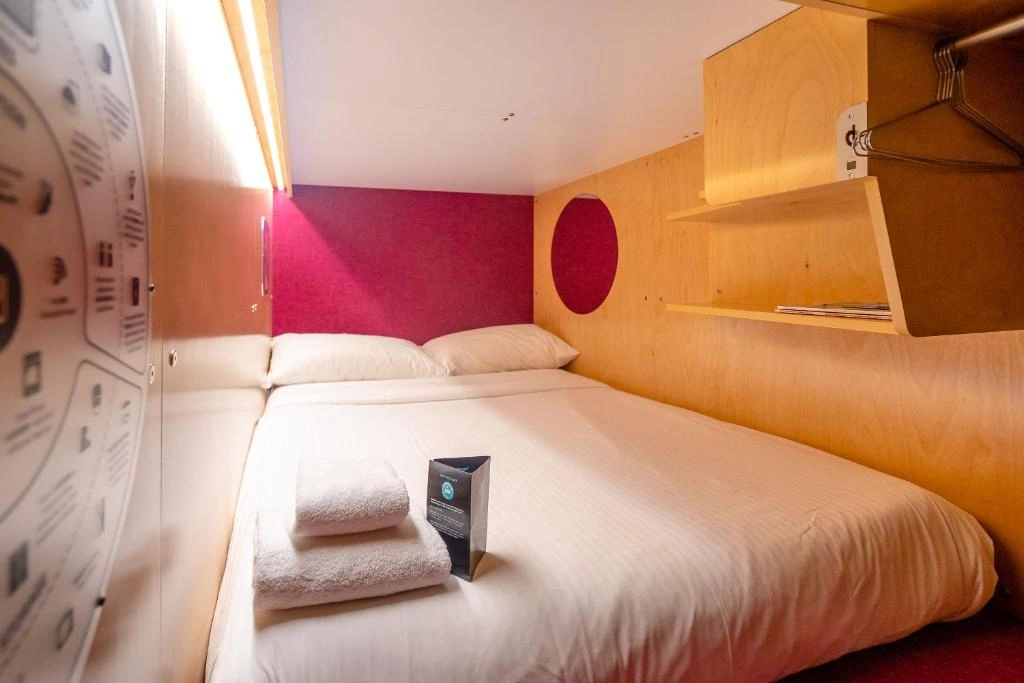
My final stop brought me to Cape Capsules in Muizenberg, representing Africa’s growing capsule stay market. This beachfront capsule hotel & hostel offers a unique African interpretation of Japanese design principles – simple and basic but definitely interesting enough to make it to my list. The garden setting and ocean proximity create a relaxed atmosphere that differs greatly from urban capsule hotels around the world. Each pod includes locally crafted touches that celebrate South African culture. The wall paintings were cute – the one I stayed in had manta rays!

Why Capsule Stays? Key Takeaways
- Budget Magic: Japanese capsules start at USD 15/night.
- Social + Private: Most offer female/male-only floors and locker security.
- Not for Everyone: Claustrophobia? Skip traditional stacked pods. Opt for “first class” cabins (e.g., First Cabin Japan) or full-height pods like those at The O Pod to make you feel less uncomfortable.

Personal recommendation
For first-time capsule stay experiences, I recommend starting with established markets like Singapore or Tokyo, where the concept is most refined. European options like Amsterdam’s CityHub offer familiar amenities with innovative twists, while emerging markets in Africa and Oceania provide unique cultural perspectives on the sleeping pod hostel experience.
Final Thoughts
These best capsule hotels in the world prove that small spaces can deliver huge experiences – whoever you may be; a solo trekker, tech enthusiast, or bookworm. Even with the rise of digital nomadism, such pod hotels are more than cheap stays—they’re mobile micro-offices. I can confidently say that the future of budget travel lies in thoughtful adaptation of this Japanese innovation. High tech capsule hotel in Switzerland or a beachfront capsule stay in South Africa, each offers a unique window into local culture while providing the privacy and affordability that make capsule hotels around the world increasingly popular. The best capsule hotels in the world are successful because they understand that modern travelers want more than just a comfortable private capsule room – they want authentic experiences and innovative ideas that connect them with both the destination and fellow travelers. My capsule stay mantra? “Pack light, sleep tight and dream right.”
Frequently Asked Questions
Is it safe to sleep at high altitude?
Yes, sleeping at high altitude is generally safe for most people when they adjust to it gradually. However, some may experience headaches, nausea or trouble sleeping. If symptoms become severe, it’s best to descend to a lower elevation and seek medical advice.
How can I sleep better at high altitude?
To improve sleep quality, ascend gradually, stay well-hydrated and avoid alcohol and heavy meals before bed. Using a high-quality sleeping bag and a high altitude sleeping tent can help you stay warm and comfortable. Deep breathing and staying calm also help your body adjust more smoothly.
What are the symptoms of altitude sleep problems?
Common symptoms include difficulty falling asleep, frequent awakenings, vivid dreams and sometimes breathlessness at night. These are your body’s reactions to lower oxygen levels. If symptoms worsen or persist for more than a couple of days, it’s important to rest or descend to avoid serious conditions.
What should I pack for sleeping at high elevation?
Pack warm, breathable clothes, a four-season tent or high altitude sleeping tent, a high R-value sleeping pad and a quality sleeping bag rated for cold weather. Don’t forget essentials like a headlamp, earplugs and plenty of water.