

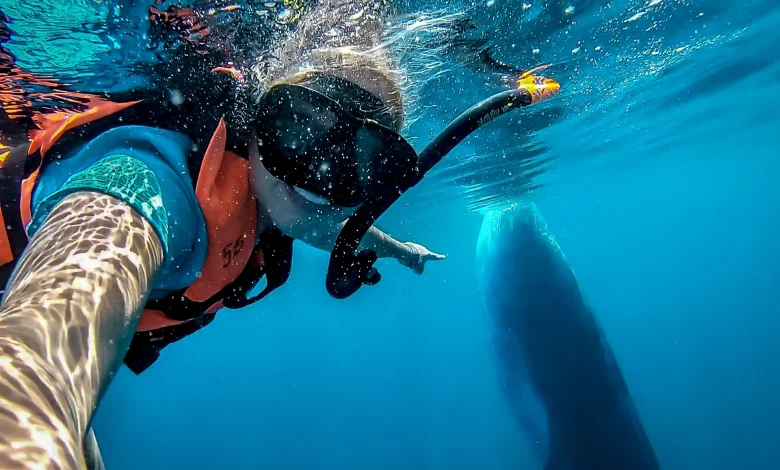

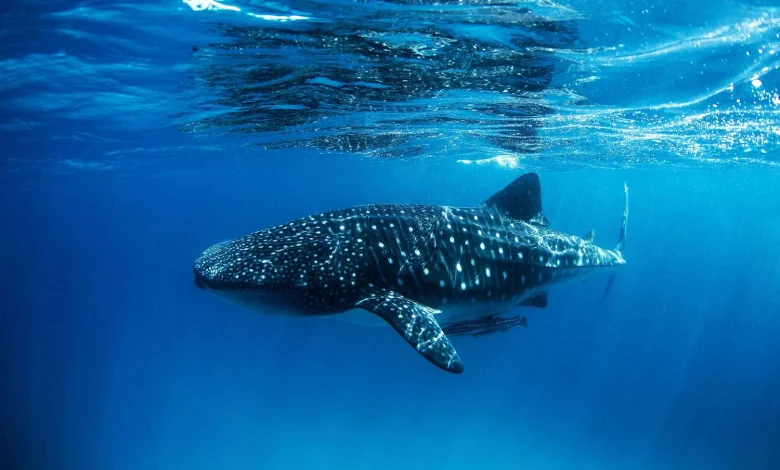
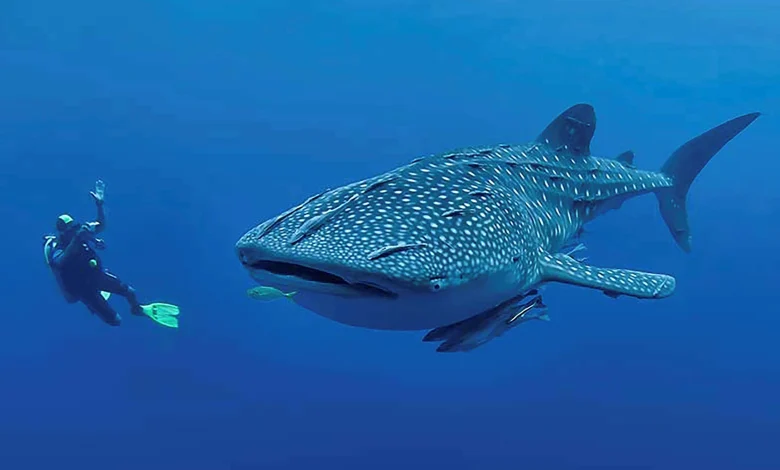
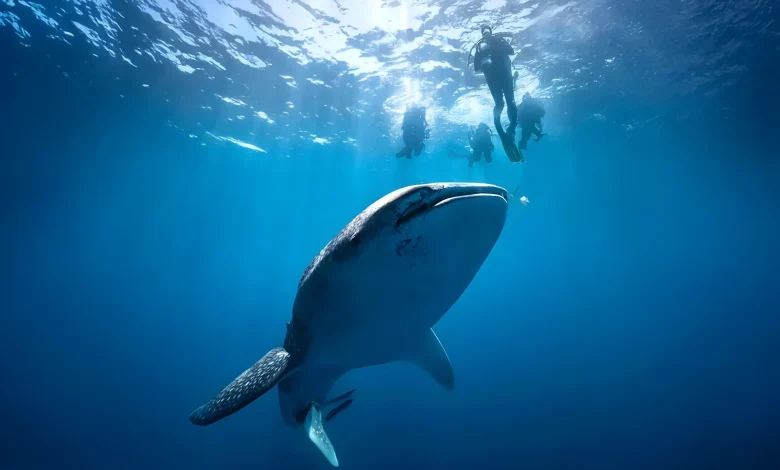
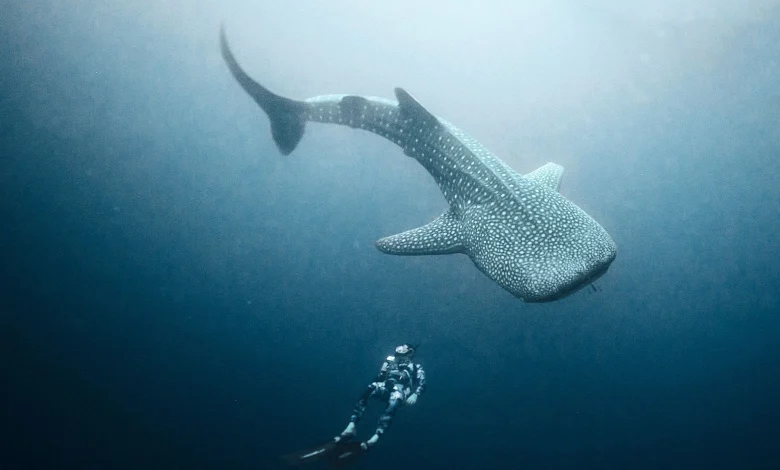
Diving with whale sharks is one of the most awe-inspiring experiences any diver can have. These gentle giants, the largest fish in the ocean, frequent some of the most stunning marine locations on Earth. From vibrant coral reefs to deep offshore atolls, there are countless whale shark spots around the world where you can swim side-by-side with these magnificent creatures. Whether you’re looking for bucket-list places to dive with whale sharks or planning your next dive holiday, this guide covers the best whale shark locations, expert tips, and ideal times to visit.

What are the most iconic places to dive with whale sharks?
Cenderawasih Bay, Indonesia
Cenderawasih Bay is located in the West Papua area in Indonesia. This is one of the most unique whale shark spots in the world. There are resident whale sharks in this spot, so whichever month you travel, you will have the chance to meet these gentle giants of the ocean.

The secluded nature of this spot makes this diving with whale sharks experience even more magical. This is a top choice for anyone looking for a whale shark diving experience in Indonesia.
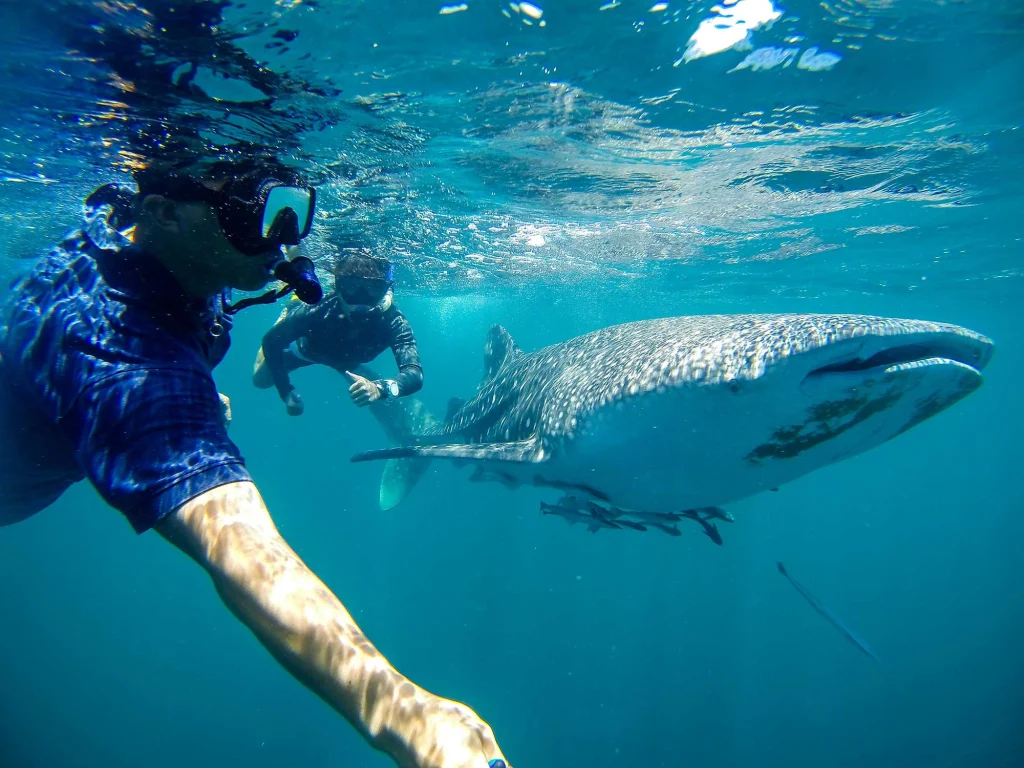
Ningaloo Reef, Australia
Ningaloo Reef is a famous whale shark habitat located off the western coast of Australia. Due to its high importance to the whale shark population, UNESCO has named it a world heritage site.

The peak whale shark watching season is from March to July, when travellers can experience scuba diving with whale sharks. Due to its protected status and calm, clear waters, this is one of the iconic whale shark locations worldwide.
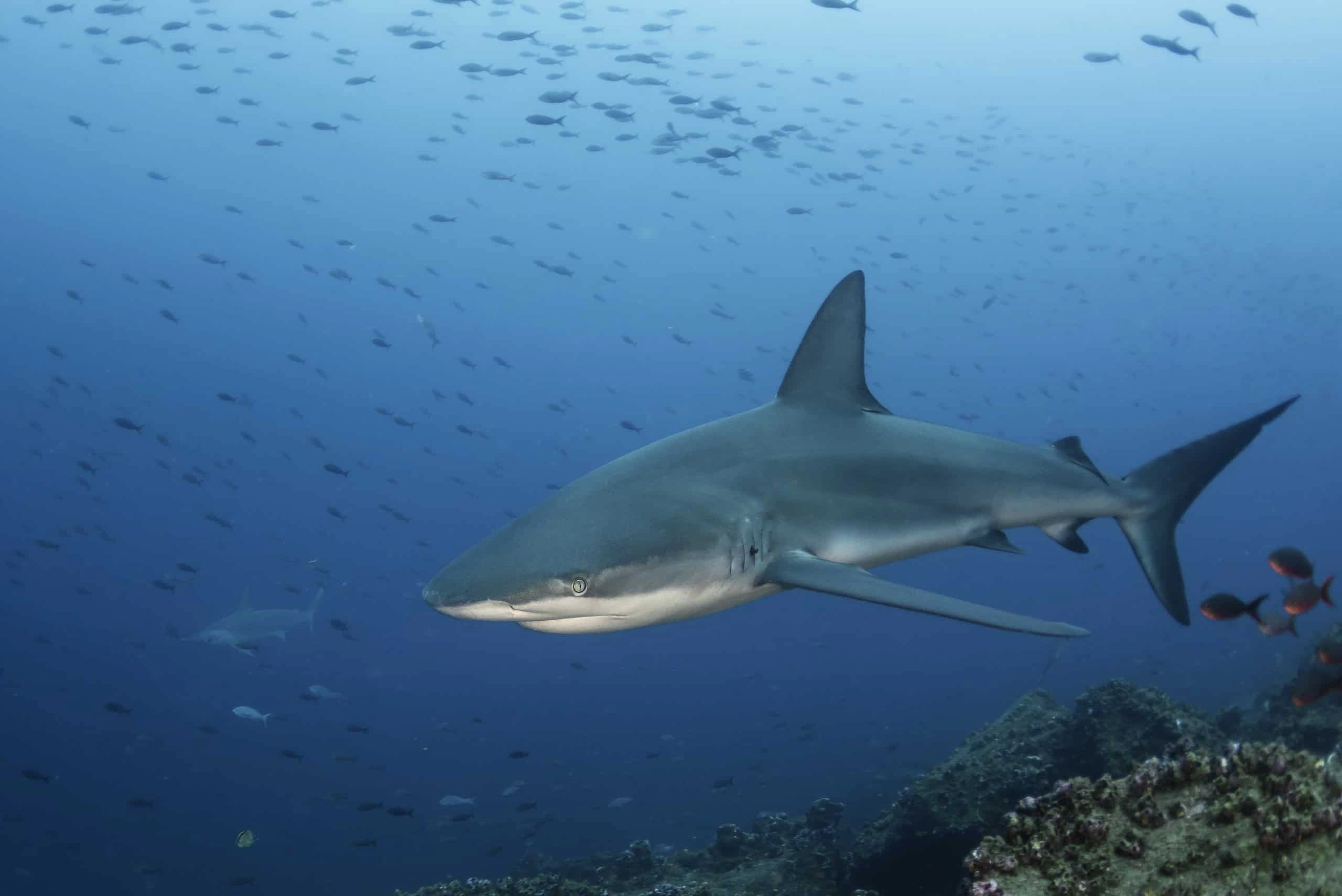
- Have you ever heard of the curious Galapagos sharks? Find out more!
Isla Mujeres, Mexico
Located in the Yucatan peninsula, this diving spot sees the best whale shark sightings from July to September. In the warm summer months that fall in the peninsula, Whale sharks tend to linger just below the waters of the Isla Mujares region, providing great opportunities for travelers to have an unforgettable experience. This is one of the most reliable places to dive with whale sharks and is one of the busiest as well.
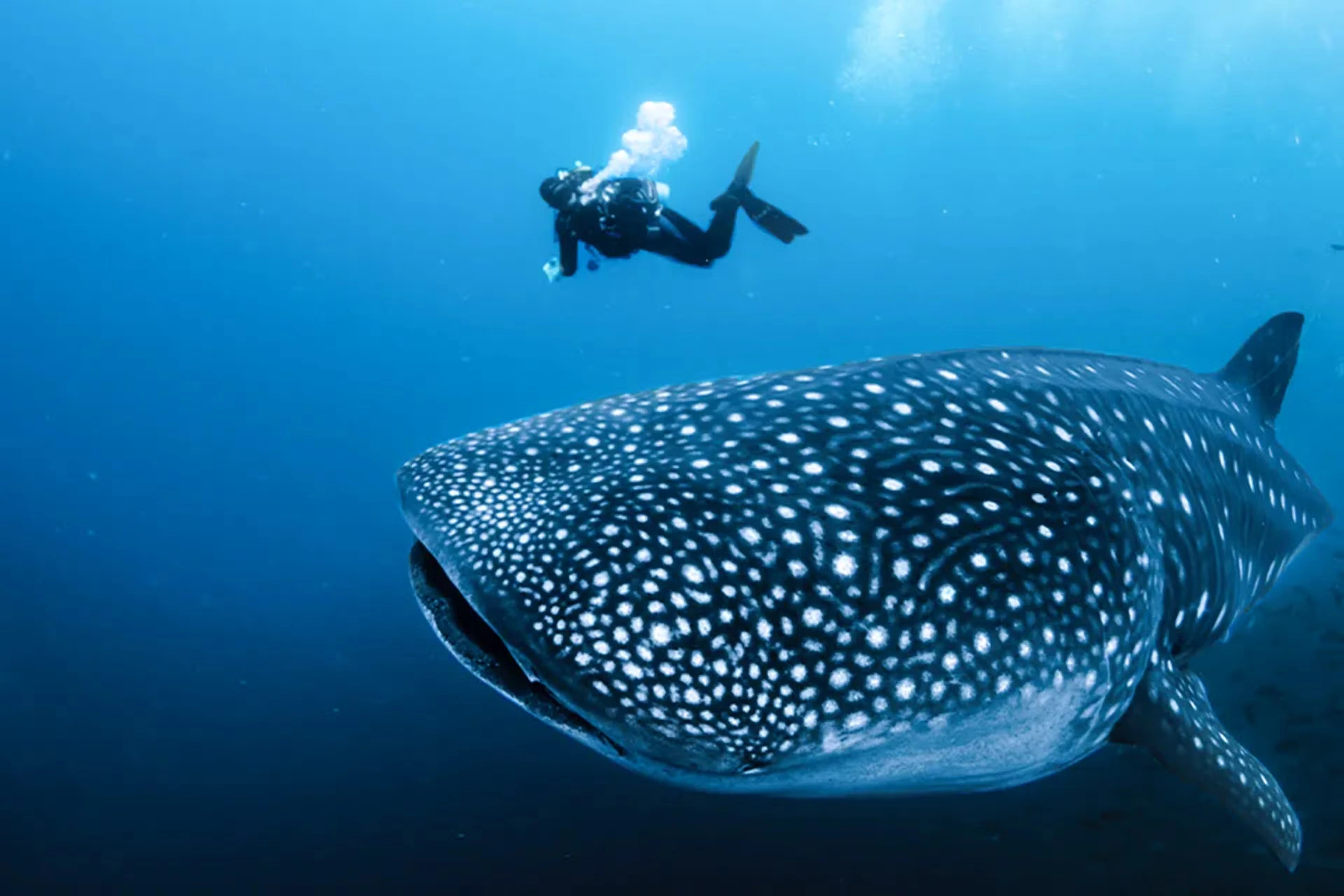
Holbox, Mexico
Holbox is also situated facing the Yucatan peninsula, thus having its best whale shark sightings from July to August. It is less busy than Isla Mujares and allows travellers to experience a quieter whale shark diving tour than Isla Mujares. The calm and warm waters in the Yucatan peninsula during this time make it an ideal destination for beginners to have a whale shark diving experience.
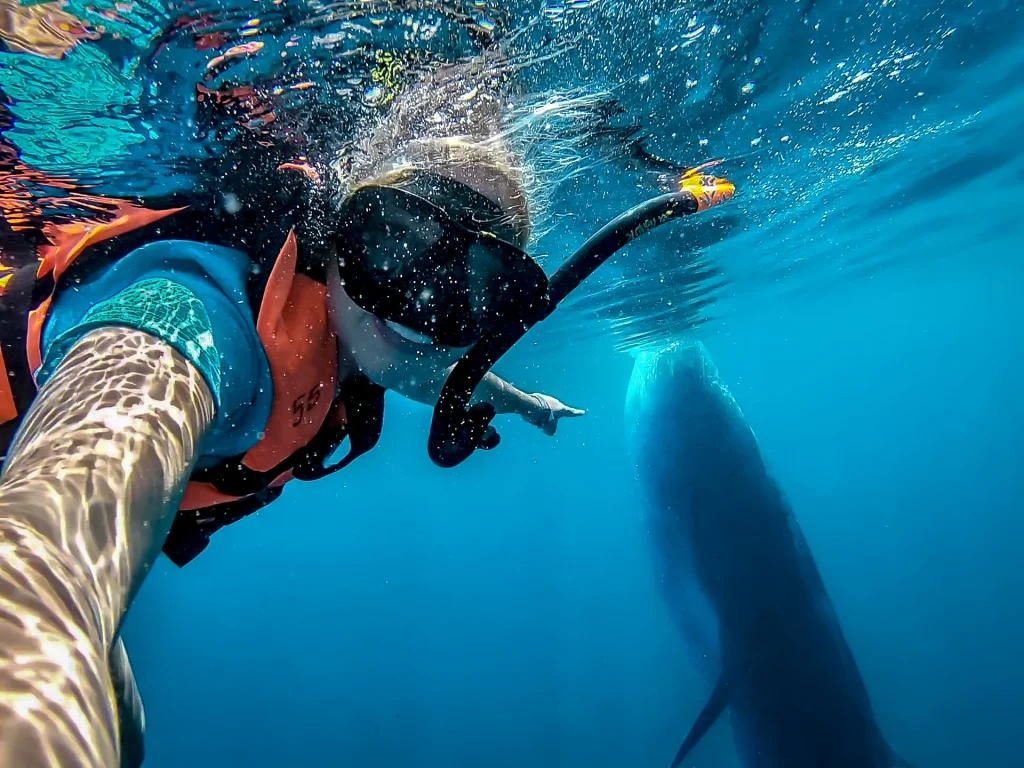
Utila, Honduras
Utila is a whale shark diving spot near the Bay Islands in the Caribbean Sea. It is one of the few whale shark locations in the Carribean Islands where sightings are possible all year round, but the best are seen from February to September.
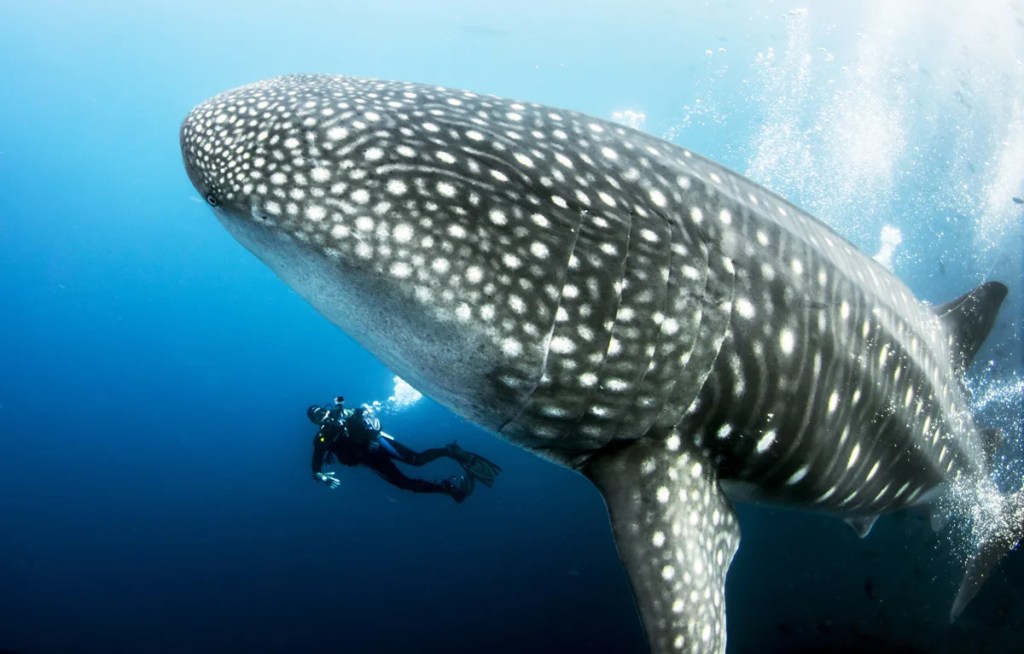
As a diving haven, there are many dining tours that take you to amazing spots in the ocean to interact with these gentle giants. It is also one of the best places for scuba diving with whale sharks for the first time.
Gladden Spit, Belize
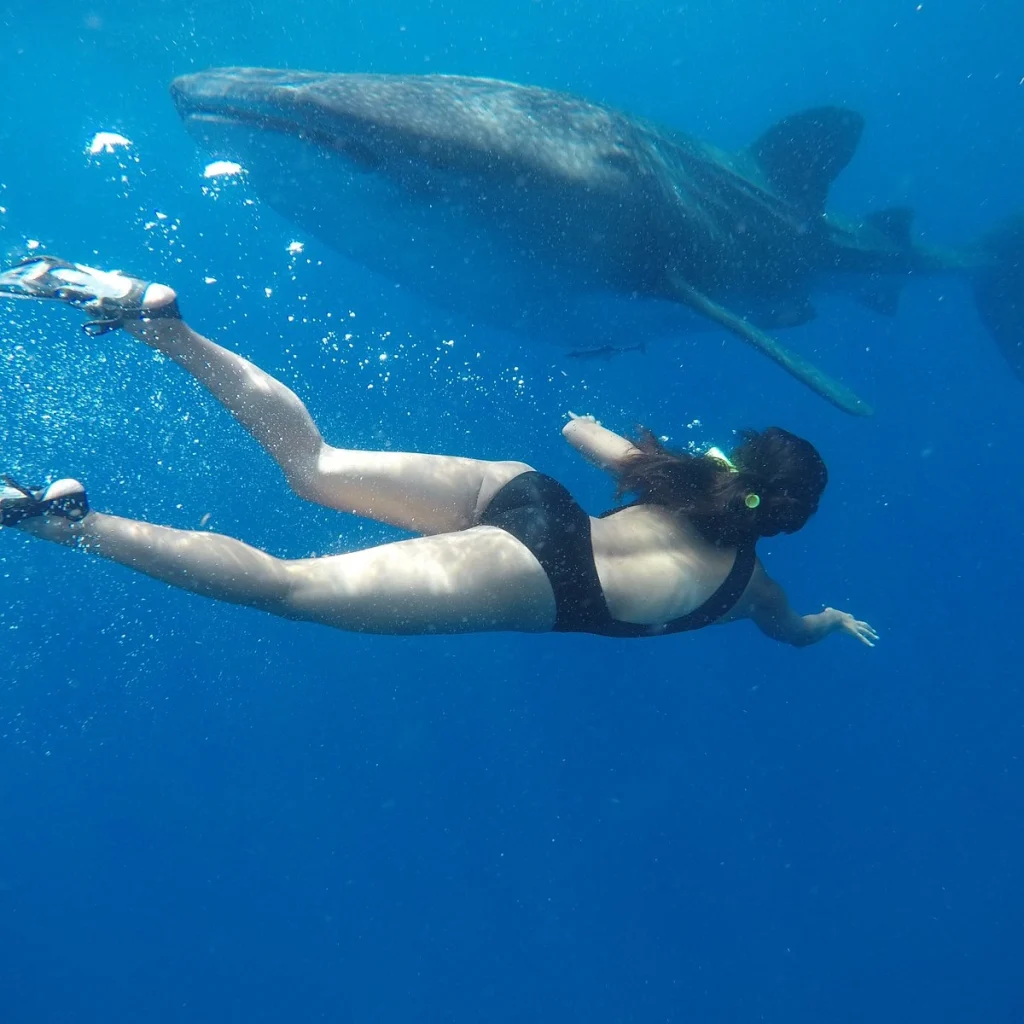
Gladden Spit is located on the Belize Barrier Reef. Whale sharks are spotted year-round, but you can only swim or dive with these creatures from April to June. Whale sharks are mostly drawn to this area during the snapper spawning season, providing ample food for a few months. This is one of the best whale shark diving spots in Central America.

South Ari Atoll, Maldives
The humble South Ari Atolls has its best whale shark spotting time year-round, but the monsoon season, which occurs from May to November and December to April, might affect the sightings. This is one of the best luxury beach gateways in the world. With its clear blue waters and vibrant coral reefs, it is one of the best whale shark diving spots in the Maldives.

Mafia Island, Tanzania
Mafia Island is situated off the coast of Tanzania. Whale sharks are seen from October to February. As this is not one of the ocular destinations for whale shark diving in Africa, you can have a quiet and peaceful whale shark diving experience here. With the clear, warm waters of the Indian Ocean, this is a true gem for diving with whale sharks in East Africa.
Sumbawa, Indonesia
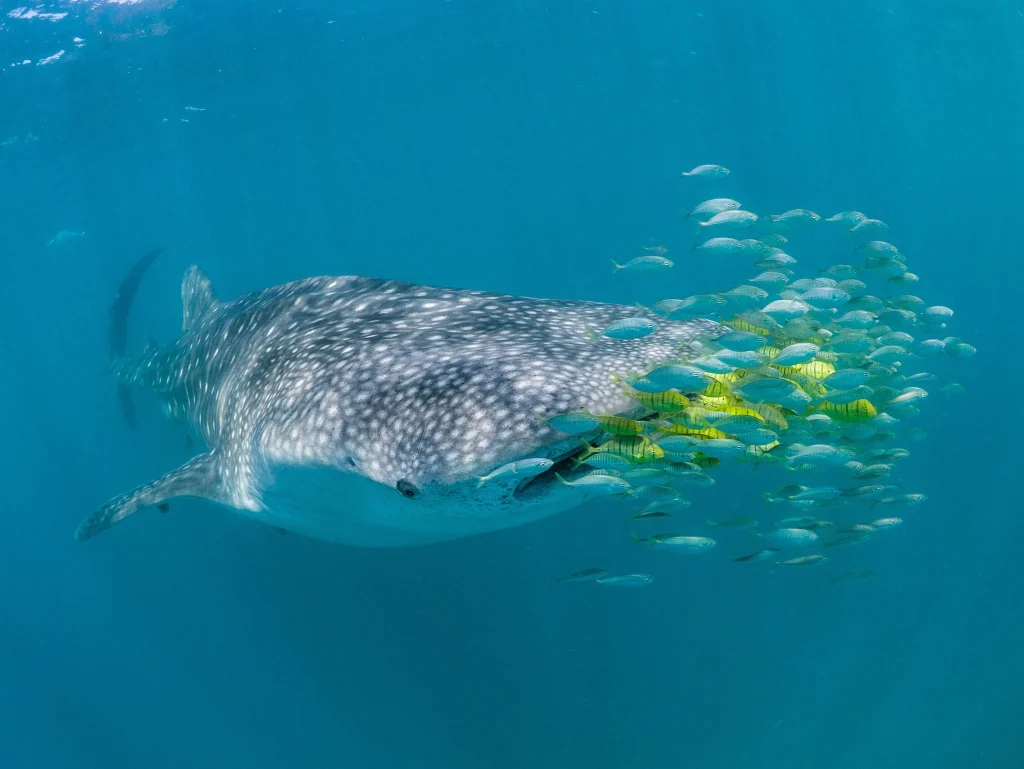
Sumbawa is located west of the Nusa Tenggara region in Indonesia. This lesser-known area has rich marine life diversity. Whale shark sightings are also pretty common in these areas, and they are frequently recorded from May to October.
Tofo Beach, Mozambique
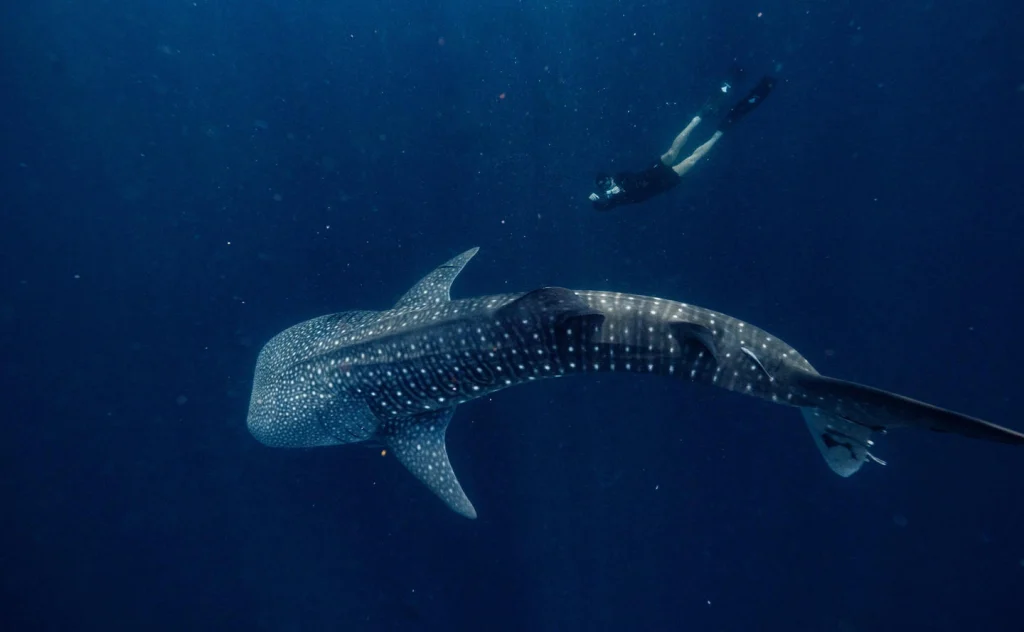
Tofo Beach is located in the southern Mozambique region and offers whale shark sightings from October to March. With its nutrient-rich waters and troika climates, this spot provides ideal conditions for whale sharks to live. There are also frequent sightings of humpback whales and Rays, so if you are wondering about a place to dive with all these marine creatures, Tofo Beach is the place to be.
Djibouti City, Djibouti
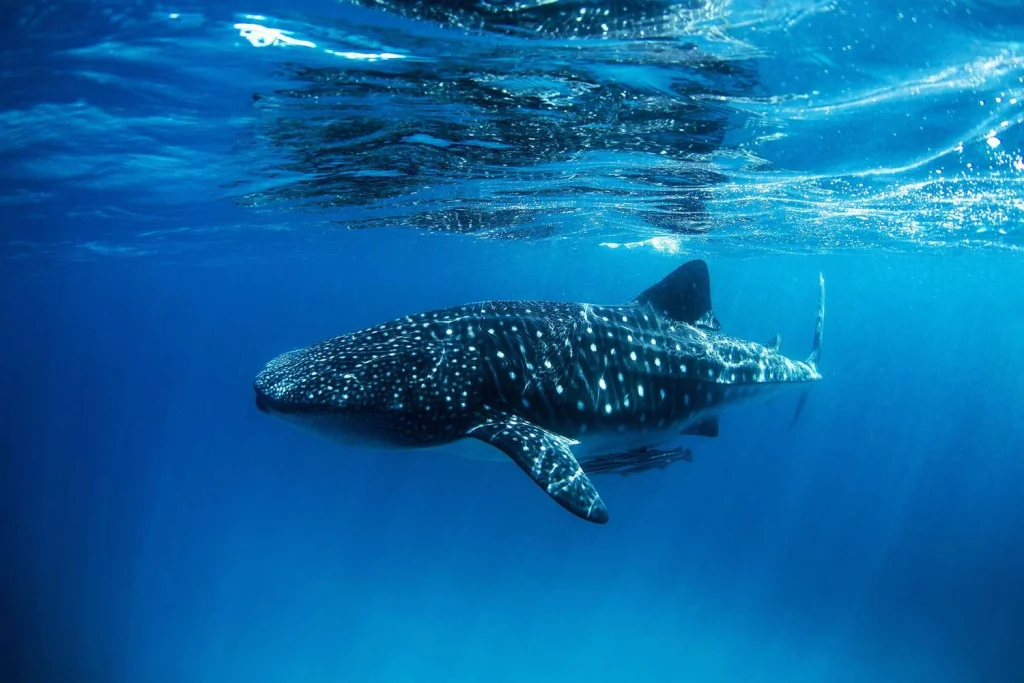
Djibouti is situated in the Horn of Africa and offers the best time from November to February for whale shark sightings. Whale sharks often feed on plankton blooms in the Djibouti Gulf, which offers a serene and calm spot for whale shark diving. If you are looking for a great alternative to whale shark diving in South Africa, this is the place to be.
What should you know before diving with whale sharks?
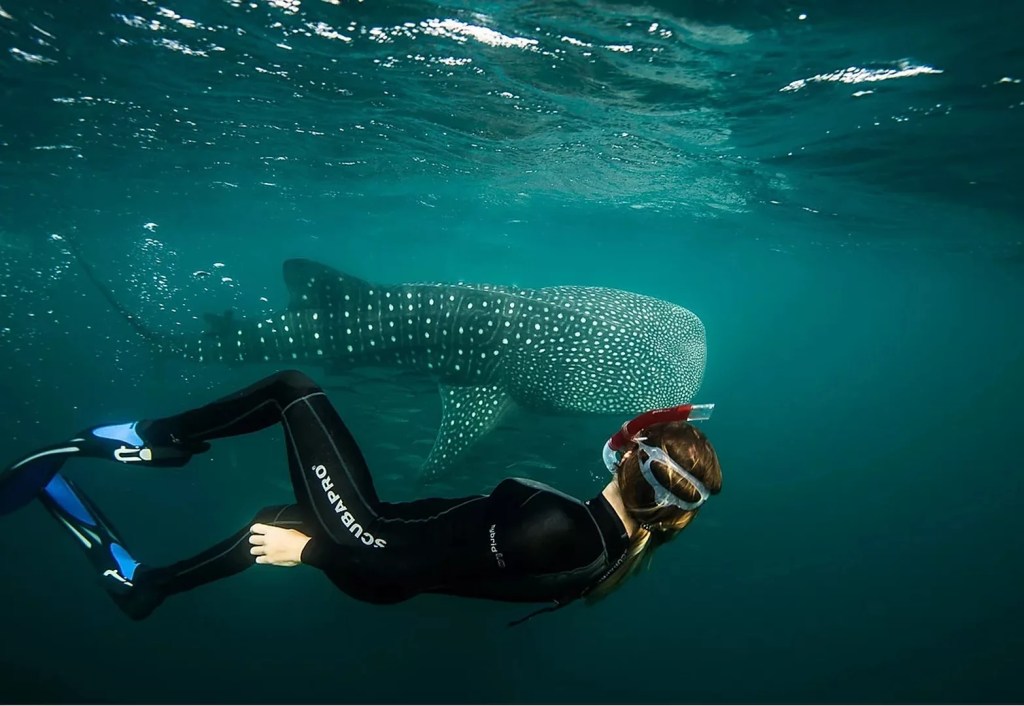
If you are wondering whether whale sharks are dangerous, as an avid diver myself, I can safely say that they are not. Even though they are large creatures, they are just filter feeders and pose no threat to humans. Their spots are unique to themselves; no whale shark has the same pattern of spots or stripes, giving each one a unique identity. These creatures fall into the category of sharks, not mammals.
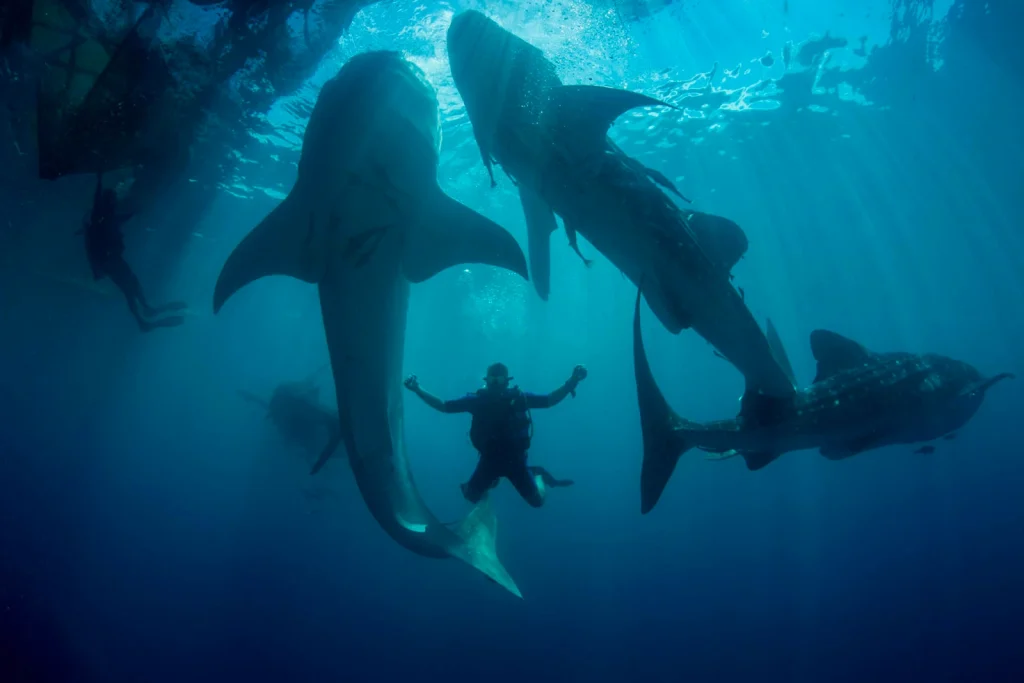
There are only around 100,000 to 200,000 whale sharks left in the world right now. Due to various reasons, the numbers of these gentle creatures have been decreasing rapidly. Sharks are also listed as endangered. These creatures face a very serious problem due to habitat loss, collisions with ships, and illegal fishing practices.

From the atolls of the Maldives to the turquoise shores of Mexico, these whale shark locations offer once-in-a-lifetime opportunities to connect with the ocean’s most majestic giants. Whether you’re planning a trip to Ningaloo or dreaming of diving at Tofo Beach, the world’s best whale shark spots promise unforgettable underwater adventures.