Top 10 Rural Destinations Around the World for a Peaceful Escape

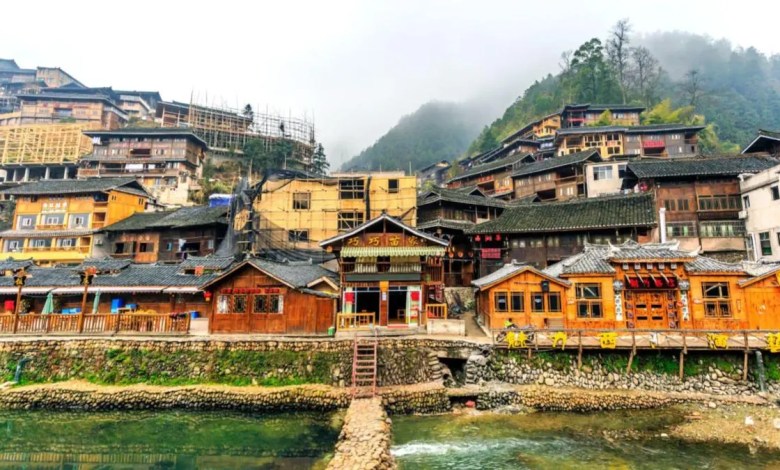
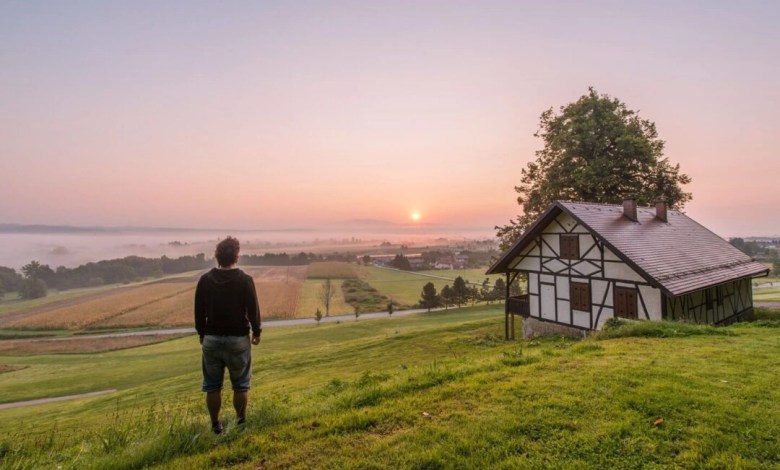



Want to escape the crowds, noise and concrete jungles for a short time? Pack up your bags and head to a rural destination away from crowds and noise. Rural tourism offers a serene alternative that invites you to reconnect with nature, culture and tradition putting aside your digital devices. Whether you’re exploring the countryside, taking a countryside tour or diving into village tourism, here are 10 must-visit rural destinations that promise tranquility, authenticity and charm.
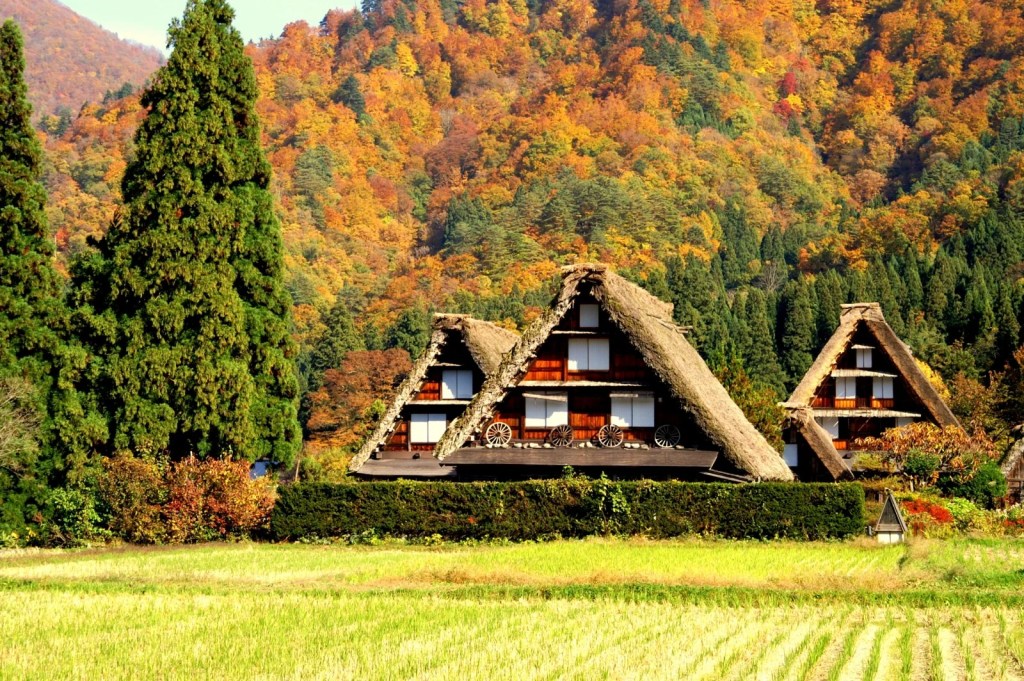
Shirakawa-go, Japan: Gassho-style villages amidst mountains
A UNESCO World Heritage Site, Shirakawa-go is a beautiful village nestled in the Japanese Alps which offers village tourism in a rural destination. Popular for its gassho-zukuri farmhouses, some which are over 250 years old, this countryside destination offers traditional homestays, snowy landscapes in winter and the view of rice paddies swaying in the wind in summer. Rural tourism here is deeply tied to heritage preservation and slow living, placing this village on top of the countryside guide.
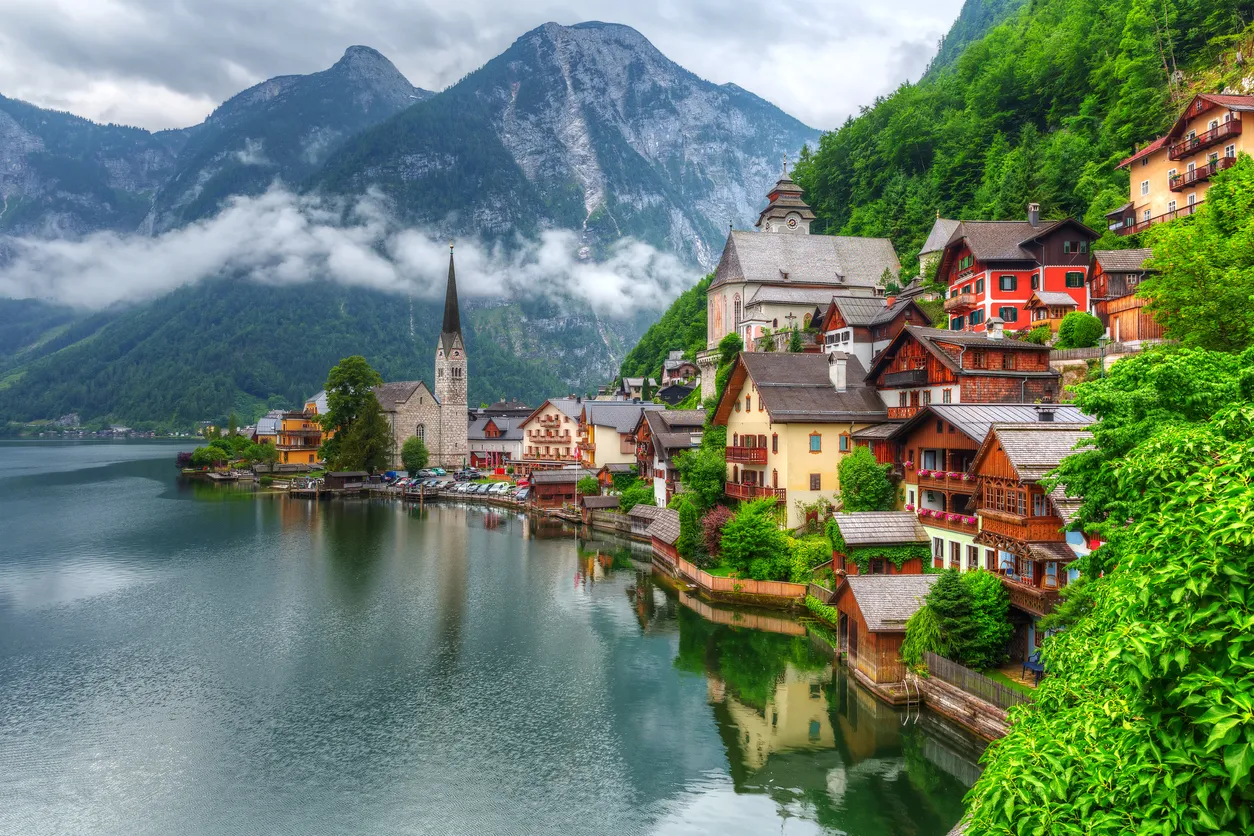
Hallstatt, Austria: Alpine Tranquility and Lakeside Charm
With its pastel coloured houses reflected in a glacial lake, Hallstatt is one of Europe’s most iconic rural tourism destinations ideal for exploring the countryside. Beyond the natural beauty it offers, the town is well-known for salt mine tours, mountain hikes and a calming lakeside atmosphere ideal for those craving a peaceful countryside tour. Include this breathtaking village in your countryside travel itinerary and spend a few days relaxing by the Lake Hallstatt and the surrounding Dachstein Alps.
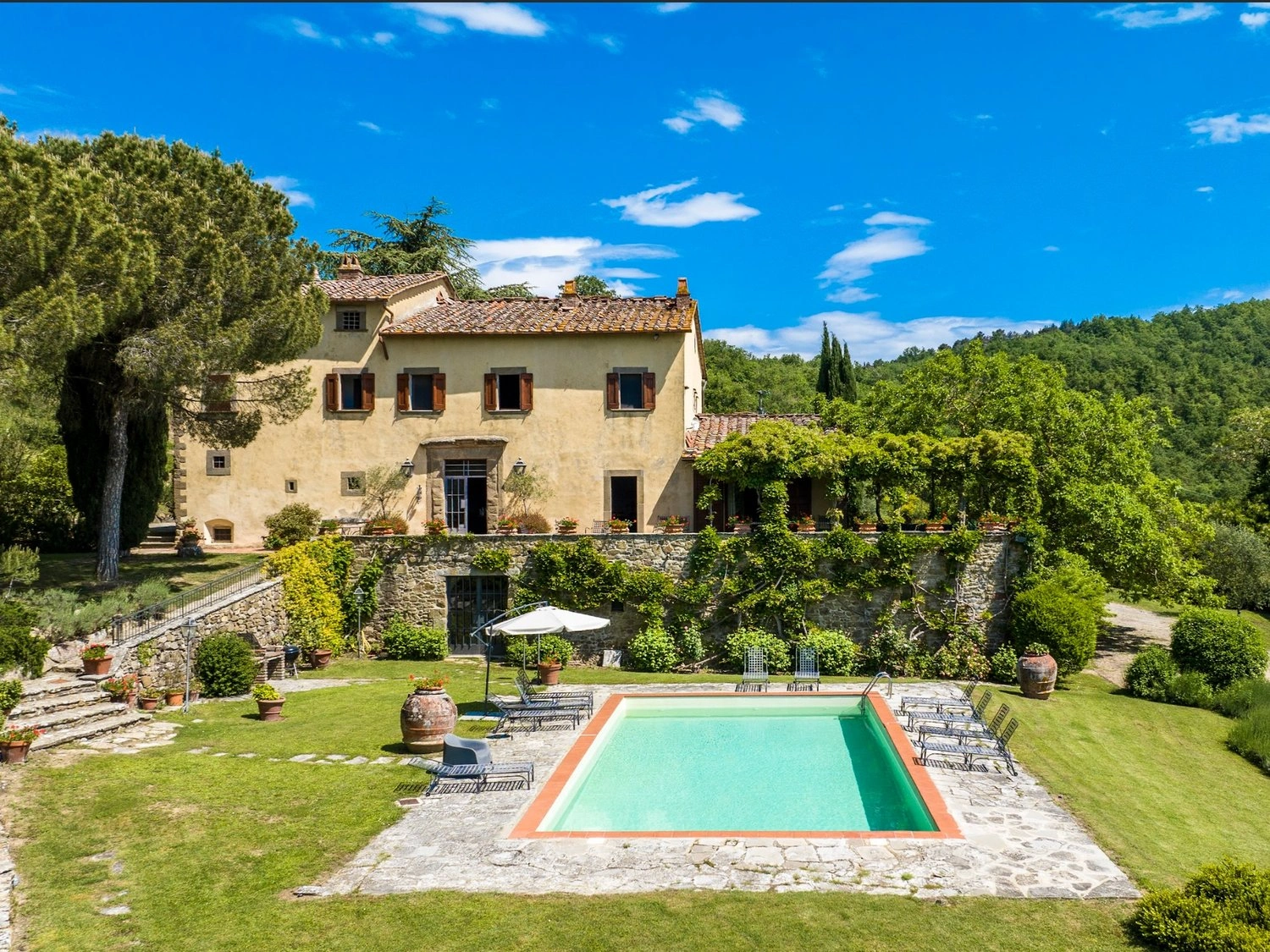
Chianti, Italy: Vineyards, Villas and Tuscan Countryside
Walk through the vineyards that makes one of the finest red wines in the world. Rolling hills, cypress-lined roads, and endless vineyards make Chianti a countryside travel dream. A countryside tour to Chianti which is known as the heart of Tuscany will offer you the views of an amazing landscape dotted with dense vineyards, chestnut forests, oaks, maples, medieval villages, castles and charming colonial farm houses. It is a top destination for agritourism, offering wine tastings, farm-to-table cooking classes and rustic farm stays that define authentic rural tourism. What more can you ask for if you are looking for peaceful getaway?
Cotswolds, England: Quaint Villages and Hills
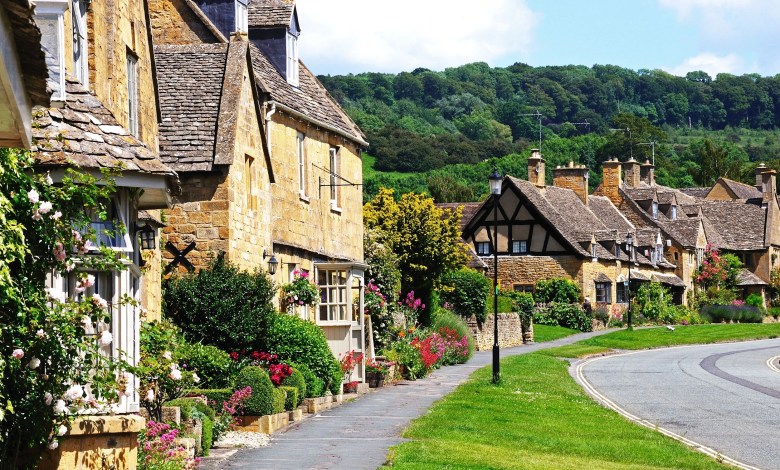
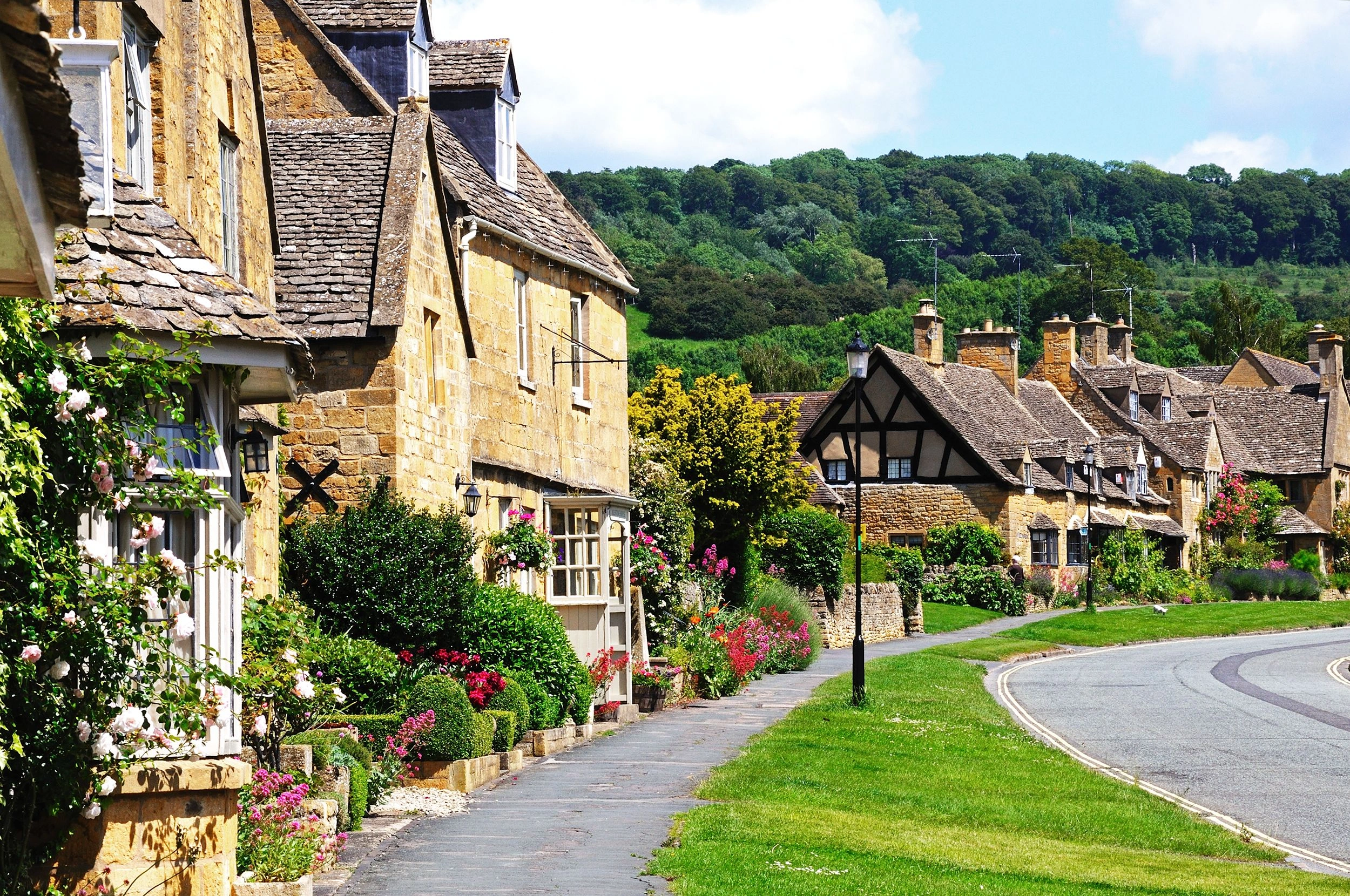
A short break or an extended holiday in this beautiful village will leave you wanting to return as soon as you go home. The Cotswolds offer a blend of historical charm and natural beauty, covering a huge area, almost 800 square miles which runs through five counties – Gloucestershire, Oxfordshire, Warwickshire, Wiltshire and Worcestershire. Honey-stone cottages, antique shops and riverside walking trails make this region a favorite for countryside tours in the UK. It’s an excellent choice for village tourism lovers and those exploring the countryside on foot or by bike. Don’t forget to include this village in your countryside guide.
Wayanad, India: Eco-Retreats and Spice-Scented Air
Set in Kerala’s lush Western Ghats, Wayanad is a haven for nature lovers. With a vast expanse of greenery, misty mountains, meadows and beautiful waterfalls will make you forget all hassle in the city making your digital detox easy. Coffee estates, tribal villages and wildlife sanctuaries make it an emerging hotspot for eco-friendly rural tourism. Explore spice plantations, hike misty trails or stay in a treehouse amid the forest canopy as the spice scented breeze wraps you renewing your soul.

Mendoza, Argentina: Wine Country Beneath the Andes
Famous for Malbec and other red wines, Mendoza combines luxury and authenticity in a rural setting. Called the world capital of Malbec, a countryside tour here will offer you breathtaking views of snowy landscape of Andes Mountains. Boutique vineyards, countryside bike tours and farm-to-glass experiences make it ideal for wine lovers seeking a peaceful escape. Discover unique sceneries and take part in crops, harvest and other types of craft production while you stay here.

Transylvania, Romania: Castles, Folklore and Carpathian Peace
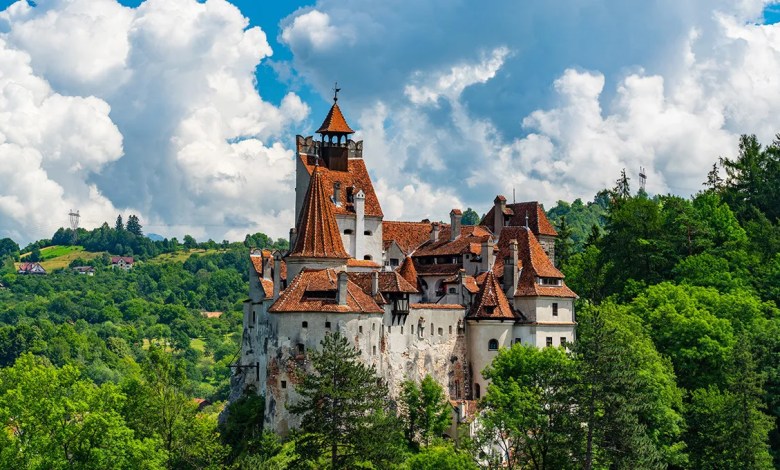
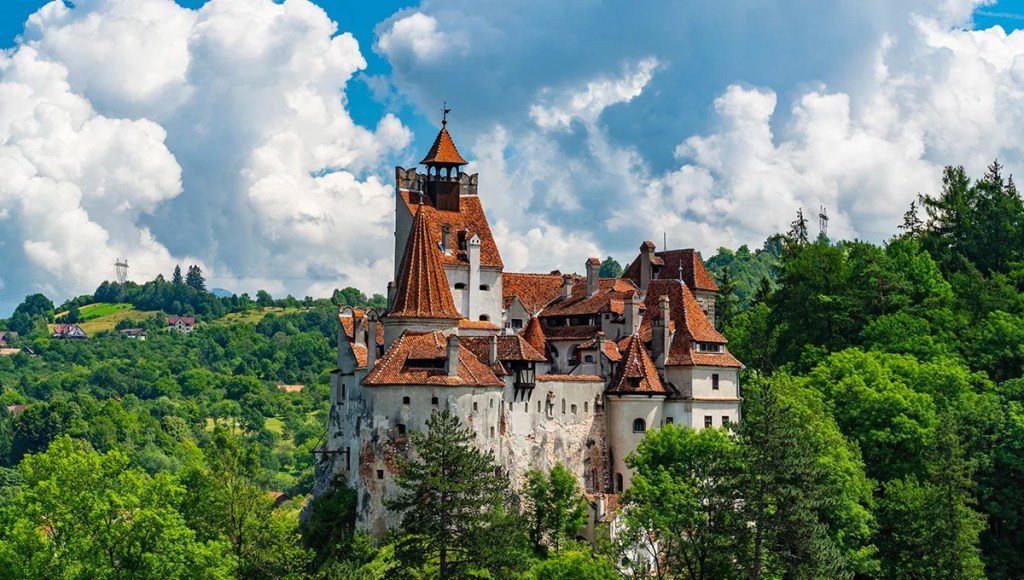
Driven by vampire legends and mysterious appeal, Transylvania has become a popular region for travelers. Located in the vast wilderness of the Carpathian Mountains, the place holds some of the last virgin forest in Europe. It is home to fortified churches, Saxon villages and lush landscapes that packs in lots of charm for the visitors. Horse-drawn carriages, local shepherds and centuries-old customs make it a standout rural tourism destination. Include this magical land of castles, medieval bastions and old-world villages in your countryside guide.
Alentejo, Portugal: Cork Forests and Medieval Towns
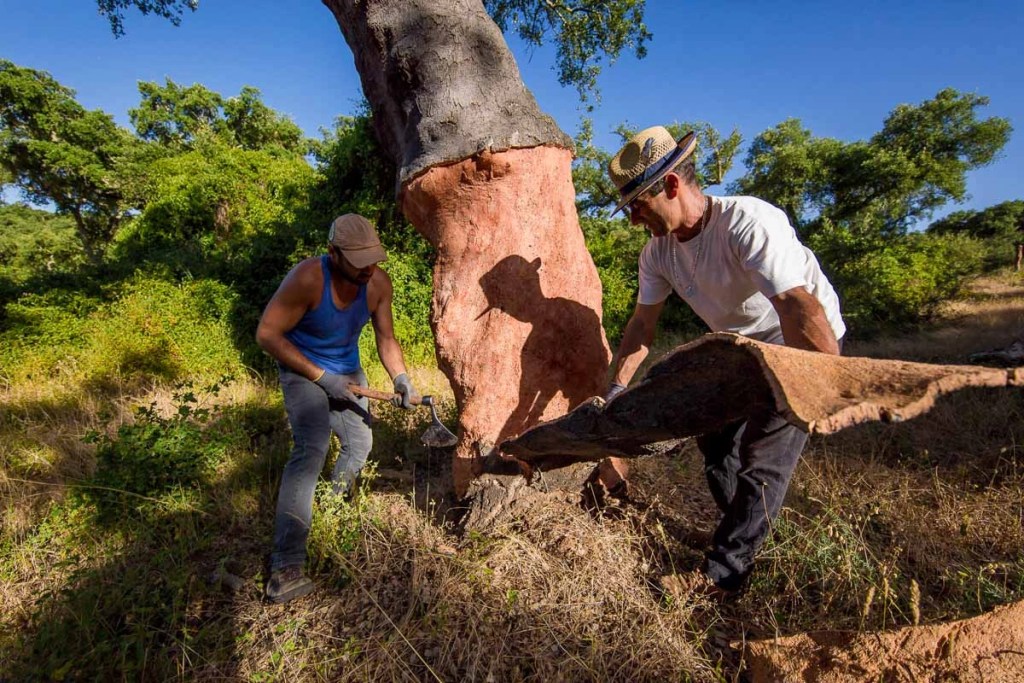
Alentejo comes from the Portuguese “Além” and “Tejo,” or beyond the River Tejo. So, here is a place where you can go beyond your expectations and discover a whole new beautiful world. Vast plains, whitewashed villages, and traditional cuisine define Alentejo. You can join a countryside tour to visit cork farms, dine on local bread and cheese or explore medieval towns like Évora. This slow-paced region is one of Portugal’s best-kept rural secrets. This is one of the best rural destinations that offers lovely beaches, endless plains and unique cuisine where you can live and add savour to your life.
Wanaka, New Zealand: Lakes, Trails and Tranquility
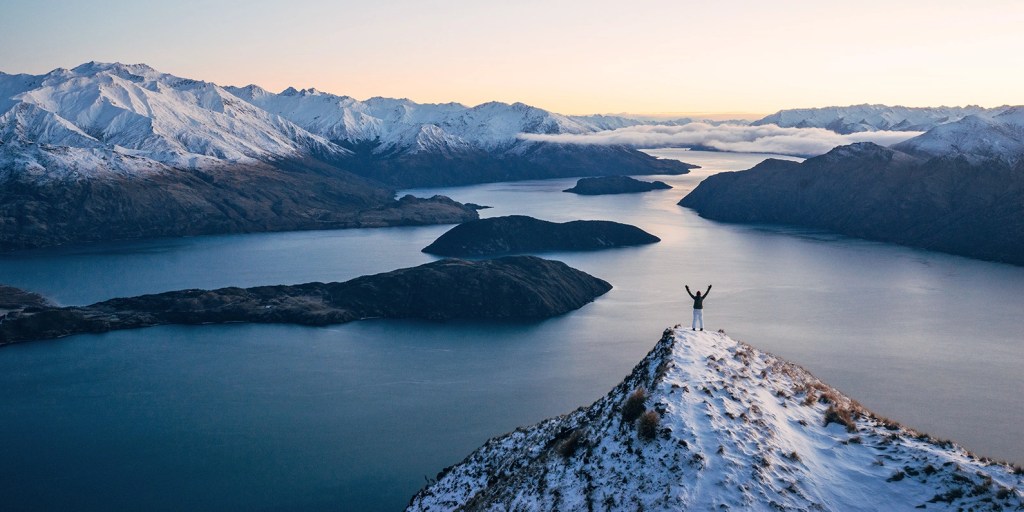
Wanka is a lively town where you can stay with a carefree spirit. Less commercial than Queenstown, Wanaka has serene lakes, stunning mountains and an inviting rural vibe to make it the ultimate base for your holiday. Located in a perfect spot with easy access to outdoors, Wanaka is known for its popular attractions including Roys Peak Track, Blue Pools Track, Mount Aspiring National Park and many more. Perfect for those seeking adventure coupled with peace, it is a top destination for countryside travel in Oceania.
Mekong Delta, Vietnam: Floating Life and Fertile Fields
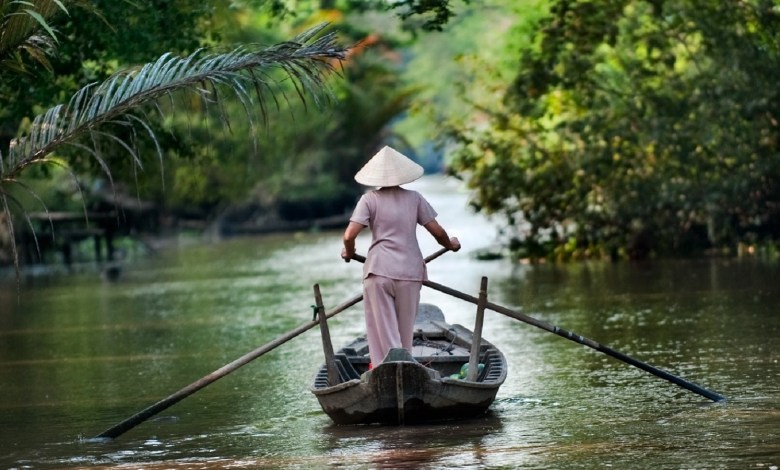
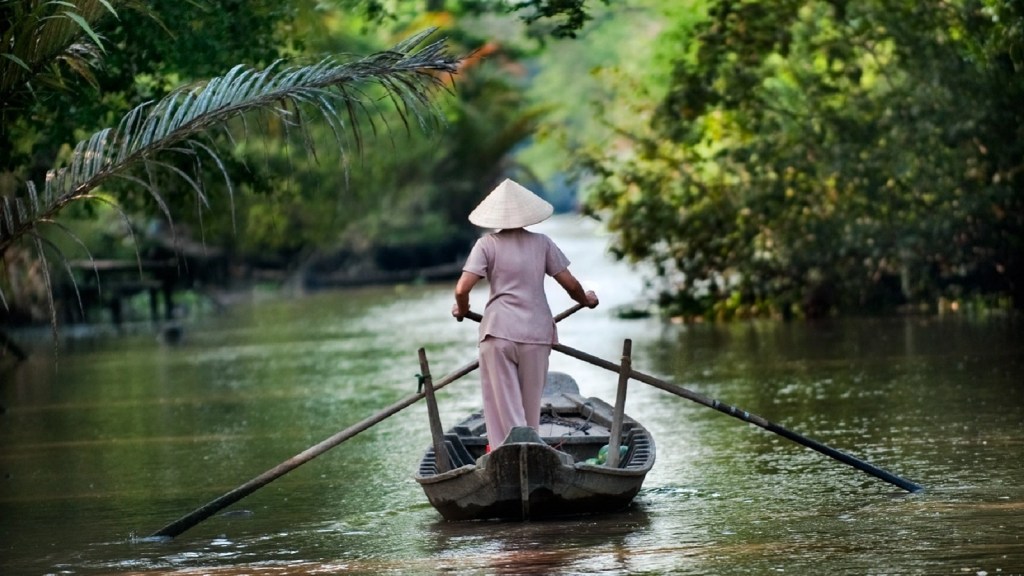
The Mekong Delta is considered to be one of Vietnam’s most mysterious and fascinating destinations. There is no one way to experience it unless you go there. Known as Vietnam’s “rice bowl,” the Mekong Delta is a unique rural experience. During your stay you can visit floating markets, cruise narrow mangrove-lined canals, ride a bicycle through coconut groves and stay in a traditional riverside homestay to get to know the real rural Vietnamese life. Whatever you do, your will be able to make memories that last.
Ready to Escape?
In a world that is caught up in a rat race, rural destinations remind us to slow down and savor the moment. Whether you’re wandering through a Japanese village blanketed in snow, sipping wine beneath the Tuscan sun, or drifting along Vietnam’s Mekong Delta, countryside travel has a way of grounding us and connecting our life with nature. As we forget that we are a part of this very nature, each of these rural tourism destinations pushes us deep into understanding the importance of slow living. They offer stories, simplicity and nourishes the soul. So whether you’re planning your first countryside tour or you’re a seasoned rural explorer, may your next journey take you far from the noise and deep into the heart of the land. Because sometimes, peace isn’t found in a place — it’s found in the pace.